
Lieferung heute & morgen

Qualitätsgarantie

Willkommens-Angebote freischalten: KOSTENLOSE Lieferung | Bis zu 80 % RABATT | Kostenlose 30-Tage-JoyPlus-Testphase
App herunterladen
A reliable cordless drill is the cornerstone of any well-equipped workshop, whether for the occasional DIYer or for daily professional use. But the market is crowded and filled with technical specs that often confuse more than they clarify. Many buyers invest in a tool that either loses performance after a short time or becomes a cost trap due to the hidden expense of incompatible batteries. Before you make a decision, it's crucial to understand the common pitfalls.
Two of the most common problems are:
To make an informed decision based on facts, not marketing promises, you should carefully examine three technical parameters. These determine the real-world performance, durability, and versatility of your tool.
Torque, measured in Newton-metres (Nm), indicates the tool's rotational force. A distinction is made here between "hard" and "soft" joint applications. For furniture assembly, 15–30 Nm is often sufficient. However, for more demanding tasks like drilling into metal or loosening stubborn screws, higher values are necessary. A torque driver or cordless impact wrench with adjustable settings provides the necessary control to avoid damaging materials and screw heads. Especially for a tire changing tool, high torque values of over 200 Nm are crucial.
The voltage, typically 18V in more powerful models, is an indicator of the motor's general power. However, the motor technology is at least as important. A brushless motor works more efficiently, generates less heat, and has a significantly longer lifespan than conventional brushed motors. It converts the battery's energy into power more directly, resulting in longer runtimes and more consistent power delivery.
Pay attention to the battery system's compatibility. If you already own DIY tools from a specific brand, buying a "bare tool" (without a battery and charger) can be a smart move. Models designed, for example, for Makita batteries offer great flexibility and save money. For beginners, a cordless drill set that includes multiple batteries, a charger, and a selection of bits can be an economical solution.
Here are a few recommendations tailored to specific user profiles and their needs.
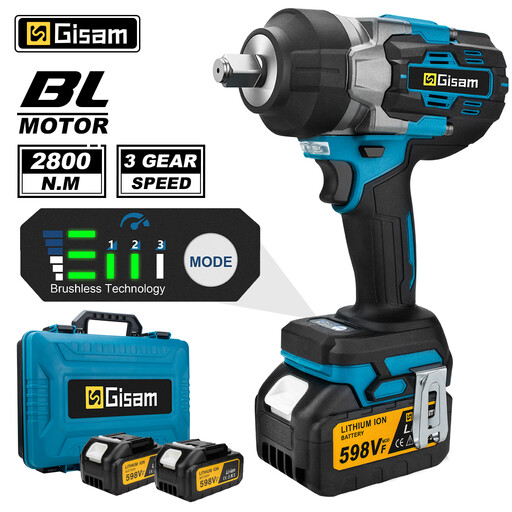
Why This Fits Their Persona: Ideal for users who need maximum power for changing tires, heavy-duty assembly, or on the construction site. This tool is designed for high-torque requirements.
With a stated maximum torque of 2800 Nm, this model bypasses the trap of underpowered tools. It delivers the force required for demanding tasks like loosening lug nuts.
Brushless motor for high efficiency and durability. Compatibility with common Makita 18V batteries (BL1830/40/50 series) offers flexibility.
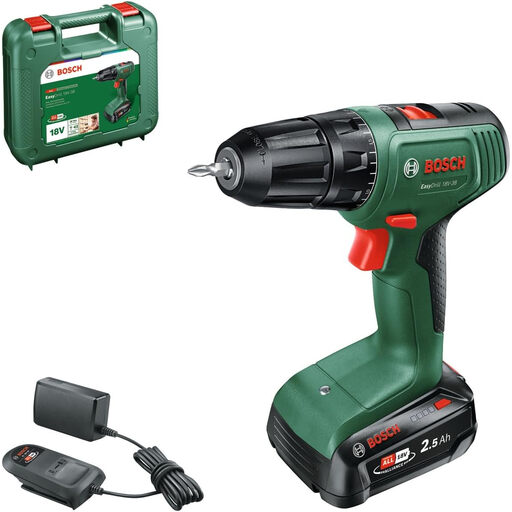
Why This Fits Their Persona: A versatile solution for homeowners and DIY enthusiasts who need a reliable tool for assembly, repairs, and light drilling in wood, metal, and plastic.
As part of the POWER FOR ALL ALLIANCE, this set sidesteps the battery trap. The 18V battery is compatible with numerous tools from different brands, which simplifies and reduces the cost of future purchases.
2-speed gearbox and 20 torque settings allow for precise adjustments for screwing and drilling tasks. The integrated LED light improves visibility in dark work areas.
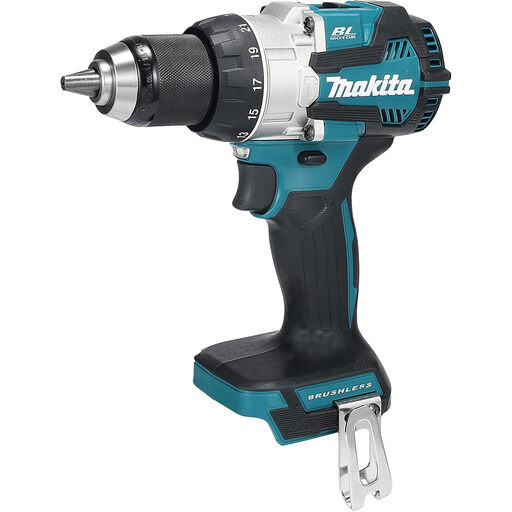
Why This Fits Their Persona: Perfect for tradespeople and serious DIYers who have already invested in the Makita 18V LXT battery system and want to expand their tool collection with a powerful cordless hammer drill.
Since this device is sold as a "bare tool" version without a battery and charger, you avoid purchasing redundant components. You use your existing batteries, saving money directly.
The XPT (eXtreme Protection Technology) protects the tool from dust and water spray, increasing its lifespan under harsh conditions. The brushless motor ensures professional-grade performance.
We have compiled a complete, up-to-date list of products that fully meet these strict selection criteria and all relevant safety standards.
For most household tasks, like assembling furniture or mounting shelves, a cordless drill with an adjustable torque of up to 30 Nm is generally sufficient. For drilling into harder materials like metal or for driving large-diameter screws, you should consider a model with 40 Nm or more.
A brushless motor has no carbon brushes that can wear out. This leads to several advantages: