Spontaneous park photographers
If you want to photograph dewdrops while out and about without changing lenses, a compact camera with a dedicated close-up mode could be a good fit. OM SYSTEM describes a microscope macro mode for the Tough TG-7.


For spontaneous close-ups without changing lenses, a compact camera with a dedicated macro mode is likely to suit you better. If you want to frame tiny droplets precisely and have more room in front of the lens, a system camera with a suitable macro lens offers greater flexibility. Magnification and working distance matter more than minimum focus distance alone. OM SYSTEM lists close-up photography down to 1 cm and in-camera Focus Stacking for the Tough TG-7; Sony lists a working distance of around 13 cm at minimum focus distance for its FE 90mm F2.8 Macro G OSS.
If you want to photograph dewdrops while out and about without changing lenses, a compact camera with a dedicated close-up mode could be a good fit. OM SYSTEM describes a microscope macro mode for the Tough TG-7.
If you want to capture tiny droplets at a larger scale and choose a lens and working distance to suit, consider a system camera with a compatible macro lens. Nikon and Sony both list a 1:1 magnification ratio for their respective macro lenses.
If you want to capture several planes of focus in a droplet that is as still as possible, check which focus-bracketing features the specific camera model offers. OM SYSTEM describes Focus Stacking for the TG-7; Nikon highlights the importance of keeping the camera steady for macro photography.
A good fit if: you want to get close to accessible droplets in the park without changing lenses. OM SYSTEM lists close-up photography down to 1 cm and in-camera Focus Stacking for the Tough TG-7.
Trade-off: The lens is fixed, and getting very close can make it harder to position the camera and light.
A good fit if: you want an interchangeable-lens system and are looking for a 1:1 macro lens for small subjects. Nikon lists a working distance of around 5 cm at the closest focusing distance for the NIKKOR Z MC 50mm f/2.8.
Trade-off: The camera and macro lens need to be compatible. For the Panasonic H-HS030, the 0.105 m closest focusing distance is not the distance between the front of the lens and the subject.
A good fit if: you want more space in front of the lens for composition and lighting. Sony lists a working distance of around 13 cm at minimum focus distance for the FE 90mm F2.8 Macro G OSS.
Trade-off: A macro lens is an additional component; documented protection for the lens does not automatically mean the camera body is protected too.
| Buying priority | What to check before buying | Who is it important for? |
|---|---|---|
| Close-ups without changing lenses | Check for a dedicated macro mode and a practical position from which to take the shot. | If I want to get close to a droplet spontaneously while out walking, a straightforward setup matters to me. Around 33% of consumers have this as their main priority. |
| Capturing tiny droplets at a larger scale | Compare magnification and working distance at the desired magnification. | If you want to make tiny droplets look larger while allowing for space in front of the lens, these specifications deserve particular attention. Around 25% of consumers prioritise detail magnification and working distance. |
| Capturing more planes of focus | Check whether the model offers focus bracketing or in-camera Focus Stacking. | If I want to show several planes of focus in a droplet that is as still as possible, the specific focus feature is crucial. Around 25% of consumers prioritise greater depth of field. |
| Protection for damp walks | Check the protection rating for the exact camera body and lens separately. | When there’s dew and wet grass around, I want to know what protection the whole setup I’m carrying offers. Around 17% of consumers prioritise documented protection against moisture. |
A standard zoom does not necessarily replace a suitable macro lens. Check what’s included and the magnification ratio of the actual lens on offer before choosing the kit for close-up photography.
With a system camera, you may need to buy a compatible macro lens separately.
Minimum focus distance is measured from the sensor plane; working distance is the space between the subject and the front of the lens. Compare both figures for the specific lens and consider whether there’s enough room for your preferred angle and lighting.
A steady camera helps, but it won’t prevent a plant from moving between shots in the same way. Try focus bracketing on droplets that are as still as possible, and check whether the model combines the shots in-camera.
The Tough TG-7 is a compact camera with a fixed lens and a microscope macro mode.
The EOS R50 is an example of an RF system camera that can be paired with a compatible RF macro lens.
Z system cameras can be paired with the NIKKOR Z MC 50mm f/2.8 for macro photography.
The E-mount α6700 can be paired with the FE 90mm F2.8 Macro G OSS.
The LUMIX G 30mm F2.8 Macro H-HS030 is a 1:1 macro option for compatible Micro Four Thirds cameras.
The Joybuy products below are action cameras. Before buying, check whether the focus range and shooting mode of each model are suitable for close-ups of dewdrops.
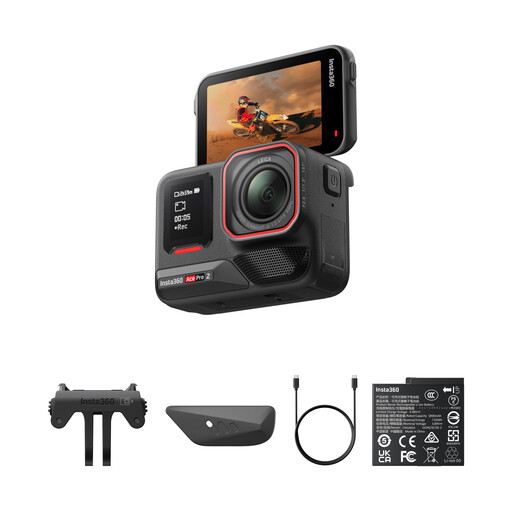 No image available
If you’re considering an action camera for close-ups, check first whether its focus range is suitable for tiny dewdrops.
8K; 1/1.3-inch sensor; bundle with two batteries; described as waterproof.
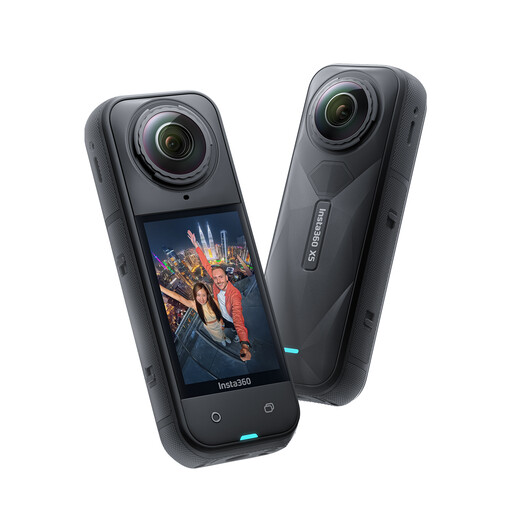 No image available
If you’re looking for a 360° action camera for a walk in the park, also check its focus range at short subject distances when photographing dewdrops.
8K; 360°; interchangeable lens; stated battery life: 3 hours; stabilisation.
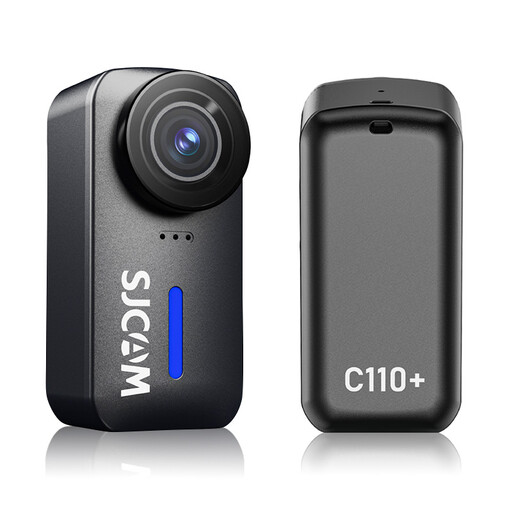 No image available
To decide whether this action camera can photograph dewdrops at close range, check the focus range of the specific model.
Gyro stabilisation; 170° field of view; f/1.8 aperture; stated recording time: 120 minutes; waterproof to 30 m with housing; 6.4 × 3.1 × 3.3 cm; 20 MP photos.
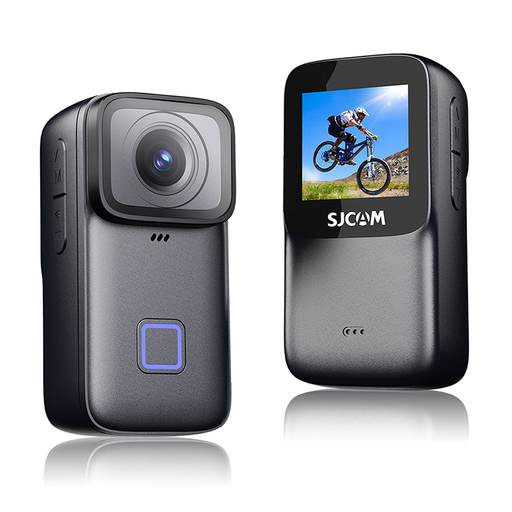 No image available
If you’re considering a compact action camera, check whether it can focus at the short distance needed for dewdrops.
4K; 6-axis EIS stabilisation; 1.3-inch touchscreen; stated recording time: 95 minutes; described as waterproof to 5 m without a housing and 40 m with a housing; 6.8 × 3.4 × 2.7 cm; 20 MP photos.
 No image available
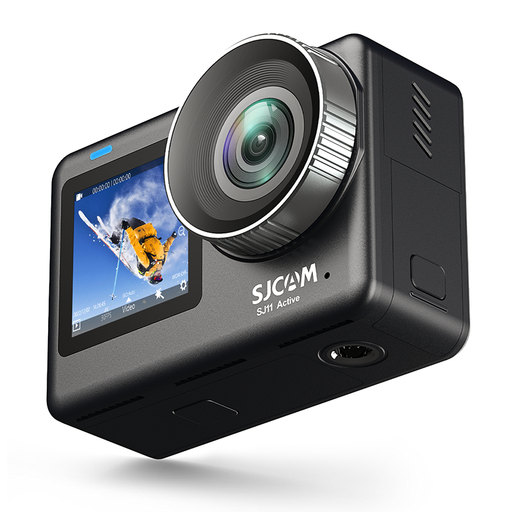
If you’re looking for an action camera for the park, check the model’s focus range before using it for close-ups.
4K video at 30 fps; 6-axis EIS stabilisation; 2.33-inch touchscreen and 1.3-inch selfie display; stated battery life: 100 minutes; described as waterproof to 5 m without a housing and 30 m with a housing; 20 MP photos.
No. Also compare the maximum magnification ratio and working distance: minimum focus distance is measured from the sensor plane, while working distance is measured from the front of the lens. For example, Sony lists a minimum focus distance of 28 cm and a working distance of around 13 cm for its 90 mm macro lens.
Keep the camera steady and start by checking the focus point and aperture. If your subject is still, focus bracketing can capture several planes of focus; check whether the specific model also combines the shots in-camera. OM SYSTEM describes focus bracketing and in-camera Focus Stacking for the TG-7.
Allow for a macro lens that fits the camera mount, and check whether you need any other accessories for the way you plan to shoot. In Germany, the seller’s statutory liability for defects is separate from a voluntary manufacturer’s warranty; the Verbraucherzentrale says new goods generally come with two years’ statutory protection from the date of delivery.
Not as a general rule. Section 39(1) of the Federal Nature Conservation Act prohibits, among other things, removing wild plants from their location without good reason or devastating their populations; exceptions have their own conditions. This does not amount to a nationwide permission to take photographs, nor to a general ban on photography. Local rules may also apply in the specific park.