What should you look for when buying?
First, compare how large you want the dewdrop to appear and how close you can get to your subject. Then consider the weather protection offered by the camera body and lens, and whether the camera is also suitable for wider woodland views.
Rugged compact camera with a close-up mode
A good fit if: You want to take photos on damp paths without changing lenses and get close to dewdrops that are within reach. OM SYSTEM lists a microscope mode on the TG-7, with focusing from 1 cm; Ricoh Imaging Europe describes the WG-8 as having a built-in ring light for close-up subjects.
Trade-off: With a fixed lens, you cannot choose a different working distance for macro shots later. A short minimum focusing distance alone does not prove that the camera offers 1:1 magnification or that you can photograph a subject without casting a shadow over it.
Interchangeable-lens camera with a macro lens
A good fit if: You want small dewdrops to fill the frame, or you’d like to choose the working distance by selecting a lens. OM SYSTEM lists 1:1 magnification for the separately available M.Zuiko Digital ED 60mm F2.8 Macro; Nikon also lists 1:1 for the NIKKOR Z MC 50 mm 1:2.8.
Trade-off: You need to consider the camera body and compatible lens together. OM SYSTEM’s protection ratings for the camera body do not automatically apply to the lens; when photographing plants that move, a longer exposure caused by stopping down further can be a disadvantage.
Interchangeable-lens camera with a standard zoom
A good fit if: Woodland views and larger plant details are your priority, and you want to keep the option of adding a macro lens later. According to Canon, the EOS R50 kit includes an RF-S 18–45 mm lens.
Trade-off: Canon lists a maximum magnification of 0.16x for this zoom at 45 mm with autofocus. This is not the same as the magnification offered by a 1:1 macro lens.
| Priority |
What to check when buying |
Who it matters most to |
| How large the dewdrop appears in the frame |
Compare the maximum magnification and actual working distance of the specific lens or close-up mode. Sony distinguishes the working distance between the front of the lens and the subject from the minimum focusing distance measured from the sensor plane. |
If I want individual dewdrops to appear large, I check these figures rather than just the minimum focusing distance. Around 36% of consumers pay particular attention to capturing small dewdrop details. |
| Carrying the camera in wet weather |
Check the protection ratings for the specific camera body and, with interchangeable-lens cameras, the lens you’ll be using too. OM SYSTEM lists a microscope mode on the TG-7, with focusing from 1 cm. |
If I want to take photos on a damp woodland path without changing lenses, having the camera ready to hand is essential. Around 29% of consumers prioritise weather suitability and ease of carrying. |
| Sharpness in wind and low light |
Check manual focusing, aperture control and, where relevant, focus stacking for the specific camera-and-lens system. Canon Academy notes that movement can cause motion blur in macro photography. |
If I want to control sharpness precisely when photographing small or slightly moving subjects, I also consider the shutter speed. Around 21% of consumers particularly value being able to control sharpness. |
| Woodland views and system size |
Check what’s included, that the mount is compatible and the features of the lens actually supplied. Canon lists 0.16x magnification for the RF-S 18–45 mm at 45 mm with autofocus; OM SYSTEM’s 1:1 macro lens is sold separately. |
If I want to photograph both woodland views and larger details while keeping my kit manageable, I consider the set as a whole. Around 14% of consumers place particular importance on versatility and the size of the system. |
Joybuy products
The Joybuy products below are cameras for taking photos and videos. Before buying, check the close-focusing ability, magnification and working distance to see whether they’re suitable for photographing dewdrops.
 Image unavailable
DJI Osmo Pocket 4 Standard Combo
Before buying, check whether the close-focusing ability and working distance are suitable for photographing dewdrops.
Listed in the product name: 1″ CMOS, 4K/240fps, 3-axis stabilisation, 2× lossless zoom, 107GB of built-in storage and a rotating 2″ screen.
View at Joybuy
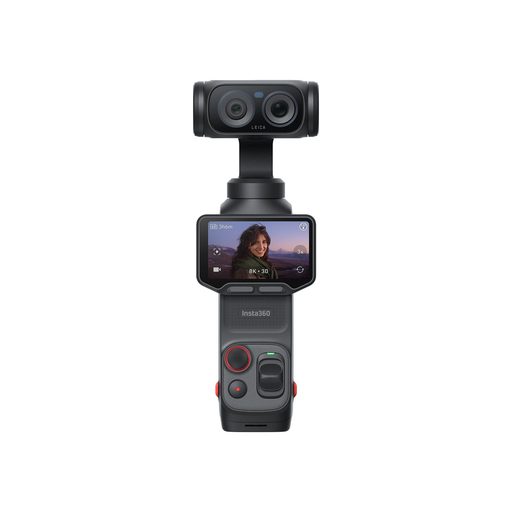 Image unavailable
Insta360 Luna Ultra Standard Bundle Cosmic Black
Before buying, check whether the close-focusing ability and working distance are suitable for individual dewdrops.
View at Joybuy
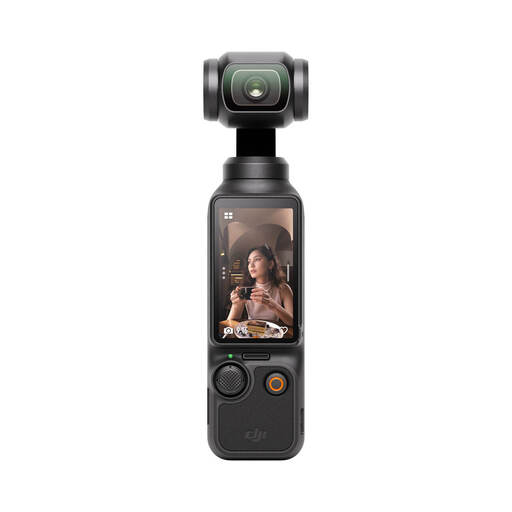 Image unavailable
DJI Osmo Pocket 3
For close-up shots of dewdrops, check whether the close-focusing ability and working distance are suitable for your subject.
Listed in the product name: 1-inch CMOS sensor, 4K/120fps, 3-axis stabilisation and a rotating 2-inch touchscreen.
View at Joybuy
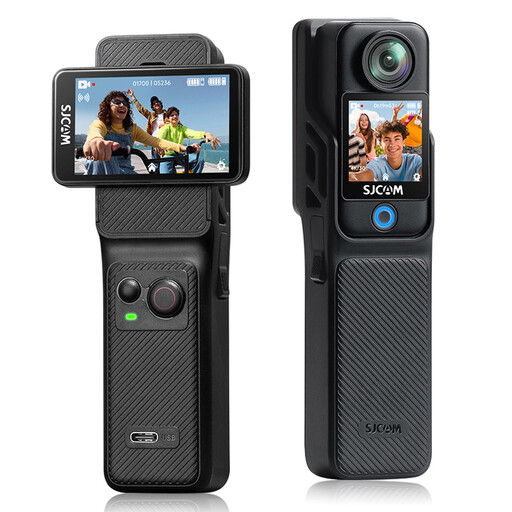 Image unavailable
SJCAM C400 4K Action Camera
Before buying, check specifically whether the close-focusing ability and working distance will give you the dewdrop shot you want.
Listed in the product name: 4K, 6-axis EIS, 2.29-inch display, 16MP photos, 154° wide-angle lens and waterproof to 30 m with the housing.
View at Joybuy
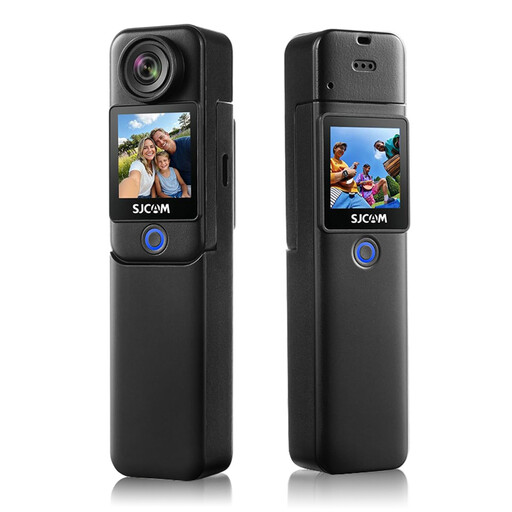 Image unavailable
SJCAM C300 4K Action Camera
If individual dewdrops are your subject, check the close-focusing ability and working distance to see whether they’ll give you the composition you want.
Listed in the product name: 4K, 6-axis EIS, 1.3-inch touchscreen, 20MP photos and waterproof to 30 m with the housing.
View at Joybuy
Frequently asked questions
Is ‘focusing from 1 cm’ enough for dewdrops to fill the frame?
No, not on its own. Also compare the maximum magnification and working distance: working distance is measured from the front of the lens, while minimum focusing distance is measured from the sensor plane.
How do I get started photographing a dewdrop on a plant?
First, choose a permitted position where you can keep as still as possible, then check the focus on the dewdrop. If the depth of field is shallow, you can adjust the aperture; if this increases the exposure time, bear camera movement and wind in mind. A tripod steadies the camera, not the plant.
Do I need an additional lens for 1:1 macro photography with the OM-5 Mark II?
Yes, for the 1:1 option mentioned here: this rating applies to the separately available M.Zuiko Digital ED 60mm F2.8 Macro, not the camera body. Check what’s included with the specific offer.
What happens if a product develops a fault after purchase in Germany?
According to consumer information from the European Union, when you buy from a professional seller, you have at least two years of legal protection under the statutory guarantee, starting from the day you receive the goods. This is separate from a voluntary manufacturer’s warranty; these EU rules do not apply in the same way to purchases from private individuals.
Can I move plants or enter a protected area to photograph a dewdrop?
Among other things, the Federal Nature Conservation Act prohibits removing wild plants from where they grow without good reason or destroying their populations (§ 39 BNatSchG). Nature reserves also have more specific protection rules (§ 23 BNatSchG); whether you may enter a particular spot depends on the rules for that area. Take photos from permitted positions and follow local guidance.


