What should you look for when buying?
First, check the nutrition information for the amount you actually plan to eat. Then compare the ingredients and serving format. Porridge that you measure out yourself can be an alternative if you don’t need a ready-portioned sachet.
| Criteria |
What to check |
Who it matters most to |
| Carbohydrates per meal |
Check the sachet weight and the carbohydrates per sachet; also take the other ingredients in your meal into account. |
If I plan the carbohydrates in my breakfast, I need an amount I can factor into my personal plan. For around 34% of consumers, this predictability is a key consideration when buying. |
| Sugar and fibre |
Compare sugar, total carbohydrates and fibre per 100 g and per portion eaten; read the ingredients list. |
When choosing between sweeter and less sweet cereals, I don’t want to rely on the wording on the front of the pack alone. Around 33% of consumers prioritise this comparison of nutritional values and ingredients. |
| Serving convenience |
Check how many individual sachets are included, how much each one weighs and what you need to prepare it. |
For breakfast on the go, I want to take a portion with me without weighing it first. Around 20% of consumers put this convenience first. |
| Ingredients and allergens |
Check the ingredients list and highlighted allergens on the specific pack you’re buying. |
If I need to avoid certain ingredients, the information on the pack takes priority over taste or convenience. For around 13% of consumers, this is the most important factor when buying. |
Products in single servings and for measuring out yourself
This selection includes individually wrapped porridge and cereal products, as well as porridge oats that you can measure out yourself. Before buying, compare the nutritional values for the portion you actually plan to prepare; a fixed pack size alone doesn’t determine whether a product is right for you.
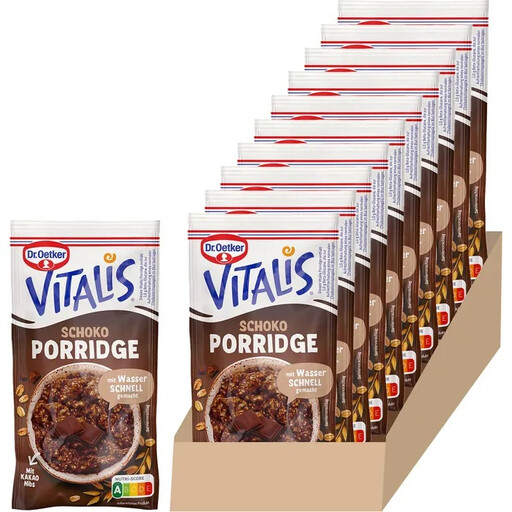 Image unavailable
Dr. Oetker Vitalis Chocolate Porridge Oats, 10 × 61 g
The individually wrapped portion can be handy for breakfast on your own. Check the carbohydrates and sugar per 61 g sachet, and take any additional ingredients into account when preparing it.
View on Joybuy
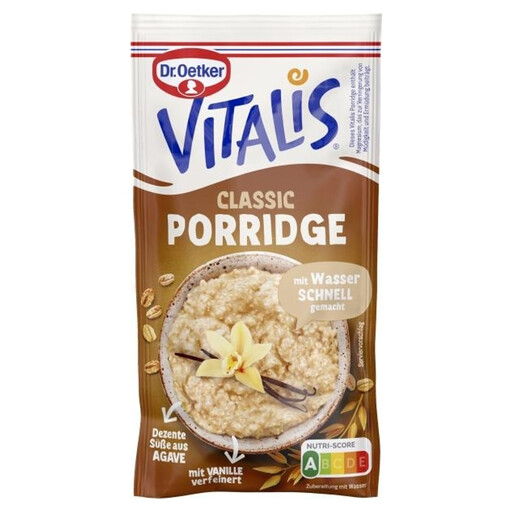 Image unavailable
Dr. Oetker Vitalis Classic Oatmeal Porridge, 58 g
This pre-portioned pack is an option if you want to make a single serving of porridge. For your own planning, check the carbohydrate and sugar information on the specific pack, and take the liquid you choose into account.
View on Joybuy
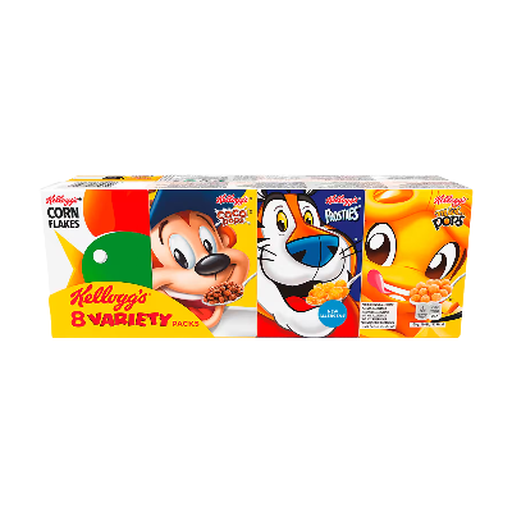 Image unavailable
Kellogg's Variety cereal pack, 8 individual packs, 205 g
The individual packs are easy to take with you for breakfast on the go. Check the weight, carbohydrates and sugar in the specific pack you choose, rather than assuming the total weight tells you the size of an individual portion.
View on Joybuy
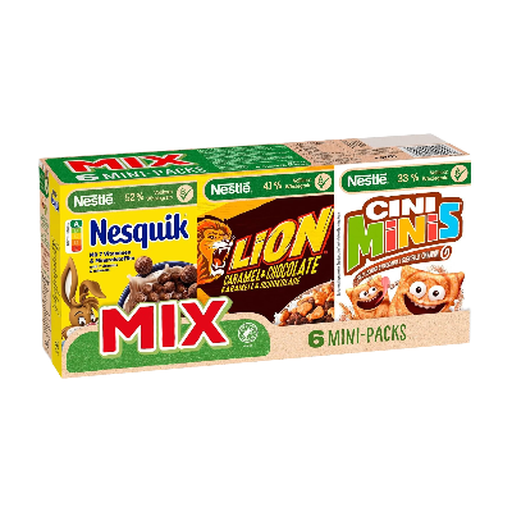 Image unavailable
Nestlé Cereal Variety Mini Pack, 200 g
The mini packs are an option if you’d prefer small packs to a large pack that you have to open. Compare the labelling for the variety you choose and its actual serving weight.
View on Joybuy
 Image unavailable
Quaker Oatmeal with Flaxseed and Cocoa, 245 g
This pack is an alternative if you’d like to measure out the amount for a single breakfast yourself; it isn’t a single-serving sachet. Check the sugar and carbohydrate information on the pack for the amount you’re preparing.
View on Joybuy
Frequently asked questions
Are individually wrapped cereals automatically suitable for people with diabetes?
No. A single sachet only sets the pack size; your personal choice depends on factors including the carbohydrates in the whole meal and the ingredients. Diabetes UK points out that there is no one-size-fits-all diet for people with diabetes.
Which nutritional values should I compare when sachets are different sizes?
First compare total carbohydrates and sugar per 100 g, then check the values for the amount you eat. Fibre, ingredients and allergens provide further information. Lebensmittelklarheit explains that nutrition tables on packaged foods generally include values per 100 g; values per portion may also be given.
Is the sugar content enough to plan my breakfast?
No. Also check the total carbohydrates in the cereal you eat and take additions such as milk, yoghurt or fruit into account. If you match your carbohydrate intake to insulin therapy, your personal meal plan is what matters.
Do people with diabetes have to avoid sweetened cereals altogether?
It wouldn’t be appropriate to make a blanket statement about whether they’re suitable for everyone with diabetes. Compare the sugar and total carbohydrates in the portion you plan to eat with your personal plan. If you have questions about how this fits with your treatment, speak to your healthcare professional or dietitian.
What should I check in an assortment pack containing several cereals?
Read the information for the variety you actually plan to eat, including the portion weight, ingredients and allergens. In an assortment pack, the total weight may not match the weight of each individual pack; always check the labelling on the product you’ve bought.


