
Lieferung heute & morgen

Qualitätsgarantie

Willkommens-Angebote freischalten: KOSTENLOSE Lieferung | Bis zu 80 % RABATT | Kostenlose 30-Tage-JoyPlus-Testphase
App herunterladen
The choice of the right sugar type significantly influences the final result in hot beverages and baked goods. Parameters such as crystal size, solubility, and composition are crucial for function and taste. The Diamant brand offers a portfolio of specialised sugar products tailored to different applications. This article analyses various Diamant Sugar products based on their technical specifications and practical benefits to help you make an informed choice.
The decision for a specific type of sugar should be based on objective criteria that align with its intended use.
The size and shape of the sugar crystals determine how quickly the sugar dissolves in a liquid.
In addition to pure sucrose, sugar products can contain other ingredients that influence colour and taste.
The intended application is the primary selection criterion.
Based on the criteria mentioned, we present three specific products from the Diamant range.
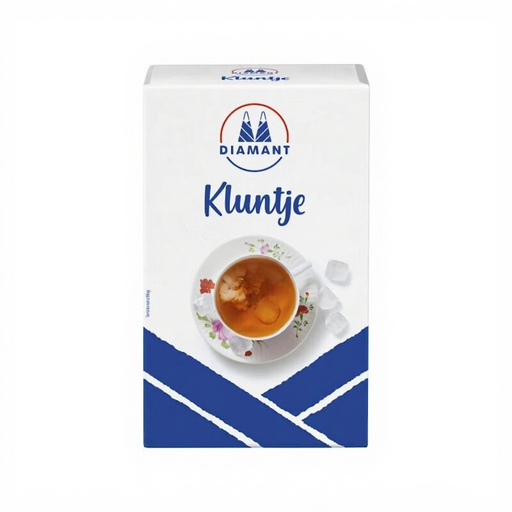
Why we recommend this product This product is designed for a specific niche application: the traditional preparation of East Frisian tea. According to the manufacturer, Diamant Kluntje undergoes a crystallisation process lasting several weeks to achieve its characteristic size and shape. This physical property is the core of its function, as it dissolves slowly at the bottom of the cup, releasing sweetness for the traditional three cups of tea. It is a product that materially supports a cultural practice.
Pros
Who it's for This product is aimed at enthusiasts of the East Frisian tea culture and individuals looking for a very slowly sweetening tea sugar for multiple infusions.
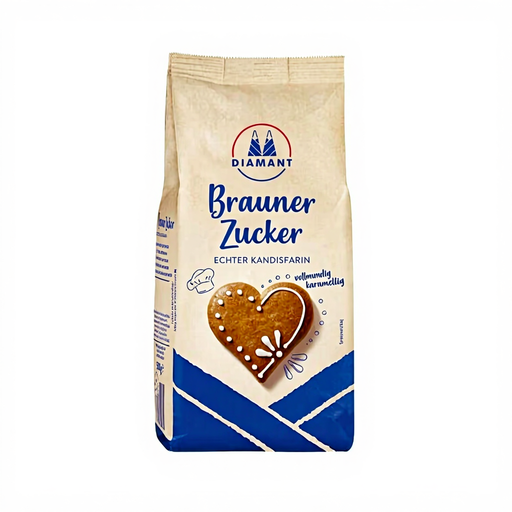
Why we recommend this product Diamant Kandisfarin is a fine-grain brown sugar whose properties are defined by the addition of rock candy syrup and caramel sugar syrup. This composition gives it a dark colour and a distinct caramel aroma. With a sugar content of 99g per 100g (according to nutritional information), it provides not only sweetness but also a depth of flavour that distinguishes it from pure white sugar. Its fine grain ensures good solubility in hot beverages and uniform incorporation into baking doughs.
Pros
Who it's for This product is designed for home bakers who follow traditional recipes using brown sugar, as well as for consumers who wish to enrich their coffee or tea with an extra dimension of flavour.
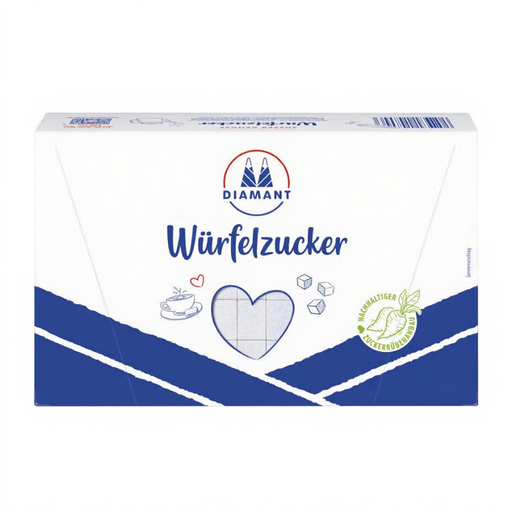
Why we recommend this product The primary function of Diamant Sugar Cubes is their practicality. Each cube represents a pre-defined amount of sugar (approx. 4g according to the manufacturer), which allows for consistent and clean portioning without additional measuring tools. According to the ingredients list, the product consists of 100% sugar and is free from additives. It is the standard solution for uncomplicated and repeatable sweetening of hot beverages in private households, offices, or the food service industry.
Pros
Who it's for This product is suitable for users who value convenience, cleanliness, and a standardised level of sweetness. It is a pragmatic choice for daily use in any environment where hot beverages are consumed.
Should the selection presented here not meet your specific requirements, you will find a broader range of products in our main category. Discover more options in our sugar category.
1. What is the difference between Kluntje and other rock sugar? Rock sugar is the generic term for sugar obtained by slow crystallisation from a sugar solution. It exists in various sizes and colours (white and brown). Kluntje is a specific term for the particularly large, white rock sugar crystals traditionally used in East Frisian tea culture. Diamant Kluntje is therefore a special form of white rock sugar.
2. Can you use Diamant Kandisfarin for baking? Yes, Kandisfarin is very well-suited for certain baked goods. Due to its molasses and caramel content, it not only adds sweetness but also a moister texture, a darker colour, and a spicy aroma to the pastry. It is often used in recipes for gingerbread, spice cakes, Printen (a type of German biscuit), or certain types of bread.