
Lieferung heute & morgen

Qualitätsgarantie

Willkommens-Angebote freischalten: KOSTENLOSE Lieferung | Bis zu 80 % RABATT | Kostenlose 30-Tage-JoyPlus-Testphase
App herunterladen
The selection of diapers on the market can be overwhelming for parents. Between different sizes, brands, and product features, it's difficult to keep track. Making the wrong choice not only leads to unnecessary expenses but can also result in leaky diapers and skin irritation for your baby. This guide will help you avoid the common pitfalls and make an informed decision.
As a Joybuy Product Recommendation Officer, I analyse the facts behind the marketing hype so you can find a suitable and reliable diaper for your child.
Before we dive into the details, let's look at three common problems parents experience when buying diapers:
To find the right diaper, you should focus on objective criteria. The following three points are crucial for your baby's comfort and protection.
A good fit is the foundation of reliable leak protection. Look for the following features:
A baby's skin is up to five times thinner than an adult's and therefore particularly sensitive. For diapers for sensitive skin, the following aspects are relevant:
A high-performance absorbent core is the heart of every diaper. Modern diapers use a superabsorbent polymer (SAP), a granulate that can absorb many times its own weight in liquid and turn it into a gel. This securely locks away wetness and keeps the skin's surface dry. Product lines like Pampers Baby-Dry are specifically designed for long-lasting dryness, while others like Bc Babycare advertise a thin yet highly absorbent core (InfiniThin Core).
Based on the criteria above, we have compiled a selection of products suitable for different needs and life stages.
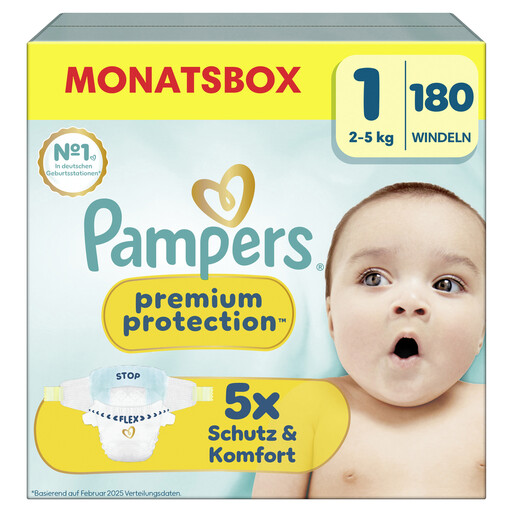
Why it's a match: Specifically designed for the sensitive skin of newborns. The soft materials and features focused on skin protection make it a common choice for a baby's first diapers.
Addresses the pitfall of ignoring skin compatibility with its DermaComfort liner, which wicks moisture away from the skin, and its formulation free of EU perfume allergens.
The combination of the Stop & Protect Pocket against leaks up the back and the wetness indicator offers a high degree of security and convenience for parents and baby.
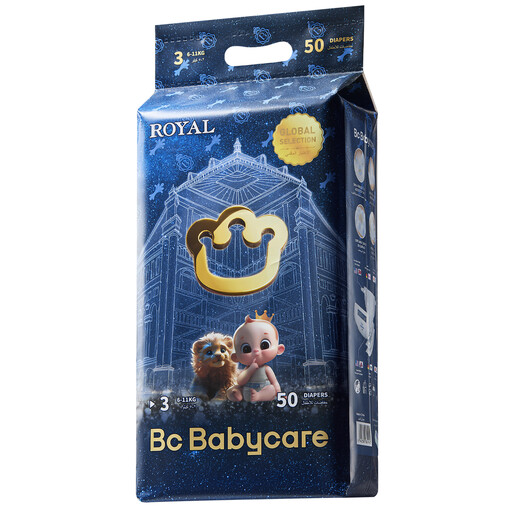
Why it's a match: For parents who are open to new brands and place a high value on scientifically-backed skin protection. This product stands out due to its specific material properties.
Directly focuses on preventing skin irritation with a slightly acidic pH 5.5 top sheet, which mimics the skin's natural protective barrier.
The focus on the skin's pH level is a clear, objective feature. According to the manufacturer, the InfiniThin core provides high absorbency in a thin diaper profile.
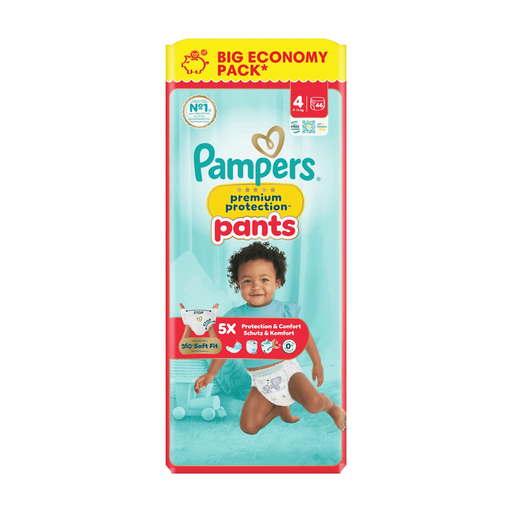
Why it's a match: Ideal for babies and toddlers who are crawling, walking, and exploring the world. The easy on-and-off design makes the changing process much simpler with a mobile child.
Solves the fit trap for active children. The 360° stretchy waistband adapts to movements and prevents the diaper from slipping, which can be an issue with standard taped diapers.
The comfort and security of a flexible, all-around waistband combined with the Stop & Protect Pocket for reliable protection, even when the child is constantly on the move.
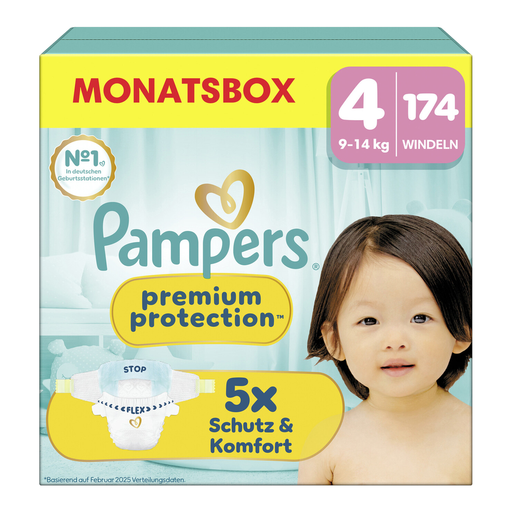
Why it's a match: For parents who have found their preferred diaper in the right size (e.g., **Size 4 diapers**) and want to save time and money by buying a **monthly diaper box**.
This is the logical next step after avoiding the premature bulk buy trap. You stock up because you already know the product fits well and is tolerated by your baby.
Maximum convenience and a great price per diaper. You secure the proven quality and protection of the Premium Protection line for an entire month.
We have compiled a complete, up-to-date list of products that fully meet these strict selection criteria and German safety regulations.
A good time to switch to diaper pants is when your baby becomes very active, resists being changed while lying down, or starts to crawl and walk. Pants offer more freedom of movement and are easier to change while standing. Many parents also use them in parallel with regular diapers, for example, using pants during active daytime periods and a classic diaper at night.
If your baby's weight is on the cusp of two sizes, pay close attention to the fit. Common signs that a diaper is too small include red marks on the tummy and legs, or the diaper no longer covering the entire bottom. If the diaper leaks regularly even when it's not full, it might be too big. When in doubt, it's often better to go up to the larger size, as it offers more absorbency. Start by buying a small pack of the new size to test it out.
The OEKO-TEX STANDARD 100 is an independent testing and certification system. If a diaper carries this label, it means that all its components (not just the fabric, but also threads, the absorbent core, and cuffs) have been tested against a long list of harmful substances. This gives parents the assurance that the product is safe for their baby's health.