
Lieferung heute & morgen

Qualitätsgarantie

Willkommens-Angebote freischalten: KOSTENLOSE Lieferung | Bis zu 80 % RABATT | Kostenlose 30-Tage-JoyPlus-Testphase
App herunterladen
The search for the right die-cast metal car can quickly become overwhelming. Whether it's a durable toy car for a child or a highly detailed collector's piece for a display case, the differences in quality are often only apparent on second glance. Many buyers invest in models that later turn out to be a disappointment, either because they break easily or fail to meet expectations for detail and accuracy.
This guide will help you avoid the common pitfalls. We'll show you the crucial features to look for to make an informed decision—whether you're seeking a long-lasting Siku car for your child or an authentic Porsche model car for your collection.
Before you make a purchase, you should be aware of the most common issues that lead to dissatisfaction.
To avoid a bad purchase, focus on three objective criteria. These will help you separate the quality models from the rest.
The term Die-Cast is a key indicator of quality. In this manufacturing process, a liquid metal alloy (usually zinc) is forced into a mould under high pressure. The result is a solid, detailed, and robust body. Models produced using the die-cast method are significantly more durable than plastic cars with a simple metal base. Look for this term in product descriptions if you value stability, especially for toy cars for children.
The scale indicates the size ratio of the model to the original vehicle.
For collectors, it is advisable to stick to a consistent scale to build a cohesive collection.
The functionality should match the intended use.
Here are some recommendations tailored to different needs, all of which meet the quality criteria mentioned above.
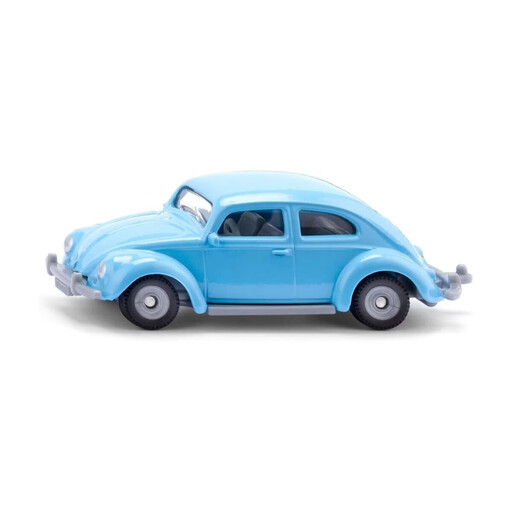
Why It's a Great Fit: Perfect for children aged 3 and up. The iconic design of the VW Beetle is timeless and appeals to both kids and adults. Its robust construction is designed for active play and can withstand intensive use.
This model features a solid die-cast metal body, not just a metal base. This provides the necessary stability and durability for the playroom.
The rubber tyres ensure excellent rolling performance on various surfaces. Its compact size is ideal for small hands and for taking on the go.

Why It's a Great Fit: An excellent choice for anyone starting their collection or who has a passion for sports cars. This model of the Porsche 911 GT3 RS is richly detailed and offers added interactive value with its opening doors.
This model avoids the disappointment of inaccurate details. The wide body, distinctive rear spoiler, and rims are faithfully recreated from the original, making it an appealing collector's item.
The combination of a robust metal body and functional elements like the doors makes it both a durable toy and an attractive entry-level model for collectors.
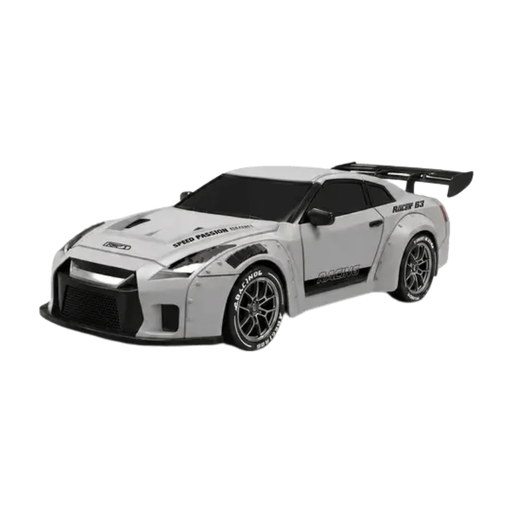
Why It's a Great Fit: This kit is aimed at hobbyists looking for a fully functional RC drift car. It offers advanced features typically found only in more expensive models and is ready to run right out of the box.
It comes as a complete set with a rechargeable 7.4V LiPo battery and USB charger. This avoids the trap of hidden costs from proprietary or hard-to-find batteries.
The adjustable gyro stabiliser and two included sets of tyres (drift and racing) allow for precise control and versatile use for different driving styles.
We have compiled a complete, up-to-date list of products that fully meet these strict selection criteria and all relevant safety standards.
Pay attention to the model's weight—a heavier weight often indicates a higher metal content. Check the product description for terms like "Die-Cast". Other quality indicators include clean paint finishes, precisely fitted parts, and clear window inserts instead of painted-on surfaces.
For children between the ages of 3 and 10, the 1:55 or 1:64 scales are often a great choice. These models are robust, fit well in small hands, and are compatible with many common playsets and car parks. Larger models in 1:24 or 1:18 scale often contain more delicate parts and are better suited for older children or as display pieces.
"Die-Cast" refers to the die-casting process. In this method, molten metal (usually a zinc alloy) is injected under high pressure into a steel mould. This process allows for the creation of highly detailed, dimensionally stable, and durable metal bodies. It is considered the standard for high-quality die-cast metal cars, in both the toy and collector markets.