
Lieferung heute & morgen

Qualitätsgarantie

Willkommens-Angebote freischalten: KOSTENLOSE Lieferung | Bis zu 80 % RABATT | Kostenlose 30-Tage-JoyPlus-Testphase
App herunterladen
As a Joybuy Product Recommendation Officer, I see the incredible diversity of the die-cut template world every day. For crafters dedicated to card making or scrapbooking, the sheer volume of designs, shapes, and sets can be overwhelming. Finding the right template for a specific project, whether it's a birthday card or a personalised album, often proves time-consuming.
This guide is designed to offer you clear direction. We'll outline objective selection criteria and present a curated selection of metal cutting dies, each suited for different applications based on their unique features. Our goal is to help you make an informed decision that perfectly matches your creative endeavors.
To find the right templates for your projects, a few key criteria are essential. These will help you better assess the functionality and durability of the products.
Most high-quality cutting dies are made from carbon steel. This material is known for its durability and its ability to deliver clean, precise cuts even after many uses. Ensure that the templates are compatible with your existing die-cutting and embossing machine. Many products are universally compatible and work with popular models like the dies for the Big Shot. It's always wise to check the product description for compatibility notes.
The most common application for die-cut templates is card making. Consider which occasions you craft for most often. You can specifically look for birthday die-cut templates, Christmas-themed designs, or neutral elements like flowers and frames. A die-cut template set that combines various thematically related designs can be an economical and practical solution. For maximum personalisation, alphabet die-cut templates and number die-cut templates are a valuable addition to any collection, allowing you to create names, dates, or custom messages. An elegant script die-cut template can also give a card a professional touch.
The level of detail in a template significantly impacts the final result. Intricate, filigree patterns often look very sophisticated but may require more care when removing the paper. Simpler, larger shapes are more straightforward to handle and are well-suited for beginners or quick projects. Also, check the dimensions of the template. It must not only fit into your machine but also be proportional to your project, such as a standard A6 card or a scrapbooking page.
Based on the criteria mentioned, we have compiled a selection of die-cut templates suitable for various creative needs.
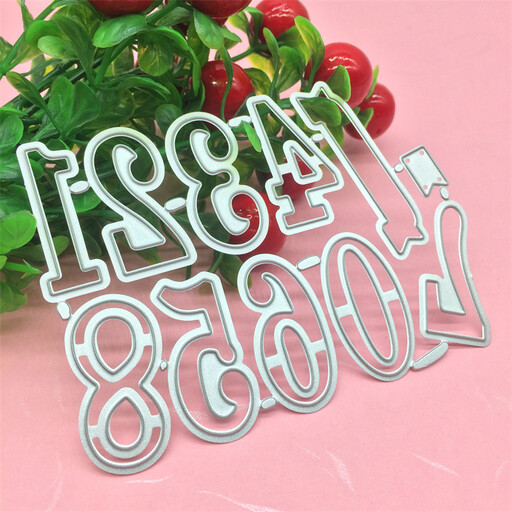
Why it stands out: The strength of this set lies in its completeness. It includes not only the entire alphabet in capital letters but also the numbers 0 through 9. This allows for a high degree of flexibility for personalising projects.
Advantages:
Who it's for: This set is ideal for crafters who regularly incorporate personalised elements into their scrapbooking templates or card making projects. It's a foundational toolkit for anyone looking to get creative beyond simple motifs.
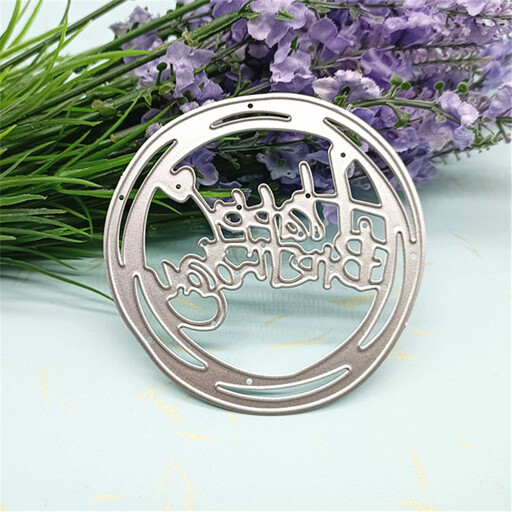
Why it stands out: This script die-cut template focuses on a single, yet very common, application: the birthday greeting. The elegant, connected script design creates a polished and professional look on any card.
Advantages:
Who it's for: Users looking for a straightforward and effective solution for designing birthday cards. This template delivers a clean and appealing result with minimal effort.
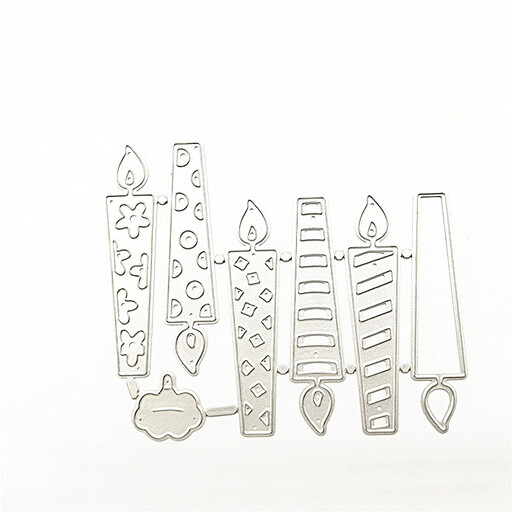
Why it stands out: This set is distinguished by its modular design. The individual candles and flames can be flexibly arranged and combined, offering significant creative freedom for custom compositions.
Advantages:
Who it's for: Creatives looking for a customisable and playful design. It's ideal for crafters who enjoy experimenting with composition and arrangement to create unique designs.
The products featured here cover some of the most common use cases. But the world of die-cutting and embossing designs is far more extensive. If you're looking for specific designs, different themes, or a broader selection of shapes, you'll find them in our main category.
What is the difference between cutting dies and embossing folders?Cutting dies, often referred to as metal dies, are designed to precisely cut shapes from materials like paper, cardstock, or felt. Embossing folders, on the other hand, do not cut the material but instead press a three-dimensional, raised pattern into it. Some intricate cutting dies can also create subtle embossing effects.
What material is best for cutting dies? Most commercially available dies are made of carbon steel. This material offers a good balance of hardness and flexibility. It retains its sharp edge over a long period, ensuring consistently clean cuts, while being robust enough to withstand the pressure of the die-cutting machine.
How do I clean my cutting dies? After cutting, small paper scraps can get stuck in the intricate crevices of the die. These are best removed with a small tool. A brush with fine metal or plastic bristles (often called a "die brush") is very effective for this. Alternatively, a pointed tool (piercing tool) can be used to gently poke the scraps out of the openings.