
Lieferung heute & morgen

Qualitätsgarantie

Willkommens-Angebote freischalten: KOSTENLOSE Lieferung | Bis zu 80 % RABATT | Kostenlose 30-Tage-JoyPlus-Testphase
App herunterladen
Creating custom greeting cards, embellishing photo albums, or crafting personal decorations for special occasions requires both precision and creativity. For paper crafting enthusiasts, die-cutting templates are an essential tool for repeatedly cutting precise and intricate shapes. However, the vast selection of designs and types can be overwhelming.
This article serves as a guide. It explains what to look for when choosing cutting dies and presents a selection of products for various applications. Our goal is to provide you with an objective basis for your purchasing decision.
To find the right cutting dies for your projects, a few fundamental criteria should be considered. These will help ensure the functionality and longevity of your accessories.
Most die-cutting templates available on the hobby market are made of thin metal. These so-called "Wafer-Thin Dies" are known for their ability to cut highly detailed and intricate patterns. It is crucial to check the die's compatibility with your existing die-cutting machine. Manufacturers typically specify which popular models (e.g., from Sizzix, Spellbinders, or Cricut) their products are suitable for. Also, pay attention to the required die-cutting machine accessories, such as the correct sandwich of cutting plates, to achieve a clean result.
The design is the centrepiece of every die-cutting template. Consider the primary purpose for which you intend to use the die.
A related tool is the embossing folder, which imparts a three-dimensional texture to paper instead of cutting it. Many crafters combine both techniques for effects with exceptional depth.
Here you will find a curated selection of die-cutting templates that stand out for their specific designs and application possibilities.
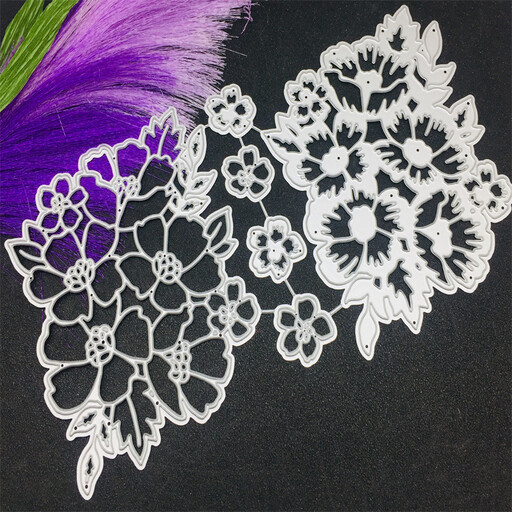
Why it stands out: This set is specifically designed for creating layered flowers. It includes several separate dies that, when layered, produce a three-dimensional effect. The combination of larger flower shapes and smaller detail elements allows for a high degree of creative flexibility.
Advantages:
Who it's for: For crafters who enjoy creating detailed floral arrangements for their paper projects and value a sculpted, multi-dimensional look.
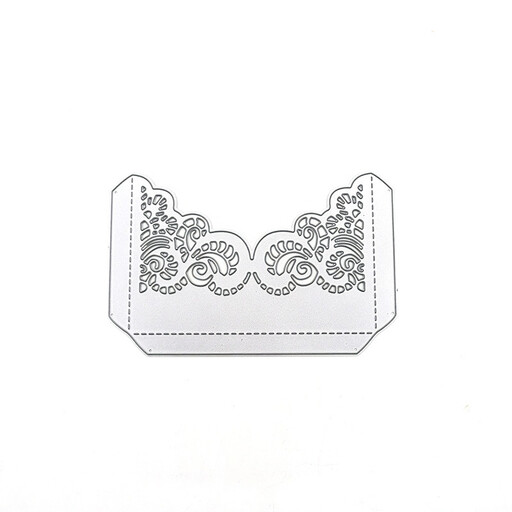
Why it stands out: This set focuses on an intricate lace border with floral elements. The design is perfect for adding an elegant and delicate edge to invitation cards, menu cards, or thank-you notes. The length of the border is designed for standard card sizes.
Advantages:
Who it's for: Ideal for designing stationery for festive occasions like weddings, christenings, or anniversaries where a romantic and elegant style is desired.
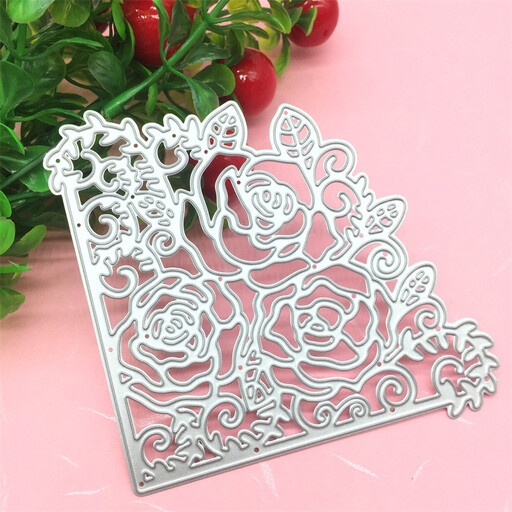
Why it stands out: This set contains four identical corner elements with a design reminiscent of the Art Deco style. Instead of dictating a complete frame, these corners offer the freedom to flexibly adjust the frame's size to fit any project. They can be used to stylishly highlight photos, text, or other central elements on a scrapbook page or card.
Advantages:
Who it's for: For scrapbooking fans looking to enhance photos or journal entries, as well as for crafters seeking a symmetrical and stylish frame for their creations.
The products featured here cover only a small fraction of the possibilities that paper crafting offers. If you are looking for other designs, specific themes, or additional accessories, you may find the perfect product in our broader selection.
Discover the Entire Craft Flower Tools Category Here
Cutting dies are metal shapes with a sharp edge used to precisely cut designs from paper or other thin materials. Embossing folders, on the other hand, are typically plastic folders with a raised and a recessed pattern. The paper is placed between them and run through the machine to create a three-dimensional texture without cutting through the material.
For most intricate dies, cardstock with a weight between 160 gsm and 240 gsm works well. Thinner paper can tear more easily with very detailed designs, while very thick cardstock (over 300 gsm) may not cut through completely or might require multiple passes. It is advisable to perform a test cut with a small scrap of your paper.
After use, small paper scraps can get stuck in the intricate openings of the die. These can be carefully removed with a pointed tool, such as a needle or a special die pick tool. A small, stiff brush can also be helpful. Store your dies flat and dry, ideally on magnetic sheets or in special storage folders, to protect them from bending and getting lost.