
Lieferung heute & morgen

Qualitätsgarantie

Willkommens-Angebote freischalten: KOSTENLOSE Lieferung | Bis zu 80 % RABATT | Kostenlose 30-Tage-JoyPlus-Testphase
App herunterladen
The fascination with diecast model cars spans generations. Whether it's a detailed replica of a dream car in a display case, the start of a growing collection, or a high-quality gift for car enthusiasts, these miniature cars made from diecast metal captivate with their precision. However, the market can be overwhelming, and not every model lives up to the promise on its packaging.
As your Joybuy Product Recommendation Officer, I'm here to help you navigate the common pitfalls. This guide will show you what to look for to make an informed decision and avoid disappointment.
Many buyers are drawn in by appealing product photos, but they often overlook crucial details that determine a model's quality and longevity.
To ensure your next model car is a worthy addition to your collection, you should carefully examine three technical parameters.
The scale indicates the size ratio of the model to the original vehicle. A smaller number after the colon means a larger model.
High-quality collectible car models are based on the diecast process (metal injection moulding). Look for the following composition:
The quality of a collector car is revealed in its details. Before buying, check if the following aspects meet your standards:
Based on these criteria, we have identified several models that are suitable for different profiles and preferences.

Why it's a great fit: This Lamborghini model car captures the aggressive lines of the modern supercar. It's ideal for collectors who value current vehicle models and are looking for a striking display piece.
The solid alloy body provides a satisfying weight and a high-quality feel. The doors are cleanly integrated into the design as a functional element.
Combines appealing aesthetics with play features like the pull-back motor, making it interesting for both display and occasional interaction.
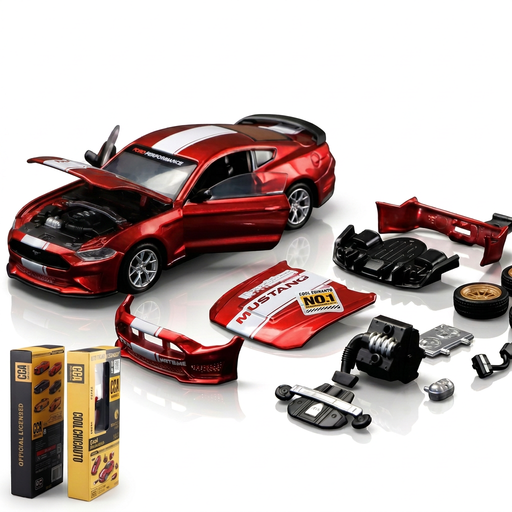
Why it's a great fit: This Ford Mustang model is a tribute to American automotive culture. It's aimed at collectors who appreciate not just the exterior but also the inner details and enjoy interactive features.
With opening doors and an opening hood, it offers more functional depth than simpler models. The craftsmanship aims for a realistic representation.
The 1:42 scale and high level of interior and exterior detail make it an excellent piece for a themed collection of muscle cars.
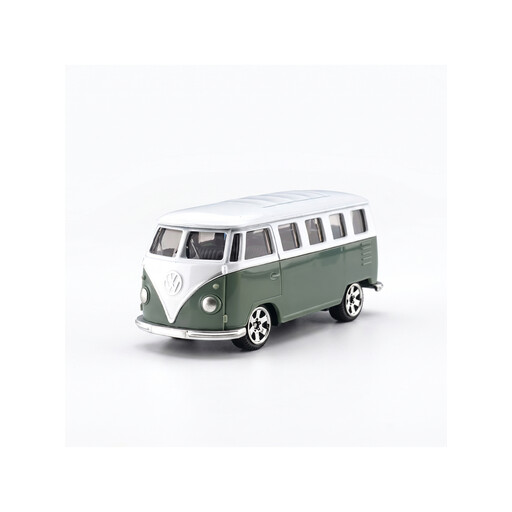
Why it's a great fit: The VW T1 Bus is an icon that evokes feelings of nostalgia. In this compact scale, it's a perfect entry-level model or a charming gift that doesn't require much space.
Despite the small 1:56 scale, it uses a solid material mix of zinc alloy, ABS, and rubber. The model is officially licensed, which ensures accurate proportions.
The integrated shock absorption is an unexpected but welcome detail in this size class, adding an extra layer of functionality to the model.
We have compiled a complete, real-time updated list of products that fully meet these strict selection criteria and German safety regulations.
1. How do you properly clean diecast model cars? To care for your collector cars, a dry, soft cloth is usually sufficient to remove dust. For more stubborn dirt, the cloth can be lightly dampened with a bit of rubbing alcohol. Absolutely avoid water or aggressive cleaning agents, as they can damage the paint and plastic parts.
2. What does the scale on model cars, e.g., 1:36, mean? A scale of 1:36 means that the model is 36 times smaller than the original vehicle. Every unit of length on the model (e.g., 1 cm) corresponds to 36 cm on the real car. The larger the second number, the smaller the model car.
3. Are diecast model cars a good investment? While some rare and limited-edition models can increase in value, collectible car models should primarily be purchased out of passion and for the joy of the hobby. The value is heavily influenced by factors such as rarity, condition, original packaging, and demand. A financial return is possible but not guaranteed. However, for a true car enthusiast, the sentimental value is often priceless.