
Lieferung heute & morgen

Qualitätsgarantie

Willkommens-Angebote freischalten: KOSTENLOSE Lieferung | Bis zu 80 % RABATT | Kostenlose 30-Tage-JoyPlus-Testphase
App herunterladen
Diecast model cars combine authentic detailing with a range of play and display features. For children aged 3 and over, sturdy toy vehicles from SIKU or Bruder are worth considering, while many metal models in 1:36 or 1:64 scale are aimed at teenagers and adult collectors. However, anyone looking to buy a model car should not base their decision solely on the brand, colour or promotional image.
The specification 1:64, 1:36 or 1:16 describes the model’s ratio to the original vehicle. A smaller denominator means a larger model. A 1:64 model car is therefore considerably more compact than a 1:36 model car. Product images can make the actual size even harder to judge.
Always check the following before buying:
“Metal model cars” often feature a die-cast or metal-alloy body, while the wheels, interior, windows and attachments are made from plastic. This is standard for toy vehicles. What matters is whether the material specifications are transparent and whether the moving parts are appropriate for the intended use.
A metal model with opening doors may be an appealing addition to a collection, but that does not automatically make it suitable for toddlers. Fine details or small accessories may come loose during rough play.
Pull-back mechanisms, lights, sound or opening doors can enhance play value, but they do not replace an appropriate age rating. According to the product information, several highly detailed 1:36 diecast models are intended for ages 14 and over. For children aged 3 and over, compact toy cars with clear small-parts warnings and a sturdy construction are generally more suitable.
Look for specific descriptions such as metal with plastic parts, zinc alloy or ABS plastic. For regular play, freely rolling wheels, a securely attached body and easy-to-operate features are important. For display purposes, paintwork, printed detailing and the fit of doors or panels also matter.
In Germany, the manufacturer’s age recommendation is an important starting point, but it does not replace an assessment of the specific play situation. Many models contain small parts and are not suitable for children under 36 months. With police toy cars, fire engines with accessories or vehicles supplied with figures, parents should read the packaging and safety instructions in full.
A pull-back model generally does not require batteries. Vehicles with light and sound modules, on the other hand, do require batteries and should be stored in a dry place. Collector cars are best kept in a dry, dust-protected location away from direct sunlight. A soft, dry cloth is usually sufficient for cleaning. Always follow the manufacturer’s specific care instructions.
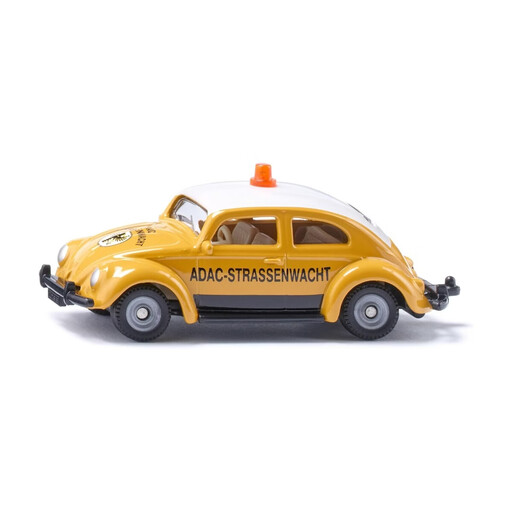
Why it’s a good fit: According to the product information, this compact vehicle is suitable for children aged 3 and over and integrates easily into an existing SIKU playset.
The age recommendation and small-parts warning are clearly stated, and the model does not require batteries.
Metal body, plastic parts, rubber tyres, 1:64 scale and ADAC livery.

Why it’s a good fit: The blue die-cast body, opening doors and larger scale appeal to teenage and adult fans of high-performance cars.
The 14+ recommendation clearly distinguishes this model from toy cars intended for toddlers.
Alloy body, opening doors, pull-back mechanism and 1:36 scale.
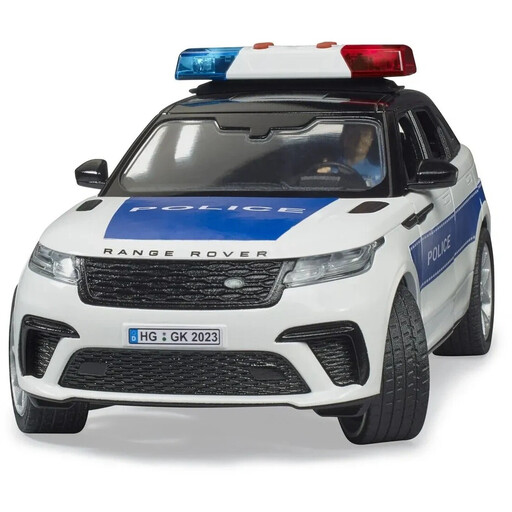
Why it’s a good fit: According to the product information, this 1:16 police vehicle is suitable for children aged 3 and over and offers several features for extended role-play scenarios.
The features are clearly specified: opening doors, steerable front axle, tailgate and spring axles.
1:16-scale plastic model, including a police figure and requiring no batteries.
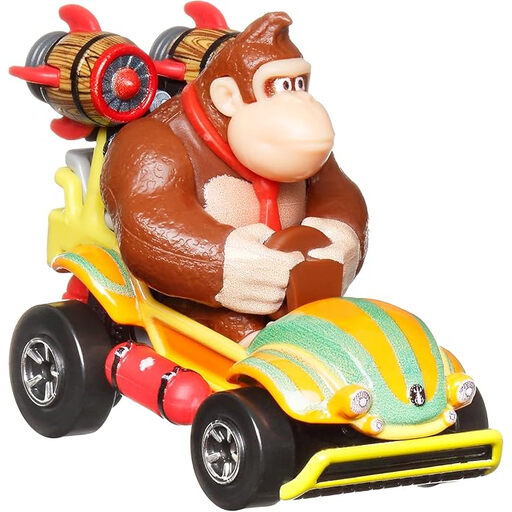
Why it’s a good fit: These licensed vehicles bring Mario Kart characters to life and can, according to the product description, be used with Hot Wheels race tracks.
The 3+ age recommendation and small-parts notice make the intended use clear.
1:64 scale, diecast metal components, no batteries and race-track compatibility according to the product information.
Fans of classic vehicles may want to consider the Volkswagen T1 in 1:36 scale, featuring opening doors and a pull-back function, or the black 1987 BMW M3. Those looking to build a compact collection can explore the Aston Martin V12 1:64, the four-colour McLaren set or the SIKU McLaren Senna.
For emergency-services play scenarios, options include the Bruder MB Sprinter Police 1:16, a SIKU VW T5 emergency vehicle and a fire-service transport set with multiple vehicles. With these products, buyers should pay particular attention to the included accessories, battery requirements and specific age recommendation.
Our complete selection includes more products organised by scale, material, age and intended use.
That depends on the individual product. According to the product information, some SIKU and Bruder toy vehicles are suitable for children aged 3 and over. Models with small parts, delicate attachments or a 14+ recommendation are not suitable for younger children. Always follow the warnings provided on the product page and packaging.
1:64 takes up little space and is well suited to larger collections or race tracks. 1:36 offers more visible detail and is often appealing for display purposes and adult collectors. 1:16 is considerably larger, providing more room for figures and role-play, but it also requires significantly more display space.
Many classic miniature cars with rolling wheels or pull-back mechanisms operate without batteries. Models with light and sound modules, however, do require batteries. Before buying, check the information on the power supply, items included and battery type.