
Lieferung heute & morgen

Qualitätsgarantie

Willkommens-Angebote freischalten: KOSTENLOSE Lieferung | Bis zu 80 % RABATT | Kostenlose 30-Tage-JoyPlus-Testphase
App herunterladen
Diecast model cars combine compact dimensions with visible vehicle details. Depending on the design, they may be collected, displayed or used as toy cars. The selection ranges from metal model cars and racing and sports car models to motorcycles and radio-controlled vehicles. However, not every product will automatically suit your intended use.
If you are looking to buy a diecast model car, focus less on promotional terms such as “premium” or “particularly detailed”. Instead, look for clear information about scale, material, recommended age and functions.
A model car in 1:64 scale is significantly smaller than a 1:36 or 1:43 model car. The scale indicates the ratio to the original vehicle. A 1:36 model requires more display space, but often provides room for larger doors, interior details or moving parts.
Before buying, check the following:
With diecast models, the body is often made from a zinc alloy or another cast metal. Other components may be made from ABS plastic, rubber or transparent plastic. Doors, wing mirrors, spoilers and wheels can therefore remain delicate, depending on the design.
A model car collector should distinguish between a display model and a toy car. A model with an acrylic cover and display base is designed for presentation. A pull-back model with rolling wheels is more suitable for short play sessions, but should not be treated as an indestructible toy.
Many detailed miniature cars are intended for ages 14 and over. Small parts, opening doors and delicate attachments may be unsuitable for younger children. For toy cars intended for children, the manufacturer’s information on the product page and packaging is therefore decisive.
Products containing small parts require particular caution for children under three. When buying a radio-controlled drift car, you should also check the battery information, charging accessories and intended area of use.
Look for specific information such as zinc alloy, ABS, rubber, acrylic cover or plastic. A metal body can provide a solid feel, but on its own it says nothing about the durability of doors, axles or attachments.
For long-term display, a stable base and dust cover are practical features. With toy cars, smoothly rolling wheels, rounded edges and a clear age recommendation are more important.
Opening doors, spring mechanisms, pull-back drive systems and remote control can increase play value, but may also create additional points of wear. Models intended for display should be kept as dry and dust-free as possible. Certain metal models are recommended to be cleaned with a dry cloth. Water may be unsuitable for painted or moving components.

Why this product suits this profile: The 1:36 model offers a clearly visible size for starting a collection, combining display details with a simple pull-back function.
The scale and functions are clearly specified. The doors can be opened, while the recommended age of 14 and over should also be observed.
The body is made from alloy material, while the doors and pull-back drive are listed as specific features.
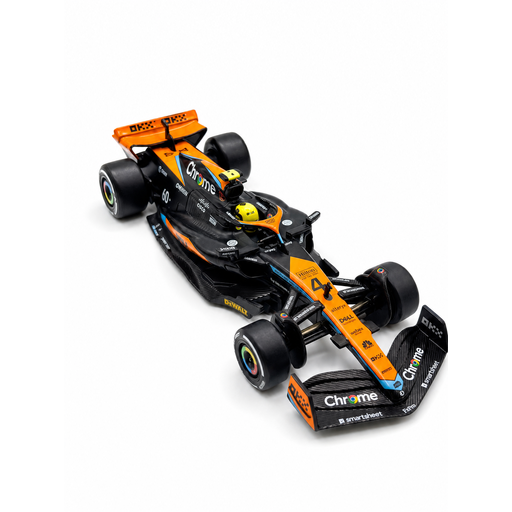
Why this product suits this profile: For motorsport fans, the 1:43 racing version with race number and livery is designed for display in a cabinet or on a shelf.
The packaging is not just for transport: the product description states that a display base and transparent acrylic cover are included.
According to the product description, the body is made from diecast alloy; the scale, racing edition and cover are all clearly specified.
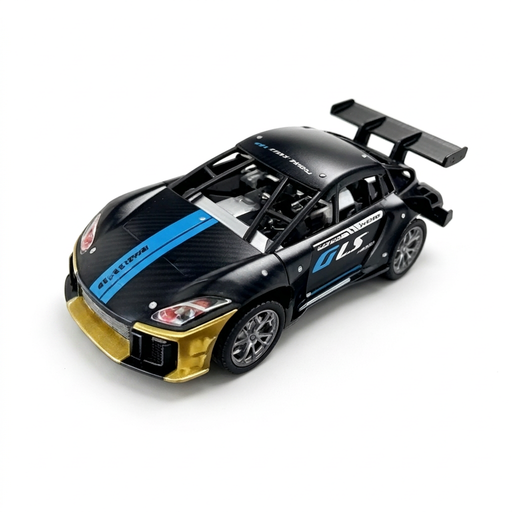
Why this product suits this profile: If you want to do more than collect and would like to drive regularly, this radio-controlled drift car offers 4WD control, forward and reverse drive and drift tyres.
The description specifies the contents, control functions and recommended use on smooth surfaces. The age recommendation of 3 and over and the small-parts warnings should be observed.
The product information states that a rechargeable battery is included; the vehicle has a reinforced body and replaceable battery unit.

Why this product suits this profile: This model is aimed at Yamaha fans and collectors looking for a motorcycle model with visible chassis details and a compact display size.
The material, scale and functions are specified. The fold-out stand makes display easier, but the model should still be handled with care.
Zinc alloy, ABS and rubber are listed as materials; the model also features rear suspension and a foldable stand.
We have put together a complete, regularly updated list of products that fully meet these strict selection criteria and the safety regulations applicable in the EU.
It depends on the space available and the level of detail you want. 1:64 is suitable for displaying many vehicles in a small area. 1:43 is a popular format for shelves and display cabinets. 1:36 and 1:18 require more space, but usually showcase bodywork and functional elements more prominently.
Not every model is suitable. The manufacturer’s age recommendation, small parts and moving components are all important factors. Many detailed collector’s models are intended for ages 14 and over. For younger children, look specifically for designated toy cars with a suitable age rating.
Dust can usually be removed with a soft, dry cloth. Direct sunlight, moisture and significant temperature fluctuations can affect paintwork, plastic components or packaging. With radio-controlled models, batteries should be charged and stored safely in accordance with the manufacturer’s instructions.