
Lieferung heute & morgen

Qualitätsgarantie

Willkommens-Angebote freischalten: KOSTENLOSE Lieferung | Bis zu 80 % RABATT | Kostenlose 30-Tage-JoyPlus-Testphase
App herunterladen
As a responsible dog owner, you closely monitor the health and well-being of your four-legged friend. You may have noticed your dog has gained weight, or perhaps you're seeking a suitable nutritional solution following neutering or for their senior years. Choosing the right food can be a challenge.
This article serves as a guide. We will present objective criteria for selecting a diet dog food and showcase a selection of products tailored for weight management and specific needs. Our goal is to provide you with a solid basis for making an informed decision.
The decision to choose a weight management food should be based on clear facts. Here are three key aspects to consider during your selection.
A crucial factor in dog food for weight loss is a reduced energy content. Pay close attention to the declaration on the packaging.
A common problem when switching to a weight-loss diet is that the dog doesn't feel full. Foods with an increased amount of fibre (crude fibre) can help. Fibre swells in the stomach, contributing to a longer-lasting feeling of fullness, even though the portion contains fewer calories. This helps with adherence to feeding recommendations and can reduce begging between meals.
Not every dog with weight issues is the same. Needs vary depending on age and life circumstances.
Based on the criteria mentioned, we have compiled a selection of products designed for various weight management scenarios.
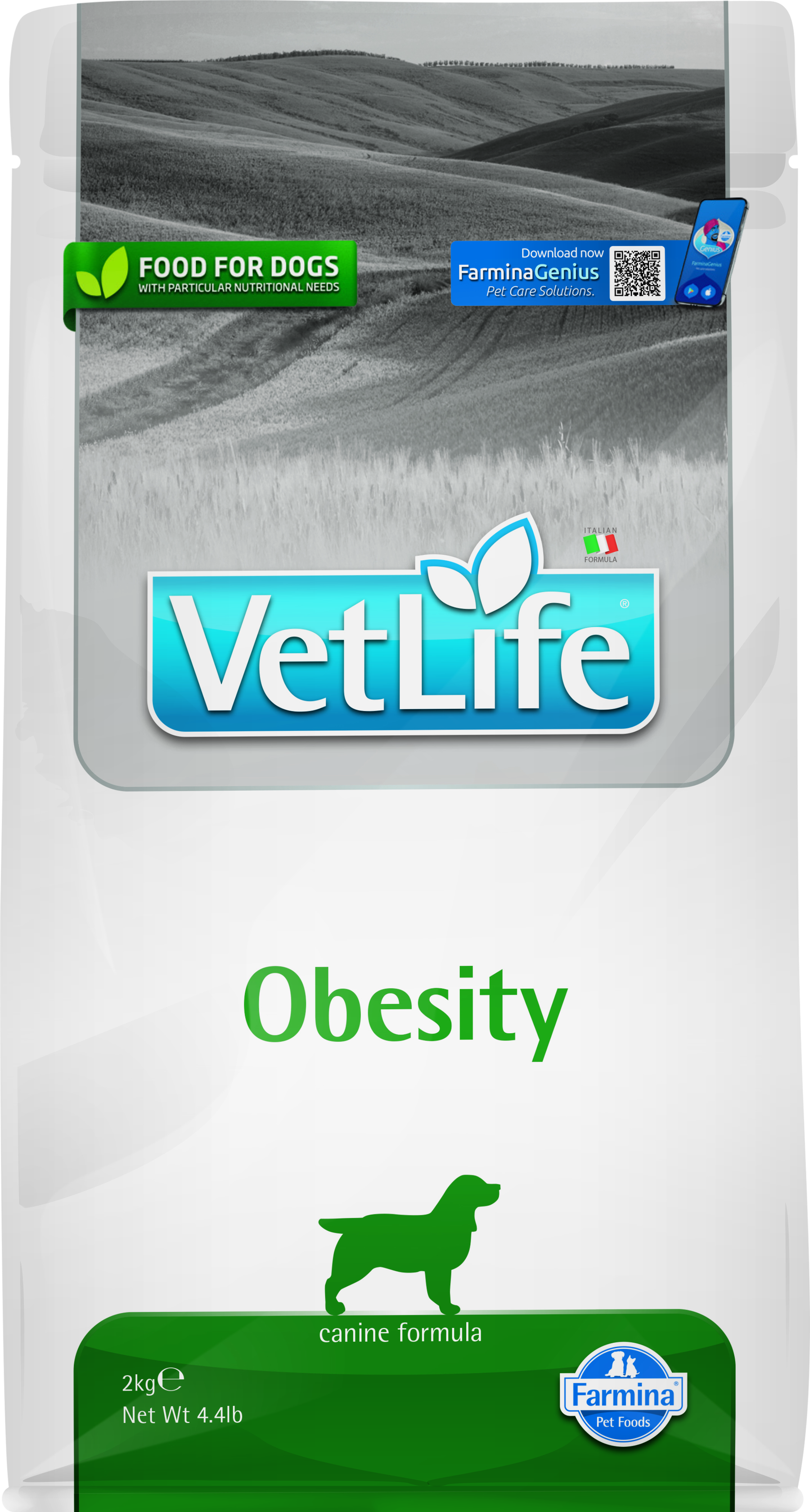
Why It Stands Out This product is designed as a complete dietetic food specifically for reducing excess weight. The composition aims to support effective weight loss while preserving muscle mass.
Benefits
Who It's For This food is intended for adult dogs requiring significant weight reduction. Due to its specific dietetic nature, feeding in consultation with a veterinarian is recommended.
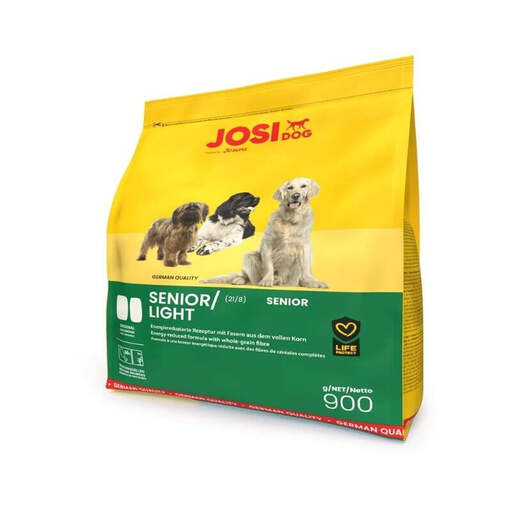
Why It Stands Out JosiDog Senior / Light is a balanced, complete food with a reduced energy content. It combines the requirements of a senior dog food with those of a light dog food, making it versatile.
Benefits
Who It's For It is suitable for older, less active, or adult dogs prone to slight obesity. It's a good choice for long-term weight maintenance or gentle weight reduction.
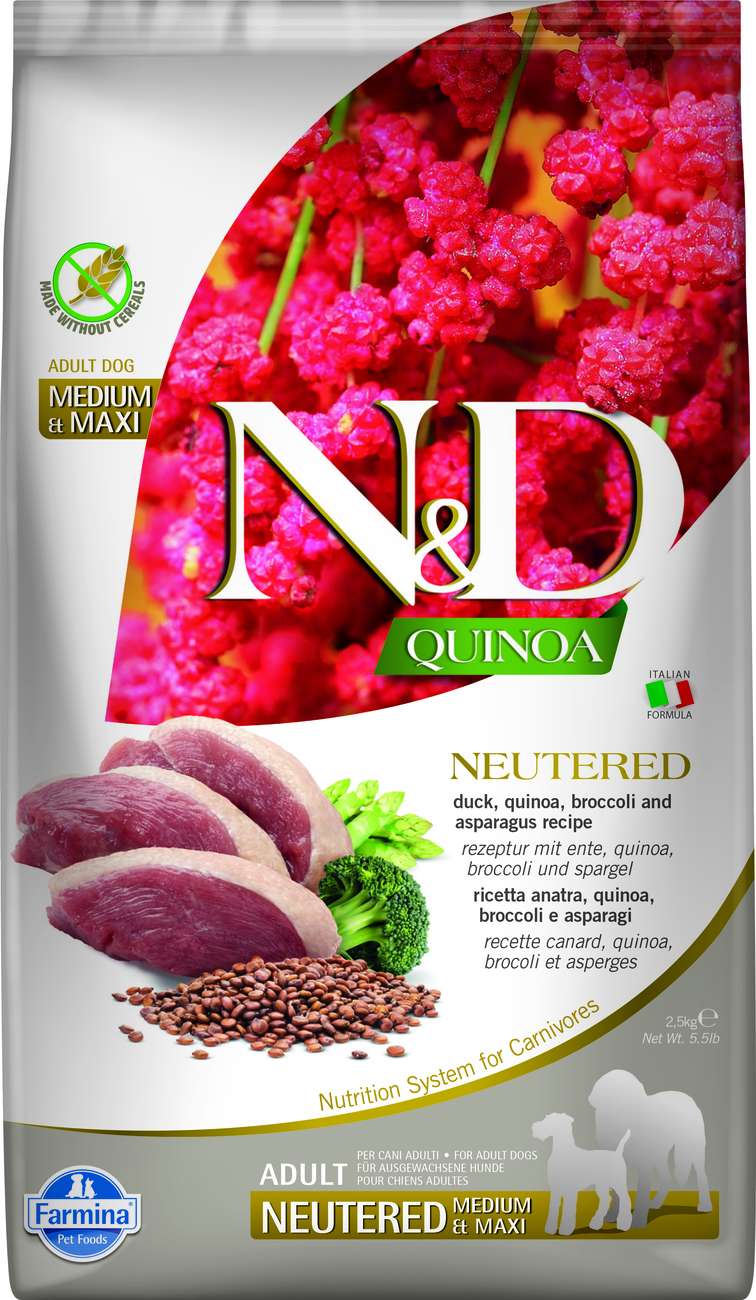
Why It Stands Out This recipe is specifically tailored to the needs of neutered dogs of medium and large breeds. The composition with duck, quinoa, broccoli, and asparagus offers an alternative protein source and is grain-free.
Benefits
Who It's For Ideal for adult, neutered dogs of medium and large breeds whose owners prefer a grain-free diet and want to proactively prevent weight gain.
Every dog's needs are unique. If the products presented here do not exactly match your pet's requirements, a wider range of specialised foods is available. From hypoallergenic diets to other weight-reducing formulas, you can find additional options in our main category.
Discover our entire range of diet dog food here
The term light dog food is generally used for food that has a reduced calorie or fat content compared to the same manufacturer's standard product. It is primarily intended for weight maintenance in dogs with lower energy needs or to prevent obesity. Diet dog food (often referred to as veterinary diet food), on the other hand, is designed to treat existing health problems such as obesity and has a specific composition to achieve weight loss.
Healthy weight loss should be slow and steady. A weekly weight loss of about 1% to 2% of the initial body weight is a good guideline. Reducing weight too quickly can lead to muscle mass loss. Adhere strictly to the manufacturer's feeding recommendations and weigh your dog regularly. If you are unsure, consulting a veterinarian is advisable.
This is generally not recommended. Simply reducing the amount of food leads not only to fewer calories but also to a lower intake of essential nutrients like vitamins, minerals, and proteins. This can lead to deficiencies in the long run. Special dog food for overweight dogs is formulated to ensure a complete and balanced supply of nutrients despite its reduced calorie count.