
Lieferung heute & morgen

Qualitätsgarantie

Willkommens-Angebote freischalten: KOSTENLOSE Lieferung | Bis zu 80 % RABATT | Kostenlose 30-Tage-JoyPlus-Testphase
App herunterladen
If you’re looking to buy dietary supplements for bones and joints, you’ll find countless combinations of vitamin D3, calcium, magnesium, collagen, glucosamine or MSM. Product names often sound similar, but they can differ significantly in dosage, form of intake and safety warnings. As a Joybuy Product Recommendation Officer, I’ll give you a clear, objective overview of the most important selection criteria, so you can separate marketing claims from the product data that really matters.
Claims like “2500 IU vitamin D3” or “1200 mg calcium” simply tell you the amount contained. What really counts is whether that dosage matches your diet, your personal needs and any other supplements you’re taking. With high-dose vitamin D3 in particular, you should avoid combining several products without seeking medical advice.
A product with calcium and vitamin D3 might seem like a good idea if you want to top up both nutrients. But if you’re also taking magnesium calcium D3, vitamin K2 D3 or a multivitamin, you need to check the total amounts. Otherwise, you could end up getting too much of certain vitamins and minerals.
Collagen for joints, glucosamine MSM and chondroitin belong to different product groups. Some supplements also contain vitamin C, vitamin D or manganese, while others focus on just one or two ingredients. So always compare the nutritional information per daily serving, rather than just reading the front of the pack.
Check the label for:
According to authorised nutrition claims, vitamin D contributes to the maintenance of normal bones and normal muscle function. Calcium and magnesium also support normal bones and normal muscle function respectively. These claims relate to the nutrients themselves and do not replace a diagnosis or medical treatment.
With glucosamine MSM, the source is particularly important. Some products contain glucosamine sulphate derived from shellfish. If you have a relevant allergy, check the ingredients list carefully. Collagen can also be animal-based: the products in this selection include beef or fish collagen.
For a vegan or vegetarian diet, you’ll also need to look at the capsule shell, sweeteners and any additional ingredients. “Gluten-free” and “lactose-free” do not mean “free from all allergens”.
Tablets, capsules, drink granules, liquid sticks and direct granules all work differently in daily life. A weekly depot product can simplify your routine, but it requires very careful attention to the dosing intervals. In sensitive individuals, higher amounts of magnesium can have a laxative effect. Products containing sorbitol may also contribute to this.
If you have kidney disease, high calcium levels, are pregnant, breastfeeding or taking medication, you should discuss your choice with a healthcare professional. This is especially important for vitamin K products if you are taking anticoagulants.
The products below have been categorised according to clear criteria such as dosage, form of intake, ingredients and stated warnings. The information is based on the respective product details.
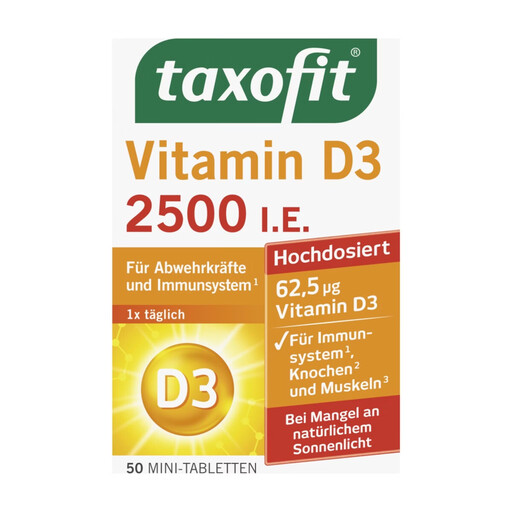
Why this product fits the profile: These small tablets are designed for adults and provide a clearly defined dose of vitamin D3 without any added calcium or magnesium.
The product data clearly states the amount per tablet and avoids an unnecessarily broad blend of active ingredients. This makes it easier to combine with other supplements.
Lactose-free, gluten-free and gelatine-free; small tablets and 50 per pack.
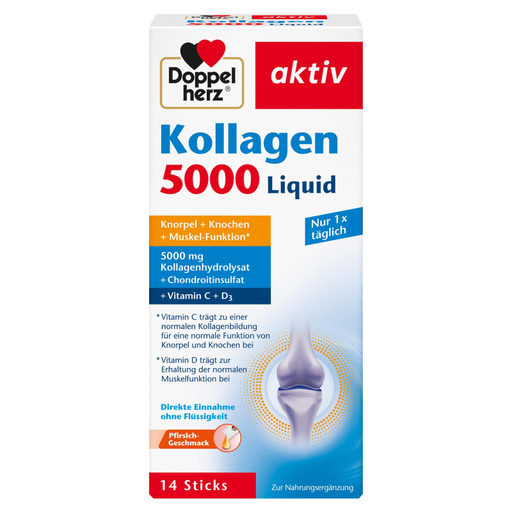
Why this product fits the profile: This liquid format combines 5000 mg of collagen hydrolysate with 80 mg of chondroitin sulphate, plus vitamin C, D, E and manganese per stick.
The composition clearly states the amounts per stick, so you can see exactly which ingredients are included in each daily serving.
Liquid stick without water; 5000 mg collagen hydrolysate and 20 µg vitamin D per stick.
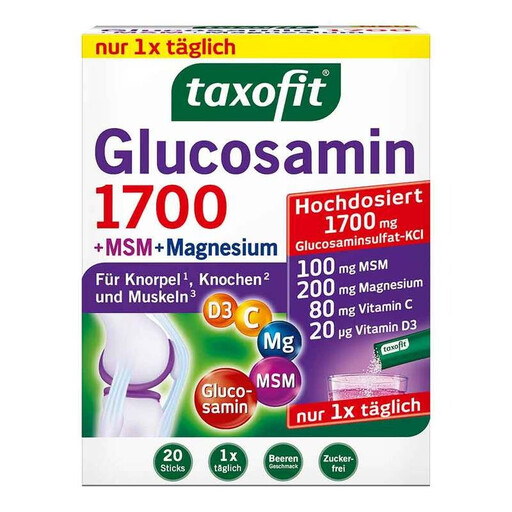
Why this product fits the profile: This drink granule is designed for adults who want to combine glucosamine MSM with magnesium, plus vitamin C and D, in one daily serving.
The daily serving is clearly stated. It also warns about the shellfish content and the possible laxative effect if consumed in excess.
1700 mg glucosamine sulphate, 100 mg MSM and 200 mg magnesium per stick; sugar-free, gluten-free and lactose-free.
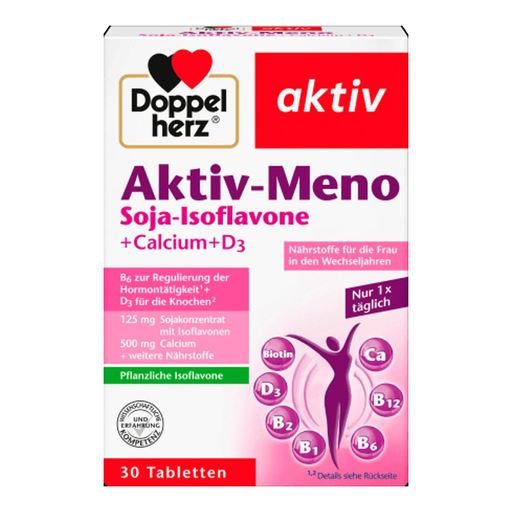
Why this product fits the profile: This formula combines calcium and vitamin D3 with soya isoflavones, collagen hydrolysate, hyaluronic acid and B vitamins, and is designed for adults.
The ingredients list clearly states the complex composition, including soya. Allergies and any existing calcium or vitamin D supplements should be considered before use.
One tablet daily; combination of calcium, vitamin D3, collagen hydrolysate and several vitamins.
For targeted mineral support for bones, calcium-magnesium capsules or calcium with vitamin D3 could be suitable. If you’re looking for vitamin K2 D3, pay particular attention if you are taking anticoagulants. For active adults, collagen products, MSM or glucosamine formulas are worth considering, as long as the ingredients and allergens match your personal needs.
The right choice depends less on a flashy marketing claim and more on dosage, ingredients list, form of intake and your personal tolerance.
We’ve put together a complete, regularly updated list of products that fully meet these strict selection criteria and the safety regulations in force in the EU.
That depends on your diet, life stage and individual needs. Vitamin D3, calcium and magnesium are often available individually or in combination. Collagen, glucosamine and MSM belong to a different product group. If you’re unsure, a blood test and medical advice can help, especially for long-term use.
There is no one-size-fits-all answer. Follow the instructions on the packaging, and if you use it for a long time, check that the composition still suits your situation. With high-dose vitamin D3, your blood levels and any other relevant lab values should be monitored by a healthcare professional.
Combination products already contain these nutrients in balanced daily servings. Only add extra supplements after checking the total amounts. If you have kidney problems, high calcium levels or are taking medication, you should consult a doctor first.