
Lieferung heute & morgen

Qualitätsgarantie

Willkommens-Angebote freischalten: KOSTENLOSE Lieferung | Bis zu 80 % RABATT | Kostenlose 30-Tage-JoyPlus-Testphase
App herunterladen
Anyone looking for dietary supplements for bones, joints and muscles will find products with widely varying ingredients, dosages and formats. For adults aged 45 and over, women during and after menopause, and people with increased nutritional needs, taking a close look at the formulation is therefore essential. Not every product suits every lifestyle or dietary pattern.
A large amount displayed on the front of the pack does not automatically mean that the product meaningfully complements an individual’s needs. With calcium, for example, you should check how much is already consumed through dairy products, calcium-rich mineral water, vegetables or fortified foods. The stated “1200 mg” may refer to the product’s recommended daily serving rather than the additional amount personally required.
Curcuma, glucosamine, MSM, magnesium and vitamin D3 are often prominently advertised. However, the complete formulation is what matters. This includes the actual amount of each active ingredient, the recommended intake, potential allergens and the combination with other dietary supplements. A product containing calcium, vitamin D3 and vitamin K is, for example, distinctly different from a joint supplement containing glucosamine.
Capsules, tablets, drink granules and direct granules that require no water differ considerably in everyday use. Anyone who dislikes swallowing tablets may benefit from granules. However, for people with sensitive digestion, sweeteners or sugar substitutes such as sorbitol may be relevant. Allergens such as crustaceans must also not be overlooked.
Pay attention to the amount per daily serving, not just the amount per pack. For vitamin D3, calcium and magnesium, nutrient reference values are generally listed on the label. According to authorised EU nutrition claims, vitamin C contributes to normal collagen formation for the normal function of cartilage and bones. Vitamin D and magnesium contribute to the maintenance of normal bones and to normal muscle function.
These statements describe authorised nutrient functions and should not be confused with medical treatment. A vitamin D3 supplement should likewise not automatically be equated with an existing deficiency. If you are unsure, consulting a doctor may be advisable.
Check whether you are already using several products containing vitamin D, calcium, magnesium or vitamin K. Otherwise, additional intake could result in an unnecessarily high total intake. People with impaired kidney function should consult a doctor before using calcium or magnesium products. Anyone taking coumarin-type anticoagulants should seek medical advice because of the vitamin K content.
A vegetarian dietary supplement is not automatically vegan. The capsule shell may be plant-based, while individual ingredients may be of animal origin. For example, the taxofit glucosamine product lists crustaceans or shrimp as an allergen. Also check information such as gluten-free, lactose-free, sugar-free or whether the product should be taken with a meal.
The following selection categorises the products according to specific usage scenarios. Details regarding quantities and features are taken from the respective product information.
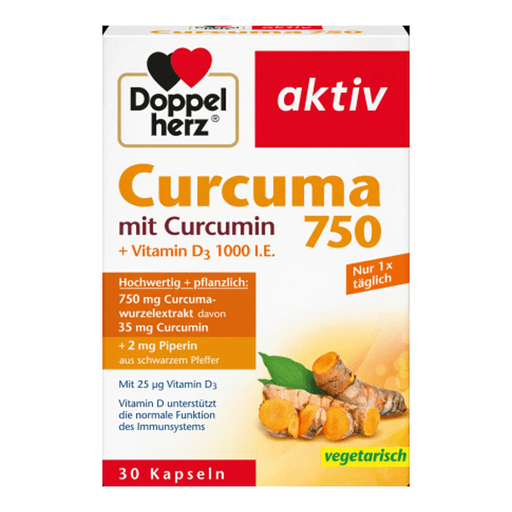
Why it suits this profile: One capsule per day is suitable for adults who want to combine curcuma with curcumin and vitamin D3 in a compact format.
The product information specifies 750 mg of curcuma extract, including 35 mg of natural curcuminoids, as well as 25 µg of vitamin D3. This clearly distinguishes the quantities from the extract designation.
Vegetarian HPMC capsules; according to the product information, gluten-free and lactose-free; additionally contains 2 mg of piperine per serving.
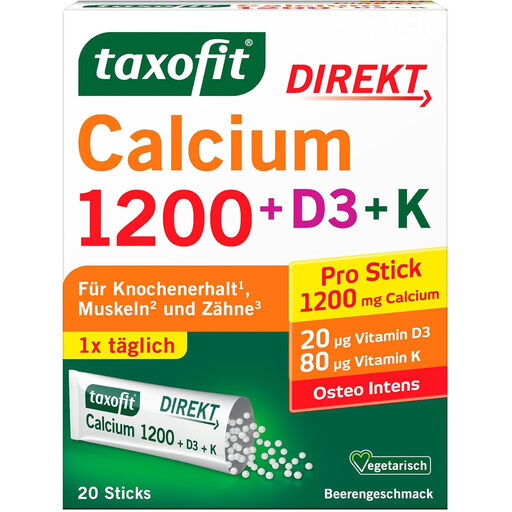
Why it suits this profile: The direct granules are intended for adults who want to take calcium, vitamin D3 and vitamin K without water.
The product description explicitly states 1200 mg of calcium per daily serving, combined with D3 and K. Total dietary intake should nevertheless be taken into account.
Vegetarian, gluten-free and lactose-free; 20 berry-flavoured sachets designed to be taken without liquid.
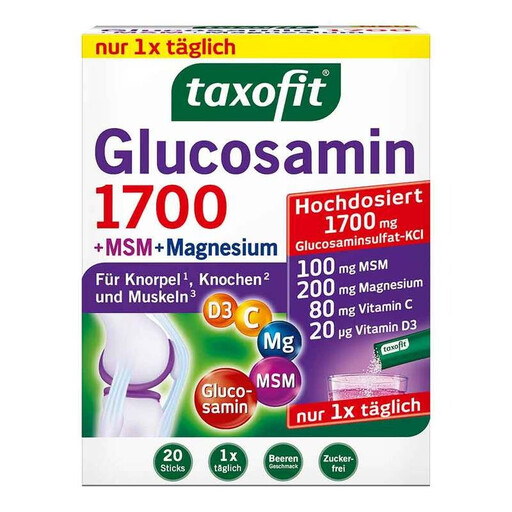
Why it suits this profile: One daily drink stick combines glucosamine, MSM, vitamin C, vitamin D3 and magnesium for users seeking several nutrients in a single product.
The formulation specifies 1700 mg of glucosamine sulphate and 100 mg of MSM per stick. Important: the product contains shrimp and is therefore unsuitable for people with a corresponding allergy.
One stick per day; according to the product information, sugar-free, gluten-free and lactose-free; 200 mg of magnesium and 20 µg of vitamin D per serving.
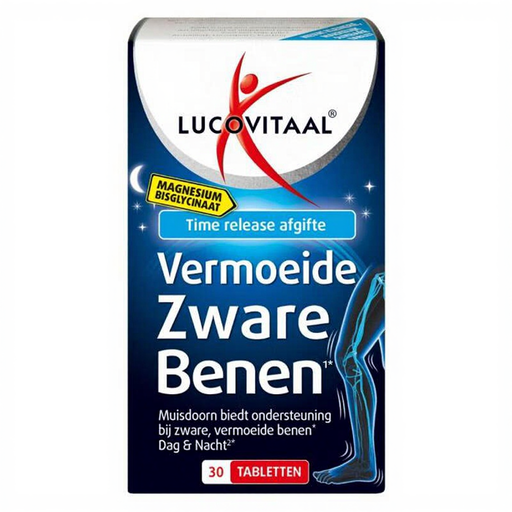
Why it suits this profile: The tablet format is designed for adults who want to combine magnesium with vitamins B3, B6 and C, as well as butcher’s broom.
The daily serving specifies 100 mg of elemental magnesium. This makes it easier to compare with other magnesium products, whose stated amounts may partly refer to the compound itself.
30 tablets; take once daily with plenty of water; according to the product information, with time-release formulation.
We have put together a current selection of products that can be compared using transparent criteria such as ingredients, dosage and format.
Follow the recommended daily serving stated on the packaging and do not use supplements as a substitute for a balanced diet. Calcium, vitamin D and magnesium products should not be combined without careful consideration. If you take medication, are pregnant or breastfeeding, have a known medical condition or suffer from allergies, consulting a doctor is advisable.
Also pay attention to the specific preparation instructions:
That depends on your individual diet and nutritional status. Calcium, vitamin D3 and, where appropriate, vitamin K are often offered in a combined formulation. Before taking such a product, check how much calcium you already consume through food and whether any medication or kidney problems need to be taken into account.
Magnesium contributes to normal muscle function and the normal functioning of the nervous system. Products such as Lucovitaal combine magnesium with additional vitamins and butcher’s broom. Persistent, one-sided or sudden symptoms should, however, be assessed medically rather than treated exclusively with a supplement.
There is no universally applicable duration of use. The decisive factors are the product information, dietary pattern and individual needs. Once a pack has been finished, you can assess whether continued use remains appropriate. If you take several products over an extended period, coordinating their use with a healthcare professional is recommended.