
Lieferung heute & morgen

Qualitätsgarantie

Willkommens-Angebote freischalten: KOSTENLOSE Lieferung | Bis zu 80 % RABATT | Kostenlose 30-Tage-JoyPlus-Testphase
App herunterladen
The market for dietary supplements is vast and often confusing. Countless products promise to support well-being and vitality, but not all of them deliver on their advertising claims. As a Joybuy Product Recommendation Officer, my job is to filter the information and provide you with practical guidance so you can make an informed decision that fits your individual needs.
Many shoppers invest in products that don't meet their expectations. This is often due to common misunderstandings and marketing strategies. Two frequent pitfalls are:
An informed purchase starts with understanding the key product features.
To make the right choice, it's helpful to look beyond mere advertising claims and focus on objective criteria. Three factors are particularly relevant.
Bioavailability indicates how well and how quickly a nutrient can be absorbed and utilised by the body. A product may contain a high dose of an active ingredient, but if it's in a poorly available form, only a fraction of it actually reaches your system.
Check the ingredient list for the exact chemical name of the nutrient.
The dosage should be based on individual needs and the official Nutrient Reference Values (NRV). A "100% NRV" label means that one daily dose covers the average daily requirement for an adult. In cases of a diagnosed vitamin D deficiency or iron deficiency, a higher dosage may be appropriate after consulting a doctor.
The delivery form also plays a role:
A short and clear ingredient list is often a good sign. Check the label for unwanted additives such as artificial colourings, unnecessary fillers, or allergens like lactose and gluten. For vegetarians and vegans, the "vegan" label is crucial, as capsule shells can be made from animal-derived gelatin, for example.
To make the selection easier, we have matched some products to different requirement profiles.
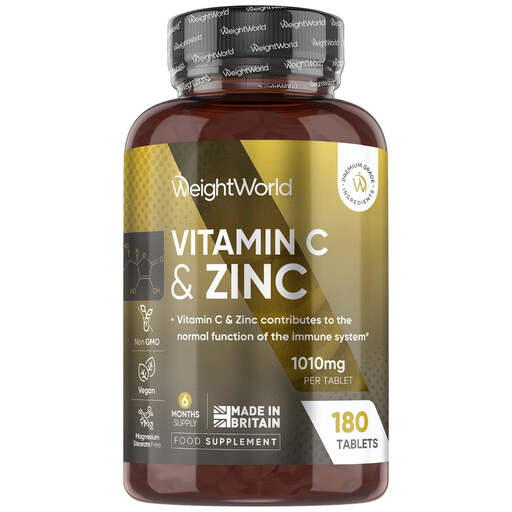
Why This Fits Their Persona: Ideal for individuals who want to specifically support their immune system, especially during the colder months. The combination of Vitamin C and Zinc is a well-established approach to promoting the normal function of the body's defences.
The product focuses on two synergistic nutrients in a clear dosage, rather than relying on a confusing blend of many substances. It avoids the trap of complex but ineffective formulations.
The formula contains high-dose Vitamin C (as ascorbic acid) and zinc citrate, a highly bioavailable form of zinc. The 6-month supply offers excellent value for money.
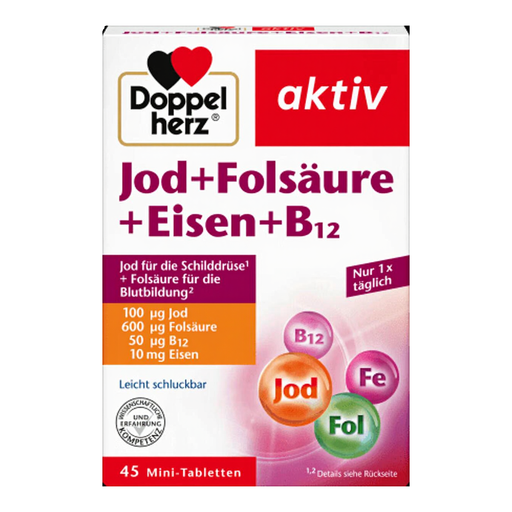
Why This Fits Their Persona: Specifically for women who are trying to conceive and during pregnancy, when there is an increased need for certain nutrients. Folic acid during pregnancy is a key concern, as the nutrient contributes to the normal development of the foetus.
This product addresses a clearly defined, scientifically supported need. It avoids vague health claims and focuses on a sensible combination of nutrients for a specific life stage.
Combines the three essential nutrients iodine, folic acid, and iron in one tablet. The dosage is tailored to the increased demand, which simplifies daily intake.
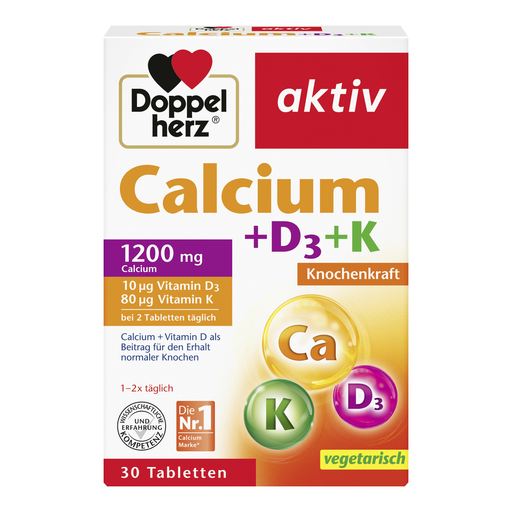
Why This Fits Their Persona: Suitable for active people, athletes, and individuals in the second half of life who prioritise maintaining normal bone and muscle function. Vitamin D is particularly relevant in Germany during the less sunny months.
This product bypasses the trap of ineffective combinations by pairing Calcium with Vitamin D3. Vitamin D contributes to the normal absorption and utilisation of calcium—a scientifically recognised synergy.
Offers a high dose of 1200 mg of calcium per daily serving (2 tablets) in combination with Vitamins D and K, which also contribute to the maintenance of normal bones.
If you want to specifically buy vitamins or order various dietary supplements online, you will find a comprehensive selection of products here that meet our criteria for clear labelling and sensible composition.
A balanced and varied diet is the foundation for good nutrient supply. In certain life situations (e.g., pregnancy, vegan diet, old age) or with a one-sided diet, the need for specific nutrients may be increased. Whether a supplement is right for you should ideally be discussed with a doctor or pharmacist who can assess your individual needs.
NRV stands for "Nutrient Reference Value." This value indicates what percentage of the recommended daily intake for an average adult is covered by one serving of the product. It serves as a uniform, Europe-wide reference value for consumer guidance.
Combining different products is possible but requires caution. Be careful not to permanently and uncontrollably exceed the recommended daily dose for individual nutrients, especially for fat-soluble vitamins (A, D, E, K) and certain minerals like zinc or selenium. When in doubt, seeking expert advice, for example from a pharmacy, is recommended.