
Lieferung heute & morgen

Qualitätsgarantie

Willkommens-Angebote freischalten: KOSTENLOSE Lieferung | Bis zu 80 % RABATT | Kostenlose 30-Tage-JoyPlus-Testphase
App herunterladen
By the Joybuy Product Recommendation Officer, July 28, 2026
The dietary supplement market can be overwhelming. Anyone looking to buy specific vitamins or correct a nutrient deficiency is often faced with marketing promises that are more confusing than helpful. Before you make a decision, it's useful to understand the most common pitfalls that lead to unnecessary expenses or unsuitable products.
Some common problems include:
A careful look at the details of a product's composition helps to bypass these hurdles and make an informed choice.
To find a suitable dietary supplement, you should check three core parameters. These will help you objectively assess product quality, regardless of advertising claims.
Bioavailability indicates how well and how quickly a nutrient can be absorbed by the body and transported to its site of action. A high dosage is of little use if the compound has low bioavailability.
The right dosage depends on individual needs. A "high-dose" formula may be sensible for a diagnosed Vitamin D deficiency, but it could be excessive for general supplementation. Check the dosage per tablet or daily dose and compare it with general intake recommendations.
The delivery form affects both intake and, in some cases, absorption:
A short and understandable ingredient list is often a good sign. Pay attention to the following points:
Based on these objective criteria, we have compiled a selection of products for typical use cases.
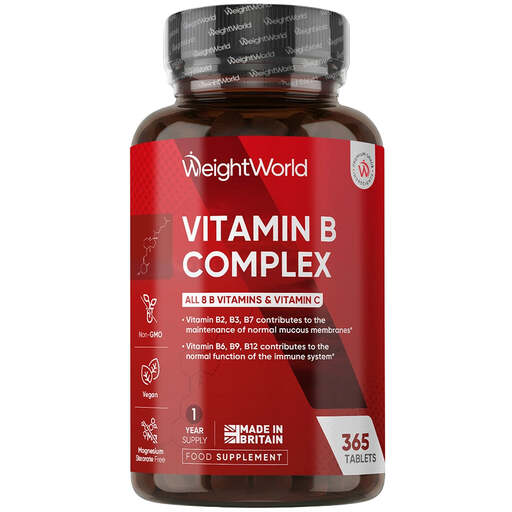
Why This Fits Their Persona: Ideal for users seeking a straightforward and cost-effective basic supply for the entire year. One tablet per day covers the full spectrum of B vitamins, simplifying the daily routine.
Instead of focusing on a single, high-dose B vitamin, this product offers a balanced Vitamin B Complex. The one-year supply also eliminates the recurring cost of smaller packages.
Contains all 8 essential B vitamins. The formula is vegan and free from gluten, lactose, and soy.
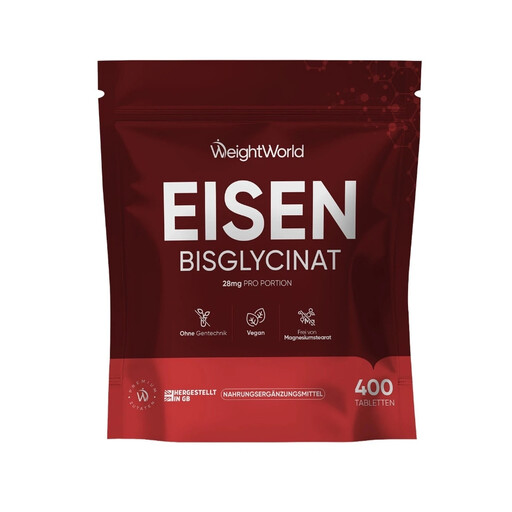
Why This Fits Their Persona: Suitable for people who want to specifically counteract an iron deficiency and value tolerability. The bulk pack for over a year offers peace of mind and planning security.
This product uses iron bisglycinate, a chelated form known for its high bioavailability and gentleness on the stomach. It bypasses the problem of conventional iron supplements, which often cause digestive issues.
Delivers 28 mg of elemental iron per tablet. The formula is vegan and free from common allergens.
Why This Fits Their Persona: Perfect for anyone who dislikes or is unable to swallow tablets. The fruit-flavoured gummy vitamins make daily intake for immune system support easy and enjoyable.
Despite the pleasant format, this product doesn't skimp on dosage. The gummies are high-dose with 4000 IU of Vitamin D3 per daily serving and use pectin as a gelling agent, making them vegetarian.
High dose of Vitamin D3 (Cholecalciferol). The formula is gelatin-free, gluten-free, and non-GMO.
We have compiled a complete, up-to-date list of products that fully meet these strict selection criteria and UK regulations.
Look for a transparent ingredient list, the specification of the exact nutrient compound (e.g., magnesium citrate instead of just magnesium), and the absence of unnecessary fillers, sugars, or artificial flavours. Certifications and allergen information are also positive indicators.
A one-year supply can be cost-effective and ensures you have a continuous stock without needing to constantly reorder. This is particularly practical for basic nutrients like a Vitamin B Complex or Vitamin D. However, always check the expiration date and store the products correctly (cool, dry, and protected from light).
Yes, with vegan supplements, it's important to check not only the active ingredient itself but also the excipients. For capsules, the shell should be made of plant-based cellulose (HPMC) instead of animal-derived gelatin. For gummies, pectin is a vegan alternative to gelatin. Look for a clear "vegan" label.