What should you look for when buying?
If you have known difficulties chewing or swallowing, first check which texture is right for you. You can then decide whether you’d prefer a sweet biscuit or a savoury cracker with your coffee.
| What to consider |
What to check when buying |
Who it matters to |
| Texture |
Check the product type and texture description. If you have difficulty chewing or swallowing, ask a healthcare professional which texture is right for you. |
If chewing or swallowing is difficult, I don’t want to choose a crunchy biscuit based on its name alone; around 36% of consumers put finding a suitable texture first. |
| Sweet coffee biscuit |
Know the difference between a Digestive and an oat shortcake; choose a salted cracker only if you’re specifically after a savoury contrast. |
With my coffee, I’d rather have a sweet biscuit than a salty snack. Around 29% of consumers put this taste preference first when choosing. |
| Sugar and ingredients |
Compare the nutritional information per 100 g and the ingredients list; check the consumption advice for biscuits containing sweeteners. |
If certain ingredients or the sugar content matter to me, I want to be able to spot the differences on the pack before deciding; around 21% of consumers make this their top priority. |
| Savoury nibbles |
Consider the salted crackers, their salt content and the ingredients in any topping you plan to use. |
For a coffee get-together with savoury toppings, I’m looking for a cracker rather than a Digestive. This is the main consideration for around 14% of consumers. |
Sweet biscuit alternatives at Joybuy
These products are sweet biscuit alternatives for enjoying with coffee. They differ from a classic Digestive, so compare the type of biscuit, the information on the pack and the texture that’s right for your get-together.
 Image unavailable
Coppenrath Sugar-Free Viennese Sand Ring Biscuits, 200 g
A sweet biscuit option for coffee get-togethers if you’re not looking for a classic Digestive. Check the ingredients and consumption advice on the specific pack; if you have difficulty chewing or swallowing, you’ll need to establish which texture is right for you.
View at Joybuy
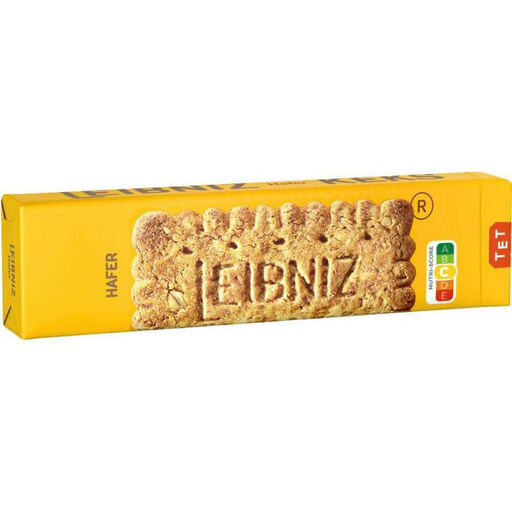 Image unavailable
Leibniz Oat Crunchy Butter Biscuits, 230 g
An oat biscuit alternative for anyone who’d prefer a sweet biscuit with coffee rather than a salted cracker. This isn’t a classic Digestive; compare the nutritional information and, if needed, check whether the crunchy texture is right for you.
View at Joybuy
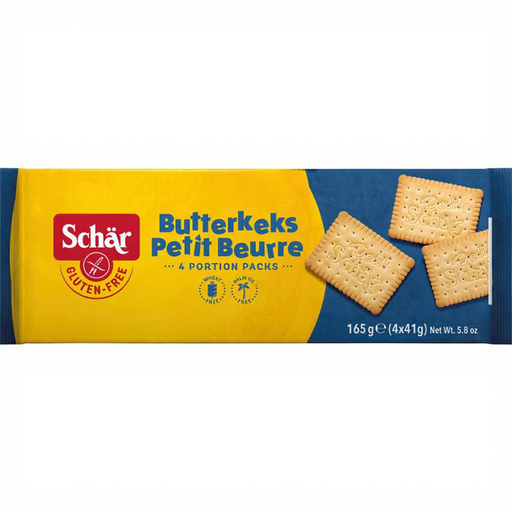 Image unavailable
Schär Gluten-Free Petit Beurre Butter Biscuits, 165 g
Petit Beurre butter biscuits make a sweet accompaniment to coffee, but they aren’t Digestives. If certain ingredients or a particular texture matter to you, check the information on the specific pack and seek individual advice if you have existing difficulties chewing or swallowing.
View at Joybuy
Frequently asked questions
Is a Digestive better than a cracker with afternoon coffee?
For a sweet coffee break, a Digestive or oat shortcake is the more obvious choice; a salted cracker is an option for savoury toppings. The right choice also depends on the ingredients and the texture that’s right for you.
How can I compare the sugar content of different biscuits?
Compare the “of which sugars” line in the nutritional information, using the same basis, such as per 100 g. The products listed by REWE contain less than 0.5 g per 100 g for Coppenrath Hafer Cookies zuckerfrei, 15.1 g for McVitie's Digestive The Original and 25 g for Brandt Hobbits kernig. For biscuits containing sweeteners, also take the ingredients and consumption advice into account.
What should I bear in mind with biscuits containing sweeteners?
Read the ingredients list and consumption advice on the specific pack. The Coppenrath Hafer Cookies zuckerfrei listed by REWE carry a warning that excessive consumption may have a laxative effect; your personal tolerance is also important when deciding on a portion size.
Where can I check the allergens in biscuits and crackers?
Check the ingredients and allergen information on the specific pack, even if you already know the product. The products described here differ in their wheat, milk and egg content, among other things, and in whether they warn of possible traces of other ingredients. Verbraucherzentrale highlights ingredients and allergens as important food labelling information.
Which biscuits are suitable if you have difficulty chewing or swallowing?
You can’t determine which product is suitable from the type of biscuit alone. Verbraucherzentrale describes difficulties chewing and swallowing in later life as individual; if you have known difficulties, ask a healthcare professional which texture is right for you before serving crunchy or dry biscuits.


