
Lieferung heute & morgen

Qualitätsgarantie

Willkommens-Angebote freischalten: KOSTENLOSE Lieferung | Bis zu 80 % RABATT | Kostenlose 30-Tage-JoyPlus-Testphase
App herunterladen
A nagging stomach ache, an uncomfortable feeling of fullness after eating, or pesky gas—mild digestive issues can significantly impact your daily life. In these moments, many people reach for a cup of tea to find relief. However, the market can be overwhelming, and not every product that promises quick help is a good choice. Before you make a purchase, it's important to know the most common pitfalls.
Common Pitfalls When Buying Digestive Tea
To find a tea that suits your needs, you should focus on objective criteria rather than trusting advertising claims.
The foundation of a good digestive tea is a blend of proven medicinal plants. Instead of searching for exotic new discoveries, it's wise to rely on a combination of classic herbs traditionally used to support digestion.
A good herbal tea for digestion either combines these active ingredients effectively or focuses on one main ingredient of high quality.
This criterion is crucial for setting your expectations for the product.
For acute symptoms like stomach cramps or severe bloating, a medicinal tea can offer more targeted support.
Instead of making a one-size-fits-all recommendation, we have compiled products for different user profiles.

Why this product is a good fit: This product is designed for users seeking a targeted, reliable solution for acute, mild gastrointestinal issues. It is clearly declared as a medicinal tea and focuses on a proven formula.
As a medicinal tea, it is subject to strict quality controls, thus avoiding the pitfall of unclear classification and vague wellness promises. It contains no added flavours or sugar.
The blend of chamomile flowers, peppermint leaves, and caraway addresses mild cramps, bloating, and feelings of fullness. The quality of the ingredients is tested according to pharmacopoeia standards.
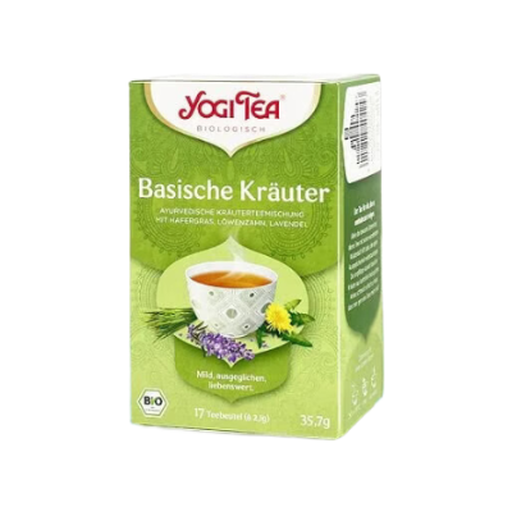
Why this product is a good fit: Ideal for health-conscious individuals who prefer a gentle, everyday digestive tea of organic quality to support general well-being.
This product avoids the pitfall of hidden additives with a transparent ingredient list from controlled organic farming. It is clearly positioned as a food product (herbal tea) and not as a medicinal tea.
The composition of mild herbs like oat grass and lavender offers a pleasant taste experience. All ingredients come from certified organic farming.
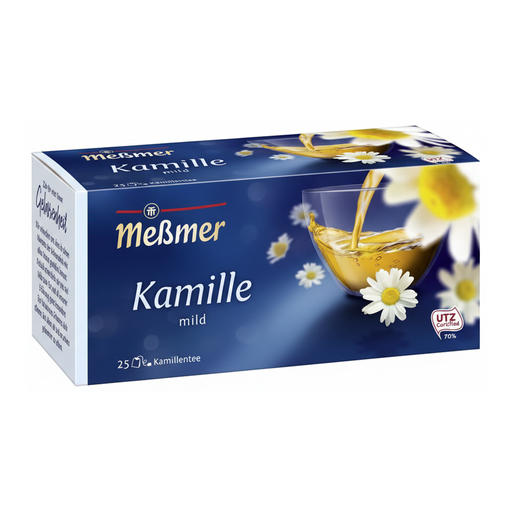
Why this product is a good fit: For anyone who trusts in the pure power of a single plant and wants to avoid any blends or additives. A classic tea for stomach aches.
This product consists of 100% chamomile. There are no hidden additives or misleading marketing terms. You get exactly what's on the package.
Pure chamomile flowers of UTZ-certified quality. The tea is gluten-free and lactose-free, offering a mildly aromatic taste experience for moments of relaxation.
To preserve the freshness and efficacy of your herbal teas, proper storage is key. Discover our selection of containers that protect your teas from light and moisture.
For medicinal teas, you should always follow the recommendation on the packaging. For the Bad Heilbrunner Stomach and Intestinal Tea, for example, 3 to 4 cups daily are recommended. For general herbal teas (food products), 2 to 3 cups spread throughout the day are generally safe.
Teas containing caraway, fennel, or anise are traditionally used to relieve bloating and a feeling of fullness. Peppermint tea can also be helpful due to its relaxing effect on the digestive muscles.
A medicinal tea is an approved medicinal product whose quality, purity, and active ingredient content are strictly regulated by the German Pharmacopoeia. It is intended for the relief of specific, mild symptoms. A regular herbal tea is considered a food product and is subject to less stringent requirements regarding active ingredient content. It is primarily for enjoyment.