What to look for when buying
First decide whether you’d prefer a sweet biscuit or a savoury cracker. Then check the nutrition information and, if you need to avoid certain ingredients, the labelling on the specific pack.
| What to consider |
What to check |
Who it matters to |
| Sugar and nutrition |
Compare sugar, fat and fibre per 100 g, as well as the portion you plan to eat. |
I’d like a sweet snack, but I also want to know how its nutritional values fit with my usual portion. For around 33% of consumers, this is the main consideration. |
| Digestive flavour |
Check the type of biscuit, grain ingredients and pack format of the variety you want. |
For coffee or tea, I’m mainly looking for the flavour and texture of a classic digestive biscuit. Around 27% of consumers say this matters most to them. |
| Savoury snack |
Check the salt per 100 g and whether it’s suitable for eating on its own, dipping or adding toppings. |
If I want something savoury to take with me or add toppings to, a sweet biscuit won’t fit the bill. This savoury use is the main reason for buying among around 20% of consumers. |
| Ingredients and dietary requirements |
Read the gluten or lactose information, ingredients and may-contain statements for each variety. |
I need to avoid certain ingredients, so I can’t rely on the brand name alone. For around 20% of consumers, finding the right labelling comes first. |
Brands to help guide your choice
The information below relates to specific digestive biscuit and cracker varieties. It doesn’t necessarily apply to every product from each brand.
McVitie's
A go-to brand for classic sweet digestive biscuits. REWE stocks The Original, among other options, as well as individually wrapped Wheatmeal Biscuits.
- For Digestive The Original, REWE lists wheat with wholegrain and 3,7 g of fibre per 100 g.
- According to REWE, the same variety contains 15,1 g of sugar, 21,3 g of fat and 1,3 g of salt per 100 g. It contains wheat and may contain milk.
Schär
A brand with digestive biscuits made from different ingredients, including Landtaler Digestive and Digestive Choc.
- REWE lists Landtaler Digestive as gluten-free, wheat-free, vegan and lactose-free; it contains 7,4 g of fibre per 100 g.
- Digestive Choc contains milk chocolate. Landtaler Digestive may contain traces of lupin and egg, so check the labelling matches the variety you’ve chosen.
Tuc
Tuc Original is a salted cracker for a savoury snack, rather than a sweet digestive biscuit.
- REWE describes a 30 g portion of Tuc Original as approximately eight crackers.
- For this variety, REWE lists 1,7 g of salt per 100 g, with wheat, barley and egg as ingredients; it may contain soya and milk.
Ritz
Ritz Crackers are another salted option, suitable for eating on their own or serving as canapés.
- For the Ritz Crackers stocked by REWE, 30 g is approximately eight crackers; the stated fibre content is 3,3 g per 100 g.
- The product information lists 1,3 g of salt per 100 g, as well as wheat and malted barley flour; it may contain milk.
Savoury crackers at Joybuy
These products suit the savoury side of your mid-morning snack choice: one is a multipack, while the other is labelled gluten-free. They’re not a like-for-like replacement for a classic sweet digestive biscuit.
 No image available
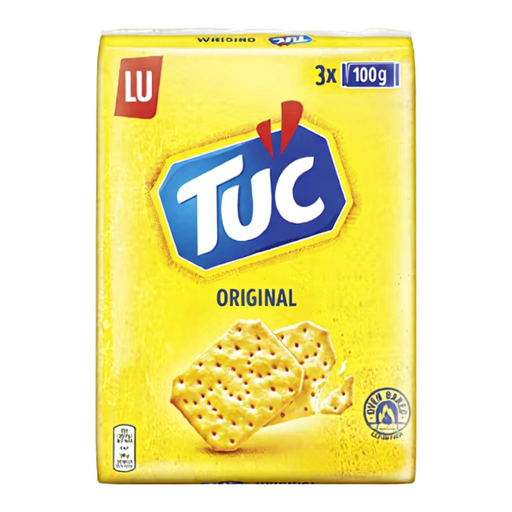
TUC Original salted crackers, 3 × 100 g
A savoury snack option if you’re looking for a multipack rather than a single pack. The product name specifies three packs of 100 g each.
If you’d like to compare the salt content with other crackers, check the value on the current pack of this variety. Don’t assume the portion information for another Tuc pack applies to this multipack.
View at Joybuy
 No image available
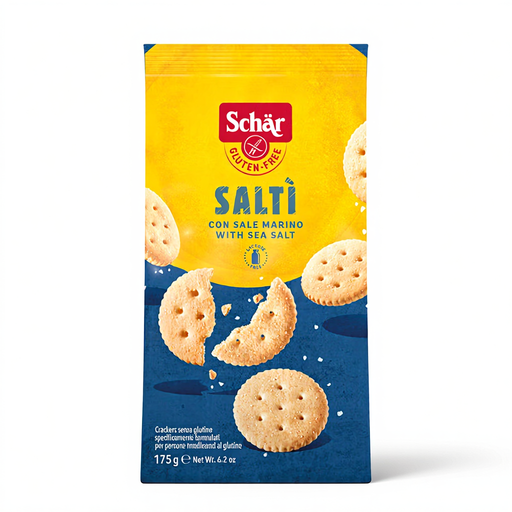
Schär Saltí gluten-free salted crackers, 175 g
A savoury snack if you’re specifically looking for crackers labelled gluten-free. The product name states that the pack contains 175 g.
If you’re following an exclusion diet, also check the current ingredients list and any may-contain statements. Information about Schär Landtaler Digestive doesn’t automatically apply to Saltí.
View at Joybuy
Frequently asked questions
Does ‘digestive’ mean a biscuit aids digestion?
No. The name alone doesn’t indicate a specific effect on digestion. If you’re choosing a digestive biscuit, the ingredients list, nutrition information and portion you plan to eat tell you more about the product.
How can I tell how much wholegrain a digestive biscuit contains?
Check the ingredients list for the specific variety. According to REWE’s product information, McVitie's Digestive The Original contains 16% wholemeal wheat flour; the phrase ‘with wholegrain’ on its own doesn’t tell you the amounts of other grain ingredients.
Are gluten-free digestive biscuits also lactose-free?
Not necessarily: REWE lists Schär Landtaler Digestive as gluten-free and lactose-free, whereas Schär Digestive Choc contains milk chocolate. If you need to avoid anything, also check the ingredients and any may-contain statements on the pack you’ve chosen.
What should I do with crackers or biscuits after opening?
Follow the storage instructions on the pack and keep opened crackers or biscuits somewhere dry. The best-before date applies to the unopened product when stored correctly; according to the German food industry association, it isn’t a blanket use-by date.


