
Lieferung heute & morgen

Qualitätsgarantie

Willkommens-Angebote freischalten: KOSTENLOSE Lieferung | Bis zu 80 % RABATT | Kostenlose 30-Tage-JoyPlus-Testphase
App herunterladen
A digital camera can be a worthwhile alternative to a smartphone if you want to take photographs deliberately, use optical zoom or record videos with greater control. The choice ranges from a simple camera for beginners and a compact camera for travel to a system camera for photography and video.
However, technical specifications such as “4K”, “64 MP” or “18x zoom” do not automatically indicate that a camera is right for you. What matters is how these figures are achieved and whether they suit your intended use.
A specification such as 48 MP, 64 MP or 80 MP may sound impressive. However, some affordable models use interpolated resolutions. This means that additional pixels are generated digitally. The actual sensor resolution may be considerably lower.
Sensor size, lens, lighting conditions and image processing also affect image quality. A camera with fewer megapixels can produce more balanced results in difficult lighting conditions than a model with a high interpolated resolution.
An offer for a camera with zoom should clearly distinguish between optical and digital zoom. With optical zoom, the lens changes the frame. Digital zoom, on the other hand, enlarges part of the image and can reduce detail.
For travel, wildlife photography or distant subjects, the specification for optical zoom is therefore particularly important. With compact entry-level models, you should also check whether the focal length is flexible enough for interiors and landscapes.
A 4K digital camera can record videos at a high resolution. For vlogging and moving footage, however, autofocus, stabilisation, microphone input, frame rate, storage requirements and battery life are also important.
Product specifications are not always presented consistently, either. On one model, 4K may be the maximum setting, while another camera may only offer 4K with limitations affecting frame rate or stabilisation. You should therefore check the full technical specifications rather than relying solely on the brief description.
For everyday photography, travel and social media, a moderate genuine resolution is sufficient for many users. More important than the highest possible number are:
According to the available product data, the Sony Alpha 6100 features a 24.2 MP CMOS sensor, a Sony E-mount and supports JPEG and RAW, among other formats. This means you can expand the system later with additional compatible lenses.
A camera with autofocus should recognise subjects reliably and adjust focus as quickly as possible. The following factors are relevant, not just the advertised response times:
The Sony Alpha 6100 is specified with an autofocus response time of 0.02 seconds, eye autofocus for people and animals, and continuous shooting at up to 11 frames per second. This is particularly useful for moving subjects and spontaneous shots.
A tilting or swivelling display makes it easier to shoot from low angles and can be helpful on a vlogging camera. For video, a microphone input or compatible audio transmission is also important.
Before buying, check the following:
Not every camera supports USB charging. According to the product description, the Sony Alpha 6100 uses an external charger; USB charging is not supported on this version. A suitable memory card is not included with several of the models mentioned.
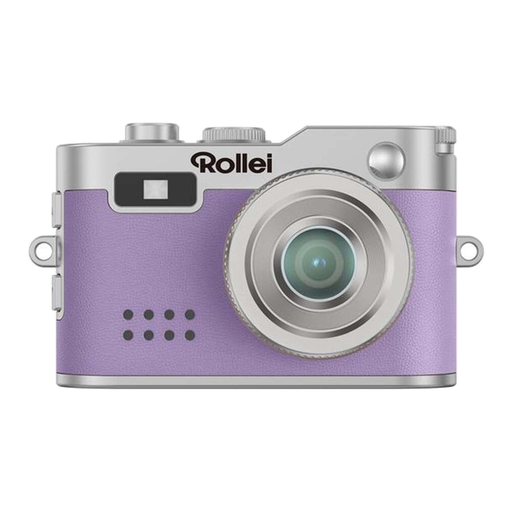
Why this product suits this profile: Weighing 18 g and offering 2 MP photos, Full HD video, voice memo and webcam functionality, this mini digital camera is ideal for simple snapshots and getting started with photography.
The modest resolution helps prevent unrealistic expectations of professional image quality. Its technical features are clearly designed for everyday use and beginners.
18 g weight, USB-C transfer via adapter, built-in LED light and five colour filters.
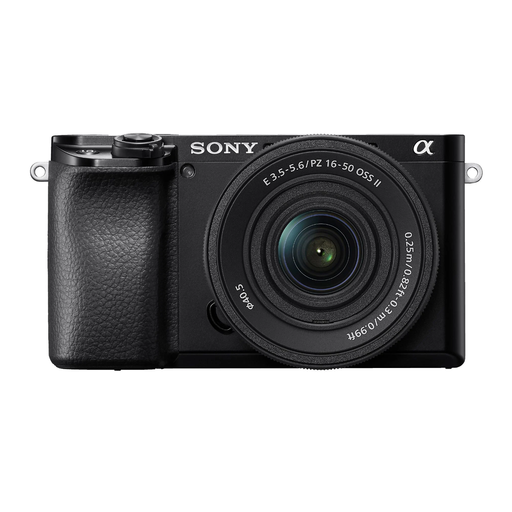
Why this product suits this profile: This compact system camera combines a 24.2 MP sensor, a 16–50 mm power zoom lens, 4K recording and a tilting display.
The genuine sensor resolution and interchangeable lens provide a clear foundation for photography and video, rather than relying solely on interpolated megapixels in the marketing.
0.02-second autofocus according to the product data, eye detection and up to 11 frames per second with AF/AE tracking.
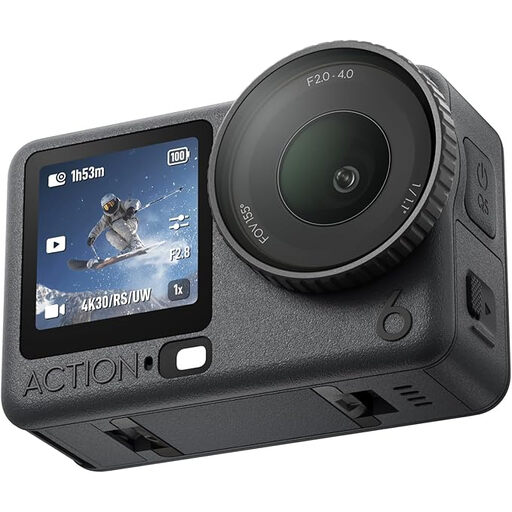
Why this product suits this profile: This action camera is aimed at users who want to record sport, outdoor activities or dynamic vlogs.
The specifications identify clear limitations: without an additional housing, the device is not generally waterproof; the ports must therefore be protected accordingly.
1/1.1-inch sensor, variable aperture, 4K/240fps according to the product name, 50 GB integrated storage and a stated diving depth of up to 20 m without housing.
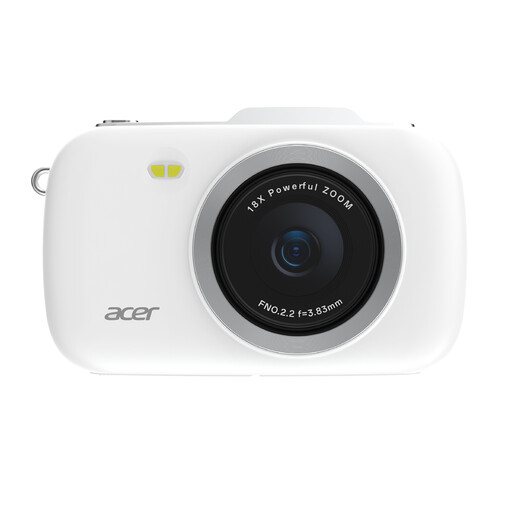
Why this product suits this profile: This portable point-and-shoot camera is designed for simple operation, travel photography and first attempts at vlogging.
The camera is not specified as waterproof. When travelling or when the camera is used by teenagers, you should take water, heat, drops and loose small parts into account.
The product name mentions 4K video, 80 MP UHD and 18x zoom; you should check the specific recording and zoom methods before buying.
In addition to the purchase price, you may incur ongoing costs for a microSD card, spare battery, charger, camera bag, tripod or microphone. With a system camera, you may also add further lenses later. This increases flexibility, but also the overall budget.
For children and teenagers, age ratings and safety information are important. Small memory cards, adapters and batteries should not be handled by children under three. Cameras should be protected from moisture, heavy impacts and excessive heat. You should also check whether a memory card is included or needs to be purchased separately.
We have put together a complete, regularly updated list of products that fully meet these strict selection criteria and the safety regulations applicable in the EU.
A simple compact camera with easy-to-understand automatic settings, autofocus and straightforward controls is generally more accessible for beginners. If you would later like to change lenses or work more manually, you could consider a system camera such as the Sony Alpha 6100.
Battery life depends on display brightness, autofocus, video resolution, Wi-Fi and temperature. Some mini digital cameras have a limited battery life. For longer trips or video recording, a spare battery or power bank may be useful, provided the model supports it.
Not necessarily. 4K is useful if you plan to crop videos later, watch them on a suitable screen or save them with a high level of detail. Full HD may be sufficient for short clips and simple playback. Stabilisation, storage requirements, battery life and the desired file size are equally important.