
Lieferung heute & morgen

Qualitätsgarantie

Willkommens-Angebote freischalten: KOSTENLOSE Lieferung | Bis zu 80 % RABATT | Kostenlose 30-Tage-JoyPlus-Testphase
App herunterladen
Choosing a digital camera depends heavily on its intended use case. The technical specifications of different camera types, such as compact cameras, action cams, or specialised vlogging cameras, are tailored to different needs. This guide analyses the key technical parameters to help you make an informed choice.
The decision to buy a digital camera should be based on an analysis of objective performance metrics. The following criteria are relevant for your evaluation.
Image quality is primarily determined by the physical size of the image sensor, not just the megapixel count. A larger sensor can capture more light, resulting in better noise performance and higher image quality, especially in low-light conditions. The resolution, measured in megapixels (MP), defines the image's level of detail. A high MP count is beneficial for large prints or cropping, but it can lead to increased image noise on small sensors.
Modern cameras often feature 4K camera capabilities (3840 x 2160 pixels) or higher. A higher resolution, such as 5K, allows for more flexibility in post-production, like cropping footage without losing quality. The frame rate, measured in frames per second (fps), is crucial for rendering smooth motion. 24 or 30 fps is standard for cinematic footage, while 60 fps or more is needed for smooth slow-motion shots.
Effective image stabilisation is crucial for minimising camera shake. There are two main types:
Features like Wi-Fi for transferring images to a smartphone or a port for an external microphone are highly relevant for content creators and vloggers. A hot shoe allows you to attach external accessories like more powerful flash units.
Based on the technical criteria above, here are a few models with different specialisations.
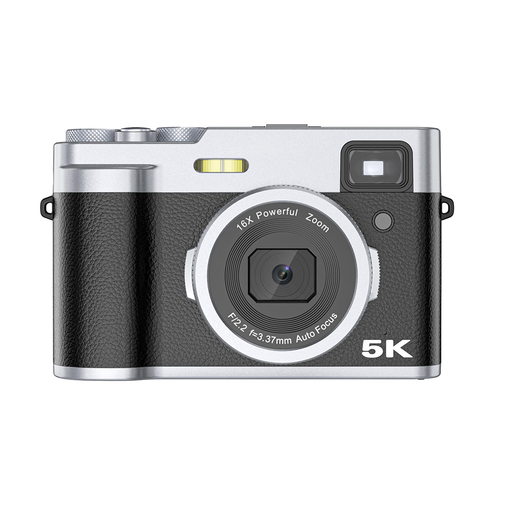
Why We Recommend This Product This model combines a retro design with a comprehensive set of technical features. The ability to record video in 5K resolution and a high photo resolution of up to 48 MP (interpolated) provide a solid foundation for detailed shots. The optical viewfinder is a feature rarely found in this camera class, enabling classic, screen-free composition.
Pros
Who It's For This model is aimed at beginners, students, and hobbyist photographers looking for a versatile compact camera with advanced features like an external microphone port and an optical viewfinder.
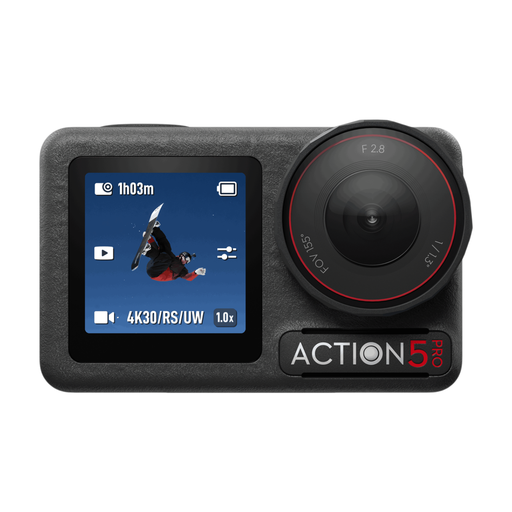
Why We Recommend This Product The DJI Osmo Action 5 Pro is a specialised action cam designed for demanding environments. Its 1/1.3-inch sensor delivers good low-light performance. The 360° HorizonSteady stabilisation ensures stable footage even during extreme movements. According to the manufacturer, the camera is waterproof down to 20 metres without an additional housing.
Pros
Who It's For This camera is designed for adventurers, athletes, and content creators who need a rugged, high-performance, and waterproof camera for dynamic scenarios like cycling, diving, or motorcycle vlogging.
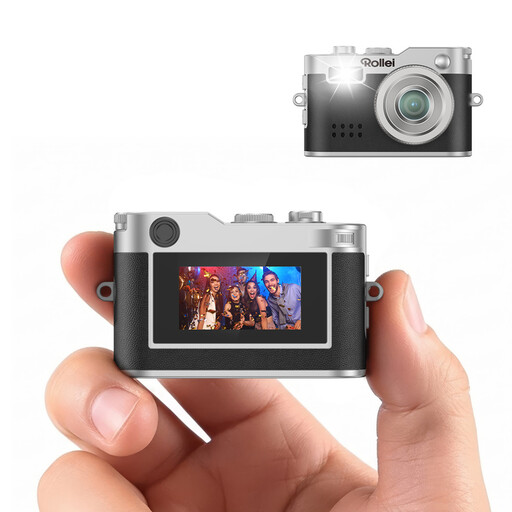
Why We Recommend This Product The Rollei Mini Digital Camera stands out for its extremely compact form factor and low weight of just 18 grams. It is designed as a mini digital camera for constant use. Despite its size, it records video in Full HD (1080p) and can be used as a webcam. The included USB-C adapter allows for direct data transfer to smartphones.
Pros
Who It's For This model is suitable for users looking for an extremely portable camera for spontaneous snapshots, short video clips, or as a discreet webcam. Its size makes it a handy gadget for daily life and social media.
The products featured here cover specific use cases. If these models don't perfectly match your needs, you can find a wider selection of devices with different specifications in our main Recording Camera category.
1. What is more important in a digital camera: megapixels or sensor size? Sensor size is generally the more critical factor for image quality. A larger sensor can capture more light, leading to less image noise and better performance in low-light conditions. Megapixels are relevant for detail resolution, but a high count on a small sensor can negatively impact image quality.
2. Do I need a 4K camera for vlogging? A 4K camera is beneficial for vlogging but not strictly necessary. 4K footage offers a higher level of detail and more flexibility in post-production, such as cropping to a Full HD frame without losing quality. For beginners, or for direct publishing without extensive editing, a good 1080p resolution is often sufficient.
3. What is the difference between a compact camera and an action cam? A compact camera is an all-rounder for everyday photography and videography, focusing on image quality and ease of use. An action cam is specialised for durability and use in extreme conditions. It is typically waterproof, shockproof, and features advanced image stabilisation for action shots, but often has a fixed-focal-length, wide-angle lens.