
Lieferung heute & morgen

Qualitätsgarantie

Willkommens-Angebote freischalten: KOSTENLOSE Lieferung | Bis zu 80 % RABATT | Kostenlose 30-Tage-JoyPlus-Testphase
App herunterladen
A digital camera for teenagers should be easy to use, robust enough for everyday life and versatile enough for a range of activities. Many models promote high megapixel counts, 4K video or powerful zoom. However, these specifications alone do not show whether a camera is genuinely suitable for school, travel, creative projects or YouTube videos.
Compact cameras often highlight specifications such as 48 MP, 64 MP or 80 MP. What matters is whether this is a native sensor resolution or an interpolated figure. Interpolation increases image data mathematically, but does not automatically create more genuine detail.
For occasional snapshots, social media posts and school projects, a moderate resolution may be sufficient. Easy-to-understand controls, reliable focusing and suitable low-light performance are more important.
An optical zoom changes the field of view using the lenses. Digital zoom enlarges part of an image, which can result in lost detail. If you are looking for a camera for travel, sporting events or nature photography, check carefully whether the stated zoom is optical, digital or a combination of both.
With a 4K digital camera, you should consider the frame rate as well as the resolution. Stabilisation, audio recording, autofocus and storage options are also important. A high video resolution is of little benefit if footage is badly shaken during movement or the internal storage fills up quickly.
For a digital camera for beginners, a clear menu with straightforward automatic modes is recommended. A tilting or rotating display makes it easier to shoot from unusual angles and can be helpful for vlogging. An optical viewfinder, on the other hand, is useful when the display is difficult to see in bright sunlight.
Electronic image stabilisation can reduce camera shake in videos and spontaneous shots. However, it cannot replace steady camera work or mechanical stabilisation. With autofocus, a fast response time and reliable subject tracking are more useful than purely promotional specifications.
A camera for school pupils should be compatible with a microSD or SD card. Before buying, check whether a memory card is included. For longer video recordings, battery capacity, charging options and spare batteries are important considerations. If you want a camera for YouTube or use as a webcam, also check for a microphone input, USB connection and compatibility with the smartphone or computer you use.
A compact digital camera is more likely to be taken along if it fits in a school backpack or jacket pocket. For outdoor activities, you should also check whether the model is waterproof. Not every small camera is suitable for rain, swimming or sand. Warnings such as “not waterproof” should be taken seriously.
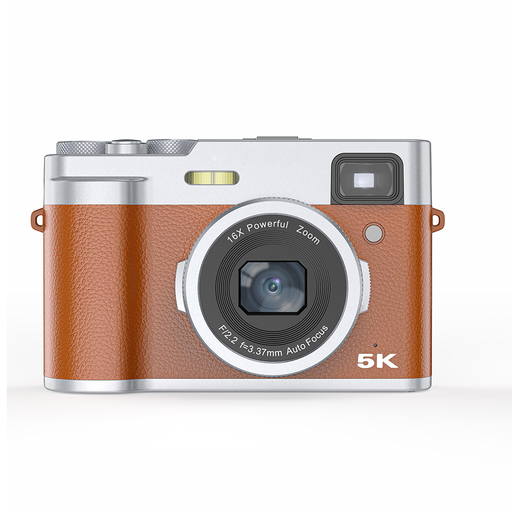
Why this product suits the profile: According to the product description, this compact camera is aimed at school pupils, teenagers and beginners. Front and rear cameras, autofocus, Wi-Fi transfer and a connection for an external microphone cover several typical everyday situations.
The product specifications explicitly state the interpolated image resolution. This makes it easier to assess the MP figure realistically. Electronic stabilisation and a focusing aid for low-light conditions are also listed.
5K recording at up to 30 fps, 2.8-inch IPS display, optical viewfinder and built-in flash.
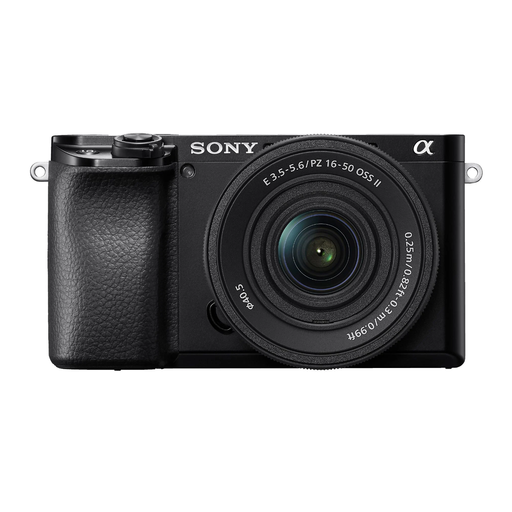
Why this product suits the profile: This mirrorless system features a 24.2 MP APS-C sensor, a 16–50 mm power zoom lens and a tilting display. It is suitable for photography beginners who may want to use additional lenses later on.
The native sensor resolution is clearly specified. Buyers can also choose between the supplied lens and Sony E-mount lenses available later, rather than relying solely on digital zoom.
Autofocus with eye detection, continuous shooting at up to 11 frames per second and 4K video recording.
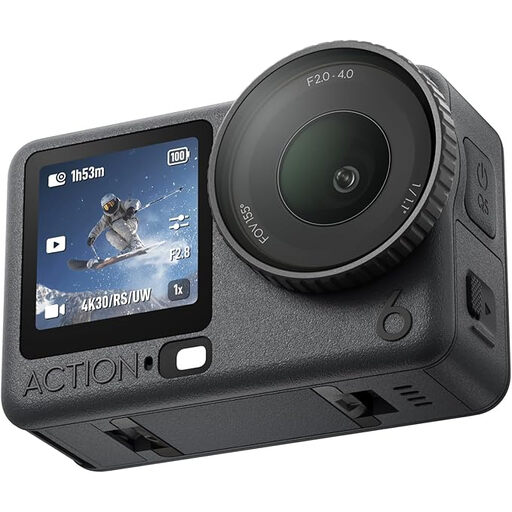
Why this product suits the profile: For sport, outdoor footage and dynamic vlogging, an action camera with a waterproof housing and stable video orientation is more practical than a traditional compact camera.
The product description states that it can be used down to 20 m without a housing. This is a specific limitation, not a general promise for every water-based situation. Connections must be closed before using the camera in water.
4K video, variable aperture, 50 GB of built-in storage and a stated battery life of up to 4 hours under normal conditions.
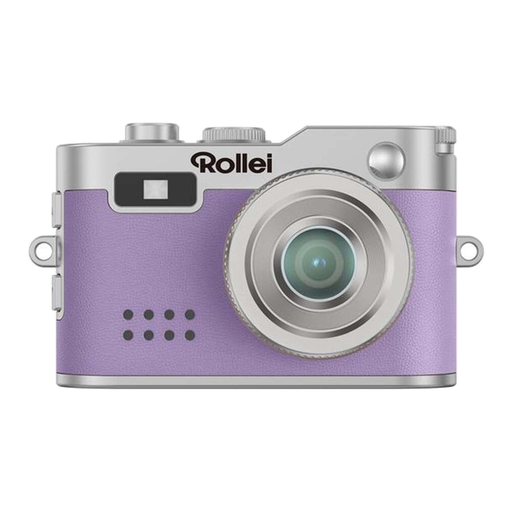
Why this product suits the profile: Weighing 18 g and measuring 31 × 20 × 54 mm, this mini camera is ideal for a keyring, jacket pocket and spontaneous everyday photos.
The technical specifications clearly state that it takes 2 MP photos and records Full HD video. This means the camera should not be confused with a 4K model, but is instead aimed at users with basic requirements.
Full HD video, five built-in colour filters, LED light, voice recorder function and wired webcam mode.
We have put together a complete, regularly updated list of products that fully meet these strict selection criteria and the safety regulations applicable in the EU.
For beginners, a model with automatic modes, autofocus, an easy-to-understand menu and an easily accessible shutter button is a sensible choice. If you initially want to take photos without complications, you can start with a compact digital camera. A system camera offers more settings for developing your skills later on.
This depends on the resolution and video format. For occasional photos, a compatible memory card with a modest capacity is sufficient. Anyone who regularly records 4K videos or longer vlogs will need more storage and should transfer files to a computer or smartphone regularly.
Battery life varies depending on display brightness, resolution, autofocus, Wi-Fi and temperature. When recording video, the battery usually runs down more quickly than when taking individual photos. For days out, it is advisable to charge the battery fully beforehand and, if recommended by the manufacturer, take a spare battery or power bank.