
Lieferung heute & morgen

Qualitätsgarantie

Willkommens-Angebote freischalten: KOSTENLOSE Lieferung | Bis zu 80 % RABATT | Kostenlose 30-Tage-JoyPlus-Testphase
App herunterladen
A precise digital kitchen scale is the foundation for perfectly baked goods, accurately portioned meals, and sticking to nutrition plans. Yet, the market is flooded with models whose advertised features often fail to deliver in practice. Before you make a decision, it's crucial to understand the common pitfalls that can lead to frustration and a wasted purchase.
As your Joybuy Product Recommendation Officer, I'm here to help you separate the wheat from the chaff. We'll focus on the objective criteria that define a good electronic kitchen scale and ignore empty marketing promises.
To avoid a bad buy, you should focus on three core technical features. These determine the functionality and longevity of your future scale.
Accuracy is indicated in increments, usually 1g. This means the scale can display weight changes in 1-gram steps. However, also pay attention to the minimum load—the smallest weight the scale can reliably detect. This value is critical for weighing yeast, spices, or medication. A maximum capacity of 5 kg is sufficient for most households, while models with 10 kg or more may be useful for preparing large quantities (meal prep).
The choice of form factor depends on your primary use case.
A scale with a tare function (also known as an add-and-weigh function) is an absolute must. It allows you to zero out the weight of a container before adding an ingredient, so you only weigh the net contents. You can also reset the display to zero after each added ingredient to weigh subsequent items in the same bowl. This saves time and washing up, and is essential for a precise baking scale.
Here are some models that are well-suited for specific user profiles based on their objective features.
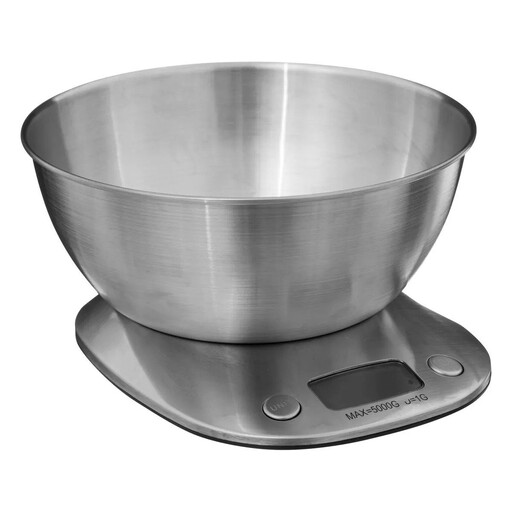
Why This Fits Their Persona: Ideal for anyone who bakes regularly and is looking for a straightforward, functional solution. The integrated bowl makes weighing flour, sugar, and liquids especially easy.
The removable and dishwasher-safe stainless steel bowl avoids the hygiene pitfall of hard-to-clean devices. Its operation is streamlined to the essentials.
Integrated bowl for direct weighing; Tare function and simple operation; Runs on standard AAA batteries.
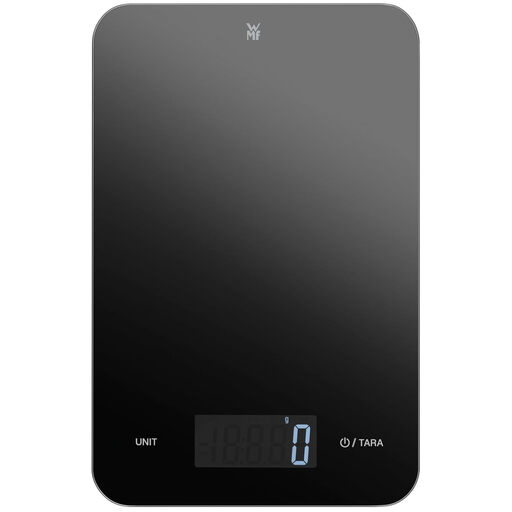
Why This Fits Their Persona: Perfect for modern kitchens and users who value aesthetics, precise portion control, and easy cleaning. The flat design allows for weighing directly on a plate.
The seamless safety glass surface is extremely easy to clean and prevents hygiene issues. The auto-off feature helps to conserve battery life.
Ultra-slim, space-saving design; high-quality, easy-to-clean glass surface; also measures liquid volume (ml).
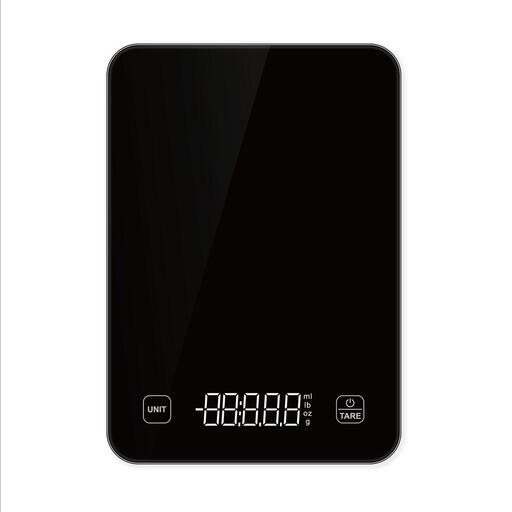
Why This Fits Their Persona: For users who take a scientific approach to their nutrition and want to track calories and macronutrients precisely. The high capacity is ideal for weekly meal-prepping.
The app integration provides advanced functionality that goes beyond a simple weight display, creating real added value for nutrition planning. The high capacity prevents overload.
High capacity of 10 kg; Bluetooth connection to app for nutritional analysis; tempered glass surface for easy cleaning.
We've compiled a complete, up-to-date list of products that fully meet these strict selection criteria and safety regulations.
Most digital kitchen scales for home use are factory-calibrated and do not require manual readjustment. For precise results, it is crucial to place the scale on a perfectly flat and stable surface. Turn it on and wait for "0" to be displayed before weighing anything. If the scale consistently provides inaccurate readings, the sensor may be defective.
Standard batteries like AAA or AA are generally the most practical choice, as they are inexpensive and available almost everywhere. Models that use button cell batteries (e.g., CR2032) often have a slimmer design, but replacement batteries can be more expensive. An automatic shut-off feature is an important characteristic to maximize battery life, regardless of the type.
Yes, you can weigh liquids like water or oil with any scale by measuring the weight in grams. Some models also offer a special function that displays the volume of water or milk directly in millilitres (ml). This can be convenient, but it is not essential, as weighing in grams is the most universal and often most accurate method (1 ml of water is approximately equal to 1 g).