
Lieferung heute & morgen

Qualitätsgarantie

Willkommens-Angebote freischalten: KOSTENLOSE Lieferung | Bis zu 80 % RABATT | Kostenlose 30-Tage-JoyPlus-Testphase
App herunterladen
A precise digital scale is an indispensable tool, whether for following recipes accurately, monitoring health goals, or preparing specialty coffee. However, the market is flooded with models whose marketing promises often suggest more than the technology can deliver. Many buyers soon discover that their new device is unreliable or that unused features have unnecessarily inflated the price.
As your Joybuy Product Recommendation Officer, I'll help you identify these pitfalls. Instead of falling for exaggerated advertising, we'll focus on the objective criteria that define a quality scale.
The 3 Most Common Traps When Buying a Digital Scale:
To avoid a bad purchase, you should check three core technical features before making a decision. These determine the reliability and longevity of your new digital scale.
These two values are crucial for the intended application.
The material affects not only the appearance but also hygiene and durability.
Some features are not gimmicks but make daily life significantly easier.
Here are some models that are well-suited for specific needs based on their objective features.
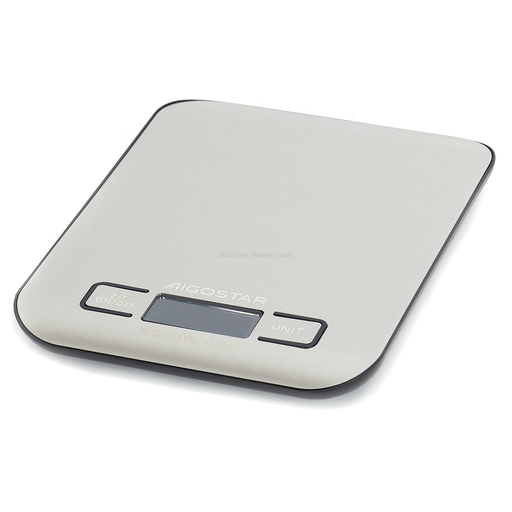
Why This Fits Their Persona: Ideal for daily kitchen use without unnecessary complexity. It focuses on the core functions that truly matter for cooking and baking.
Avoids the trap of overloaded features. It offers a simple tare function and a robust stainless steel surface, countering the pitfall of poor-quality materials.
Robust Stainless Steel Platform: Durable and easy to clean. Simple Operation: One-touch reset for quick taring.
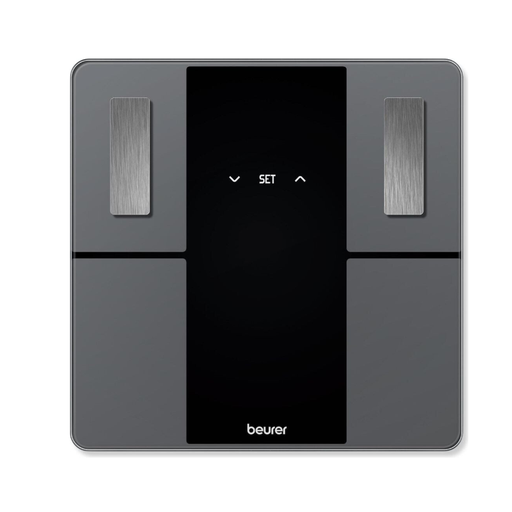
Why This Fits Their Persona: Perfect for individuals who want to track and analyse their health data like weight, body fat, and muscle mass over the long term.
Beurer is an established brand in the health sector, which suggests more reliable app and sensor technology. The features are focused on health analysis and are not just gimmicks.
Comprehensive Body Analysis: Measures weight, body fat, body water, muscle percentage, and BMI. Automatic Data Sync: Transfers data via Bluetooth to the "beurer HealthManager Pro" app for long-term tracking.

Why This Fits Their Persona: Designed for coffee enthusiasts who need precision for pour-over or espresso preparation. The special modes and high accuracy are crucial here.
Directly addresses the trap of inaccurate sensors with its 0.1g increment. The "smart" features here are not gimmicks but highly specialised tools for the brewing process (e.g., auto-timer).
High Precision: Measures in 0.1g increments for exact coffee and water quantities. Specialised Brew Modes: Includes a timer and modes for pour-over and espresso. Rechargeable: Integrated battery with a USB-C charging port.
We have compiled a complete, up-to-date list of products that fully meet these strict selection criteria and German safety regulations.
Digital scales designed for home use generally do not require manual calibration. It is important to always place the scale on a hard, flat, and stable surface to ensure accurate measurements. For kitchen scales, regularly using the tare function before each weighing is crucial to neutralise the weight of containers.
A body fat scale with an app uses bioelectrical impedance analysis (BIA) to estimate body composition values. This method is not as precise as clinical procedures. However, its main benefit lies not in the absolute accuracy of a single measurement, but in tracking trends over a longer period. When used consistently under the same conditions (e.g., in the morning after waking up), these scales can provide valuable insights into the development of your body composition.
This depends on the specific model. Many scales use standard batteries like AAA or CR2032 coin cells. Some modern models, especially in the premium segment or special precision scales, feature an integrated, USB-rechargeable battery. This eliminates the need for disposable batteries and is often more convenient in the long run. If your scale requires disposable batteries, high-quality alkaline batteries from well-known brands are a reliable choice for longer life.