
Lieferung heute & morgen

Qualitätsgarantie

Willkommens-Angebote freischalten: KOSTENLOSE Lieferung | Bis zu 80 % RABATT | Kostenlose 30-Tage-JoyPlus-Testphase
App herunterladen
A digital thermometer belongs in many household medicine cabinets. Even so, the wide range of options does not automatically make it easy to choose the right one. Some devices advertise one-second readings, colour displays or multiple measurement modes without clearly explaining when these features are genuinely useful in everyday life.
There are three common buying pitfalls you should check before making a purchase:
An infrared thermometer measures the heat radiation emitted by a target. With a contactless thermometer, the sensor is held at a specific distance from the forehead. Some models also allow measurements in the ear. An ear thermometer may be appealing to families who prefer a quick reading, but it must be positioned correctly in the ear canal.
A forehead thermometer is generally easier to use, particularly when you want to avoid prolonged contact with the body. Look for clear information about the distance, positioning and recommended measurement site. Babies and young children should always be supervised by an adult while the device is being used.
A digital thermometer for adults and children should cover the usual body temperature range. The Treesmile T11, for example, specifies a range of 32,0 °C to 42,9 °C. The display shows readings in 0,1 °C increments; the manufacturer specifies different permitted deviations depending on the temperature range.
A high resolution does not automatically mean the same level of measurement accuracy. The information in the instructions and consistent use are what matter. An easy-to-read LCD or LED display is particularly practical for older people and in poor lighting conditions. A switchable display between Celsius and Fahrenheit can be useful when travelling.
If you use the thermometer frequently, it should be easy to clean. With contactless devices, it is especially important to keep the sensor lens clean and dry. A classic stick thermometer with a flexible probe may be suitable for cleaning, but it should only come into contact with water in accordance with the manufacturer’s instructions.
A memory function helps you keep track of previous readings. Depending on the product, the available memory can range from just a few measurements to as many as 35 readings. This can be useful for keeping ongoing records within a family, but it does not replace individual medical assessment.
You should also check whether batteries are included, which battery type is required and whether the device switches off automatically. Button cells and batteries should always be kept out of children’s reach.
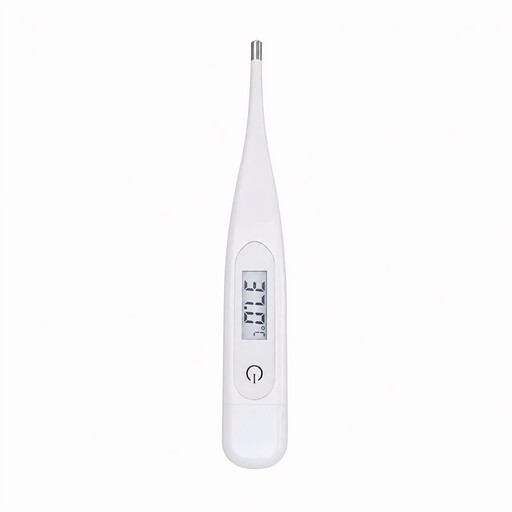
Why this product suits this profile: This pen-shaped, mercury-free model focuses on conventional body temperature measurement and requires an LR41 button cell.
It does away with unnecessary additional modes. The specified measurement range and resolution are clearly stated.
0,1 °C display, Celsius/Fahrenheit switch and an audible signal when the measurement is complete.

Why this product suits this profile: This model combines contact and contactless forehead measurement with a colour-coded display and age-based guidance.
The PositionCheck function provides guidance on positioning. This helps reduce user error, but does not replace the instructions.
Measurement in around two seconds according to the product details, silent mode, plus measurements for liquids and food.
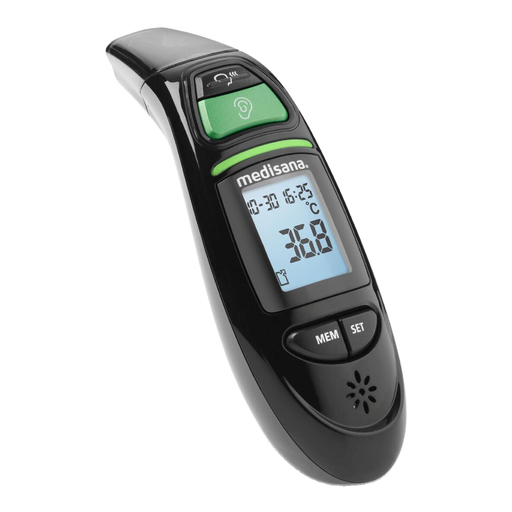
Why this product suits this profile: If you want to measure room, surface, liquid or ear temperatures as well as body temperature, this device offers several measurement types in one.
The additional modes are clearly separated. This means you can check before use whether the selected setting is suitable for the measurement task.
6-in-1 function, visual fever indication and date and time display according to the product description.
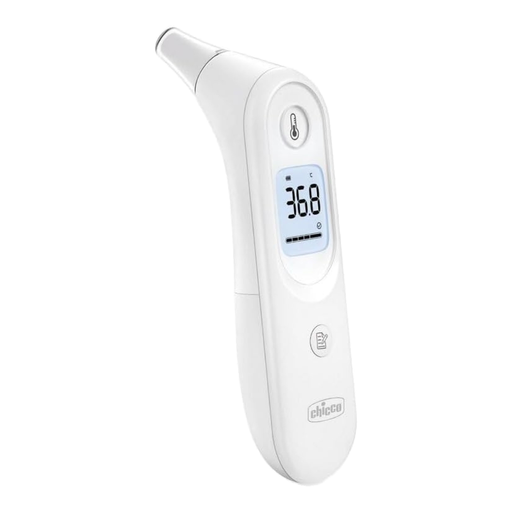
Why this product suits this profile: According to the product details, this ear thermometer is suitable from birth and for adults. Its slim probe is designed for measurements with minimal contact.
The intended age range, approximate measurement time and threshold for the audible signal are all clearly specified.
Measurement time of around one second, memory for up to seven readings and a switch between °C and °F.
Whether you use a forehead thermometer, ear thermometer or classic digital thermometer, try to keep the conditions as consistent as possible:
A fever alert is simply a technical guide. If symptoms persist or appear unusual, seek medical advice. Readings from a household device should not automatically be treated as a diagnosis.
We have put together a complete, regularly updated list of products that fully meet these strict selection criteria and the safety regulations applicable in the EU.
Its lifespan depends on the batteries, sensor, cleaning and storage. There is no single standard service life that applies to every model. Replace the device if the display malfunctions, the sensor has been damaged or it repeatedly produces implausible readings.
Many models are intended for babies according to the manufacturer. The key factors are the specific age approval, the correct distance and keeping the child still during measurement. If you are unsure, parents should follow the instructions and carry out the measurement under supervision.
Ongoing costs mainly consist of replacement batteries. Models with AAA batteries, automatic shut-off and a memory function can be practical for everyday use. With button-cell devices, take particular care to store them safely, as swallowed batteries can be dangerous for children.