People who set one timer at a time
If you’re cooking eggs on a hob, you’ll usually want to set a cooking time quickly and get an alert when it’s up. Hama and Tescoma describe digital timers with a countdown and an alert.


For cooking eggs on a single hob, a digital timer with an easy-to-set countdown and an alert you can hear from where you usually are is all you need; you don’t need multiple timers running at once. Also consider whether you often reuse the same cooking time, would prefer a silent visual alert or need to attach the timer somewhere. According to the German Federal Centre for Nutrition, cooking time and results also depend on the size of the eggs and how you like them.
If you’re cooking eggs on a hob, you’ll usually want to set a cooking time quickly and get an alert when it’s up. Hama and Tescoma describe digital timers with a countdown and an alert.
A memory function can save you having to enter the time again if you often use the same setting. TFA Dostmann lists this feature for model 38.2021.01; you may still need to adjust the time to suit the size of the eggs and your preferred result.
If you need to notice when the timer ends over the noise in your kitchen, or have limited space, check the alert type and mounting options. TFA Dostmann describes several tone options and an LED alert for model 38.2056.04; Hama lists several mounting options for model 00002954.
When you’re timing one cooking session, start by considering which features will make things easier at your hob.
| What you need | What to check before buying | Who is it important to? |
|---|---|---|
| Setting a countdown | Check how to enter minutes and seconds, and how to start and stop the specific model. | If I’m timing just one batch of eggs, I want to set the timer without any fuss. Around 36% of consumers prioritise being able to enter a single time easily. |
| Noticing the alert | Check the alert type and volume; a visual alert requires you to be able to see the timer. | If I’m not right next to the timer while the eggs are cooking, I need to be able to notice its alert. Around 29% of consumers prioritise the alert. |
| Reusing a cooking time | Check how to recall a saved time and change it if needed. | If I often use the same cooking time, I don’t want to enter it from scratch each time. Around 21% of consumers prioritise being able to reuse a time. |
| Positioning the timer | Check that the magnet, stand or hanging hook suits where you plan to put it, and check the battery requirements. | If I have limited worktop space, I need a suitable way to attach the timer and want to be able to use it straight away. Around 14% of consumers prioritise placement or power supply. |
The German Federal Centre for Nutrition says that cooking time depends on the size of the eggs as well as how you want them cooked. A saved setting doesn’t account for these differences.
Use a saved time as a starting point, and adjust it if the egg size or the result you want is different.
A magnet will only hold on a suitable surface; elsewhere, you’ll need another way to attach the timer or somewhere to place it.
First check where you plan to put the timer, then compare the mounting options available on the specific model.
According to the manufacturer, the TFA Dostmann 38.2021.01 and 38.2056.04 models differ in their battery requirements and what’s included.
Check the battery type, the number required and what’s included for the full model number.
The digital timers described here cater for different priorities: model 38.2021.01 has a memory function, while model 38.2056.04 offers selectable tone options and an LED alert.
Digital model 00002954 combines a single countdown with a stopwatch function.
The digital PRESTO 636076.00 is described as a straightforward timer with a display, an alert tone and a magnet.
The Silit Attimo digital timer, described by WMF, combines a countdown and stopwatch with a touch display.
This selection includes digital countdown timers for timing a single cooking session, as well as an item described as an egg timer. For each model, check that the countdown, alert and controls suit your routine.
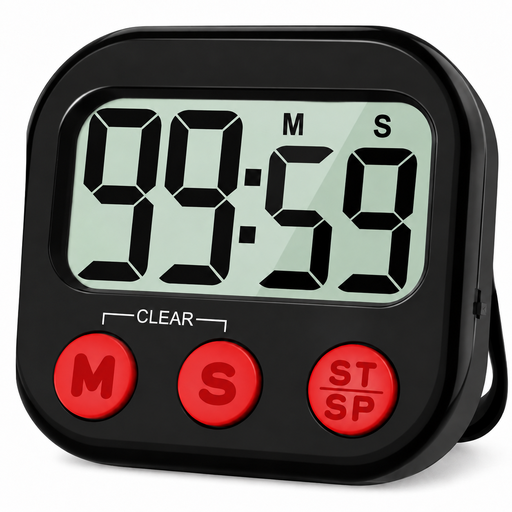 No image available
For timing a single cooking session when you want to adjust the alert volume to suit your surroundings.
The product name lists a countdown up to 99 minutes and 59 seconds, a stopwatch and adjustable volume.
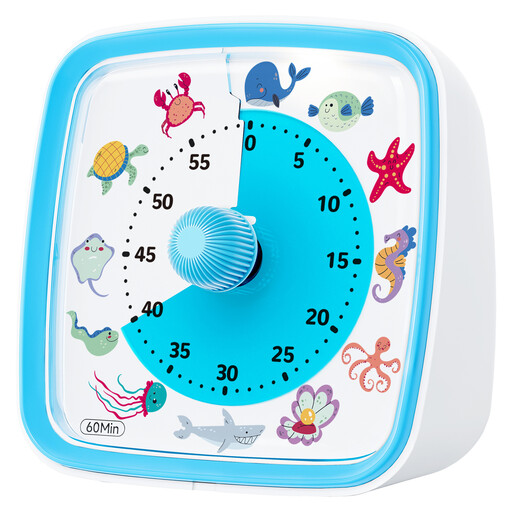 No image available
For timing a single cooking session when you’d like to see the time passing as well as hear an alert.
The product name lists a 60-minute countdown. According to the product information, it requires two AAA batteries, which are not included.
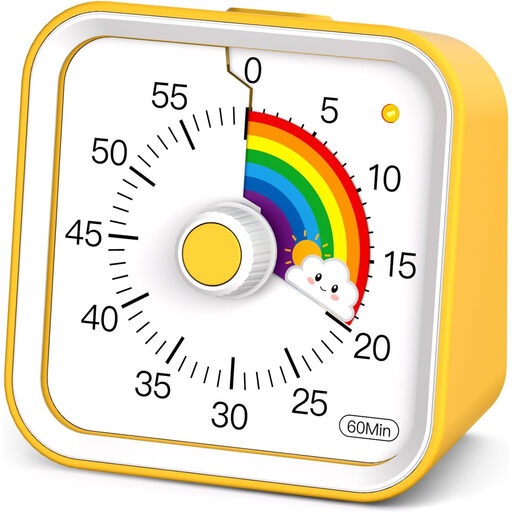 No image available
For timing a single cooking session when you might need to pause the countdown.
The product information lists a 60-minute countdown with a pause function, as well as visual and audible alerts. Two AAA batteries are not included, according to the product information.
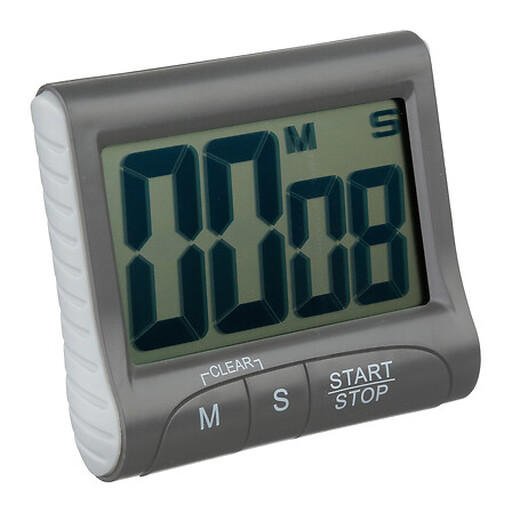 No image available
For timing a single cooking session when you want a digital countdown with an audible alert.
The product information lists a countdown, a hook for hanging and the option to stand the timer upright. Keep away from water and extreme heat.
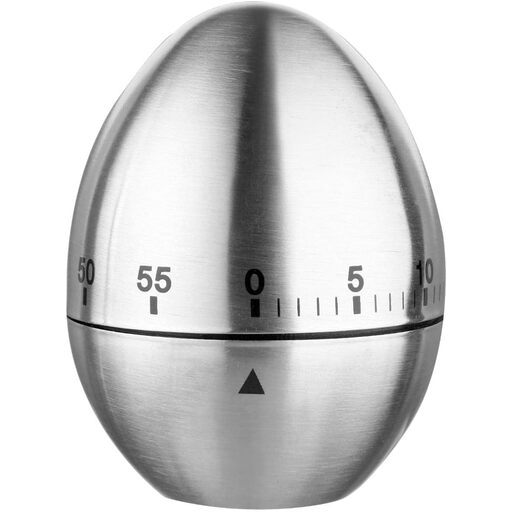 No image available
For shoppers looking for an item specifically described as an egg timer rather than a digital countdown timer.
The product name lists stainless steel, a silver finish and a size of 6.1 cm.
Start timing when the eggs are in boiling water. The German Federal Centre for Nutrition says that cooking time depends on both the size of the eggs and how you like them; a timer measures the time, not how well the eggs are cooked.
It depends on the mounting option and where you plan to put it. A magnet needs a magnetic surface; for model 00002954, Hama also lists a clip, hanging hook or stand. Follow the instructions and keep the timer away from water and cooking heat.
It depends on the model: TFA Dostmann says model 38.2021.01 comes with an AAA battery, while model 38.2056.04 requires two AAA batteries that are not included. Check what’s included for the full model number.
No, not simply because it’s described as a “kitchen timer”. According to the European Commission, a CE mark is required when the relevant harmonised EU rules require it for the specific product. The mark is not an independent endorsement.