
Lieferung heute & morgen

Qualitätsgarantie

Willkommens-Angebote freischalten: KOSTENLOSE Lieferung | Bis zu 80 % RABATT | Kostenlose 30-Tage-JoyPlus-Testphase
App herunterladen
By Your Joybuy Product Recommendation Officer
For modern cars and bicycles, applying the correct torque isn't just a recommendation—it's a necessity. A bolt that's too loose can work itself free, while one that's too tight can permanently damage the component, especially with sensitive materials like carbon fibre or aluminium. A digital torque wrench provides the precision and control needed to prevent these costly mistakes.
This article serves as your practical guide. We'll explain the key criteria for choosing the right tool and present a selection of models for various applications, from bicycles to cars.
Selecting the right tool depends on the specific demands of your work. The following criteria will help you make an informed decision.
The required torque range is the most critical factor. Fasteners on a bicycle, particularly on carbon components, often require low torque values, typically between 2 and 20 Newton-metres (Nm). In contrast, automotive jobs like changing a wheel or performing engine repairs demand much higher values, from 40 to over 200 Nm.
Check the manufacturer's specifications for your most common tasks to determine the appropriate range.
An electronic torque wrench is distinguished by its high accuracy. A deviation of ±2% to ±3% is considered a good standard for precision work.
Just as important are the alert systems that signal when the target torque has been reached. Modern devices combine several types of feedback:
Digital models often offer advanced features that streamline your workflow. These include:
Here is a selection of models that stand out for their specific features and are suited for different applications.
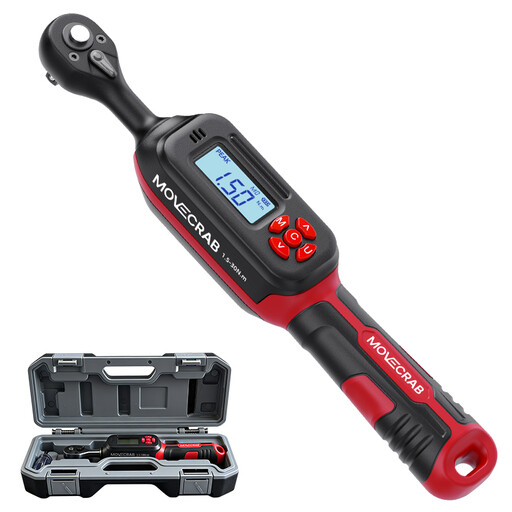
Why It Stands Out: With its low torque range, this model is specifically designed for the demands of bicycles and motorcycles. The triple-alert system ensures the target torque is reached precisely, even in challenging work environments.
Pros:
Who It's For: Bicycle mechanics and DIY enthusiasts who regularly work on modern bikes (especially those with carbon frames and parts) or smaller motorcycle components.
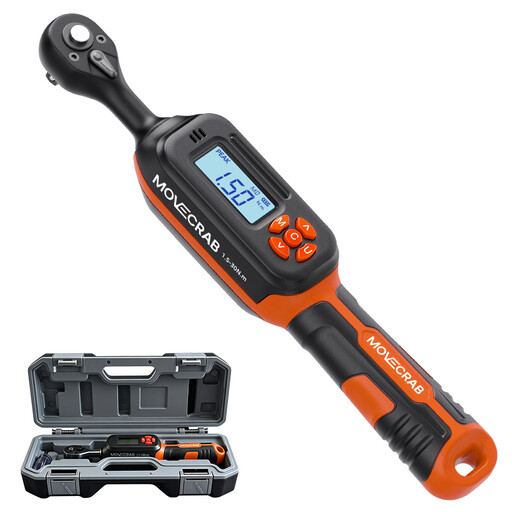
Why It Stands Out: With its mid-range torque and common 3/8-inch drive, this tool is a versatile all-rounder for work on motorcycles and many components in a car's engine bay.
Pros:
Who It's For: Advanced DIYers and professional mechanics who need a precise tool for motorcycle repairs and general automotive tasks.
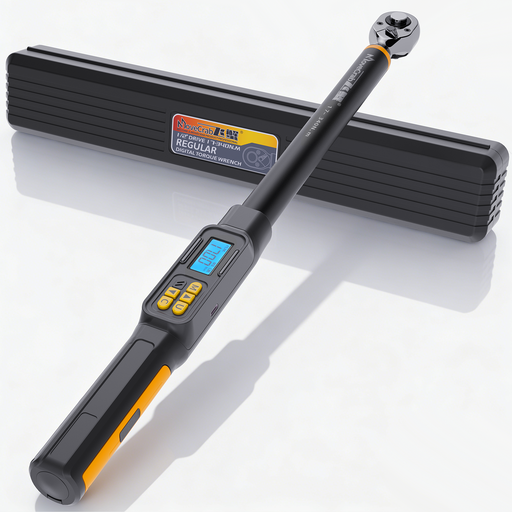
Why It Stands Out: This model is built for high torque, making it the ideal tool for demanding automotive jobs like changing lug nuts or working on the suspension and engine. The 1/2-inch drive ensures stable power transfer.
Pros:
Who It's For: Automotive mechanics and serious DIYers who need a robust, precise tool for safety-critical fasteners on their vehicles.
The selection of specialty tools is vast. If the models featured here don't perfectly match your needs, you might find the right product in our broader category.
? Explore More Automotive Key Accessories and Tools
1. What is the advantage of a digital torque wrench over a mechanical one? An electronic torque wrench offers higher precision thanks to its digital measurement and display. Additionally, features like multiple operating modes (Peak Mode, Track Mode), memory for presets, and multi-stage alert systems (LED, sound, vibration) make the work significantly easier and improve process reliability compared to purely mechanical "click-type" wrenches.
2. How important is accuracy in a torque wrench? Accuracy is crucial to avoid over-tightening or under-tightening components. A low deviation, such as the commonly cited high accuracy of ±2%, ensures that manufacturer-specified torque values are met exactly. This is essential for lightweight materials like aluminium or carbon fibre, as well as for safety-critical parts like brakes and suspension components.
3. Can I use an automotive torque wrench on my bicycle? Generally, no. An automotive torque wrench is designed for high torque values (e.g., 40–200 Nm) and is most accurate within that range. The very low values required for a bicycle (often under 10 Nm) fall outside its measurement range and cannot be applied precisely. It is advisable to use a wrench with the appropriate torque range for each specific application.