
Lieferung heute & morgen

Qualitätsgarantie

Willkommens-Angebote freischalten: KOSTENLOSE Lieferung | Bis zu 80 % RABATT | Kostenlose 30-Tage-JoyPlus-Testphase
App herunterladen
As a Joybuy Product Recommendation Officer, I see every day how choosing the right tool can mean the difference between a successful project and costly damage. A digital torque wrench is a prime example of a precision tool where the details matter. Whether you're changing a car tyre, mounting carbon parts on a bicycle, or working on an engine, applying the correct torque is critical. However, the market is flooded with models whose marketing promises often fall short in practice. This guide will help you separate the wheat from the chaff.
Before we dive into the key features, let's look at the three most common issues that can lead to a poor purchase.
To avoid these pitfalls, you should focus on three objective criteria that determine the performance and versatility of a digital torque wrench.
Accuracy is stated as a percentage deviation from the set value (e.g., ±2%). A lower percentage means higher precision. For safety-critical fasteners on brakes, suspension, or carbon components, an accuracy of ±3% or better is a sensible requirement. Check if the accuracy is specified for both rotational directions (clockwise and counter-clockwise) in case you also need to tighten left-hand threads.
The torque range in Nm defines which tasks the tool is suited for. Before buying, analyse which values you will need most often:
A tool that covers a wide range offers more flexibility. Models with a range of approximately 10 to 135 Nm are often good all-rounders for ambitious hobby mechanics.
The drive size determines which sockets you can use. The most common sizes are:
Check which socket sizes you already own to buy the right automotive tool and avoid additional costs for adapters or new sockets.
Based on the criteria mentioned, we have identified several models that represent a considered choice for specific user profiles.
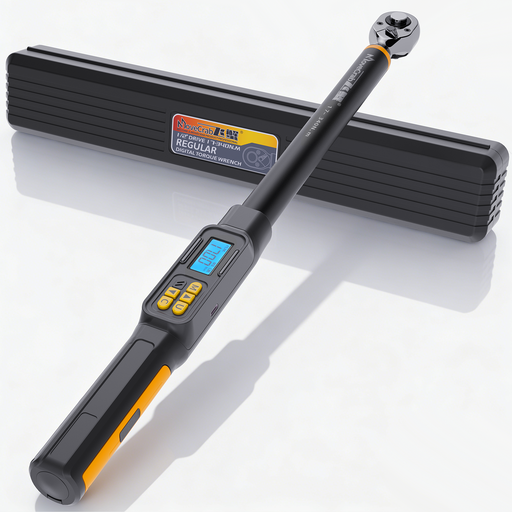
Why This Fits Their Persona: With its high torque range of up to 340 Nm and robust 1/2-inch drive, this tool is designed for the demands of an automotive workshop, especially for tyre changes, suspension, and engine work.
The triple alarm system (vibration, sound, LED) ensures that reaching the target torque is not missed even in noisy environments—a clear solution to the "impractical use" pitfall.
High torque range for demanding tasks; ±2% accuracy for precise results; multiple measurement units (Nm, ft.lb, in.lb, kgf.cm).
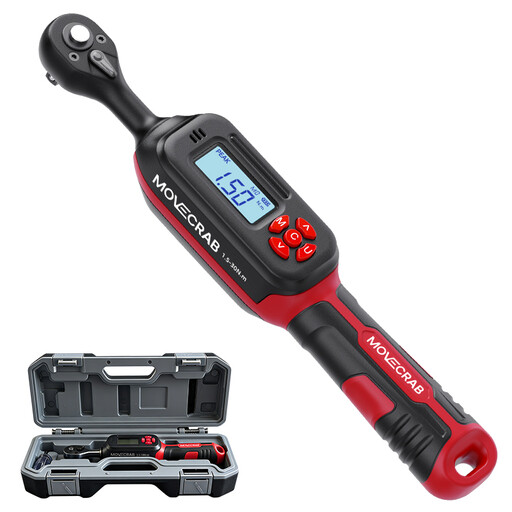
Why This Fits Their Persona: Ideal for mechanics working on sensitive bicycle or motorcycle components. The low starting value of 4.2 Nm allows for precise tightening of carbon and aluminium parts where accuracy is critical.
This model bypasses the limited torque range pitfall by specifically covering the lower range relevant for two-wheelers. The memory function for 10 preset values simplifies repetitive tasks.
Low torque range (4.2-85 Nm); Peak and Track modes for different measurement needs; compact design for tight spaces.
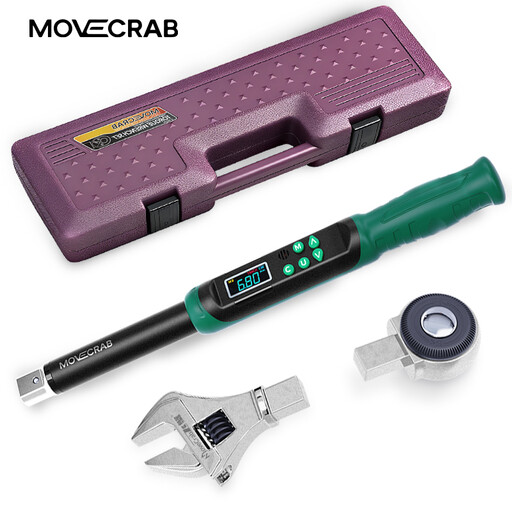
Why This Fits Their Persona: The included interchangeable heads (ratchet and open-end) make this set extremely flexible for various jobs on cars, motorcycles, and around the house. The 6.8 to 135 Nm torque range covers the most common applications.
By providing interchangeable heads and a wide, practical torque range, it avoids the pitfall of being too specialised. Users get a multifunctional system instead of a single, limited wrench.
High flexibility due to interchangeable heads; wide and useful torque range; digital display with ±2% accuracy.
We have compiled a complete, up-to-date list of products that fully meet these strict selection criteria and safety regulations.
The Track mode shows the torque on the display in real-time as you apply force. It is useful for observing the force build-up. In contrast, the Peak mode saves and displays the highest torque value reached after the force is released. This mode is most commonly used to verify that the preset target torque has been achieved.
Calibration intervals depend on the frequency of use and the manufacturer's recommendations. For professional use in a workshop, annual calibration is often recommended. For occasional use by DIY enthusiasts, an interval of two to three years or after approximately 5,000 load cycles may be sufficient. A check is also advisable if the tool has been dropped.
Although many digital torque wrenches have a reverse function for counter-clockwise operation, they should not primarily be used like a standard ratchet to loosen tight bolts. High breakaway torques can damage or de-calibrate the sensitive measuring mechanism. Use a sturdy impact wrench or a breaker bar for loosening, and use the digital display torque wrench exclusively for controlled tightening.