
Lieferung heute & morgen

Qualitätsgarantie

Willkommens-Angebote freischalten: KOSTENLOSE Lieferung | Bis zu 80 % RABATT | Kostenlose 30-Tage-JoyPlus-Testphase
App herunterladen
Choosing the right ceiling light is crucial for a room's atmosphere. A dimmable LED ceiling light offers maximum flexibility—from bright task lighting to a soft evening mood. But the market is flooded with products making lofty promises that often fall short in practice. Incorrect technical specs or impractical designs can quickly lead to buyer's remorse.
As your Joybuy Product Recommendation Officer, I'm here to help you separate the good from the bad. This guide will walk you through the three most common pitfalls and highlight the key technical features to look for, ensuring you make an informed decision for your home.
Many buyers focus on design and price, overlooking crucial technical details. This often leads to disappointment and unnecessary expense.
To avoid these pitfalls, you should check three core parameters before buying. These are the main factors that determine the functionality and longevity of your new LED ceiling lamp.
With LED lights, wattage is no longer a reliable indicator of brightness. The crucial value is lumens (lm). As a rule of thumb for general lighting in living areas:
For a 20 m? LED living room ceiling light, a fixture with around 2000–3000 lumens would be a good choice.
The colour of the light is measured in Kelvin (K) and has a major impact on the room's ambience.
A light with an adjustable colour temperature offers the greatest flexibility for rooms with different uses.
Whether a modern black ceiling light or a simple white one is right for you is a matter of taste. However, pay attention to the material. Metal housings (aluminium, iron) are generally more robust and durable than all-plastic constructions. A high-quality acrylic or silicone diffuser ensures glare-free and even light distribution.
Here are some models tailored to specific needs and room situations that successfully avoid the pitfalls mentioned.
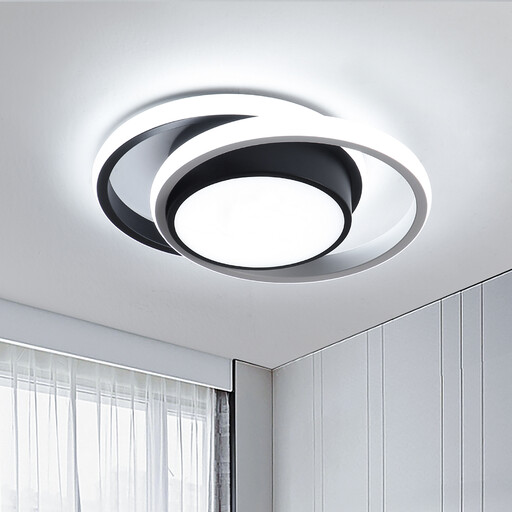
Why This Fits Their Persona: Ideal for users who want maximum control over the lighting mood in their living room or bedroom without compromising on design and function. The modern black design complements many interior styles.
It bypasses the incompatible dimming trap by including a remote control. The wide colour temperature range of 3000K to 6000K prevents disappointment from an inadequate selection of light colours.
Complete control of brightness and colour temperature via remote. With 4500 lumens, it provides high light output for medium to large rooms.
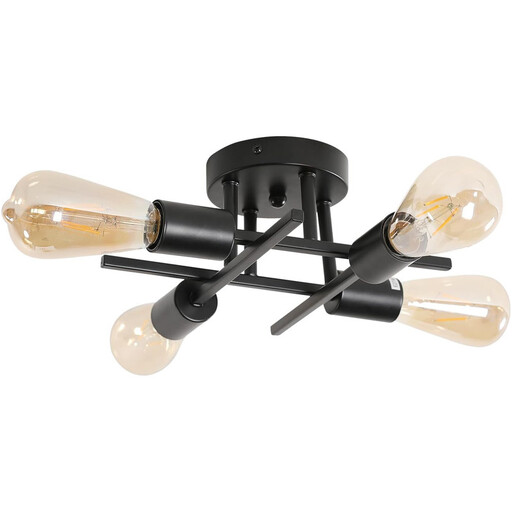
Why This Fits Their Persona: Perfect for creatives who want to make a statement and retain full control over their choice of bulbs. The adjustable arms allow for customised light direction.
This light makes dimming transparent: it is dimmable as long as you use dimmable E27 bulbs and a compatible wall dimmer. This gives the user control and avoids the trap of hidden incompatibilities.
Free choice of bulbs (E27 socket) allows for customisation of brightness, colour, and style. The bulbs are replaceable, which extends the life of the fixture.
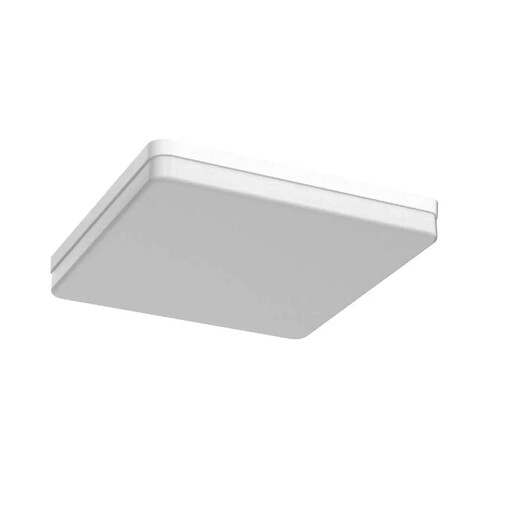
Why This Fits Their Persona: A pragmatic choice for areas like the kitchen, hallway, or bathroom, where consistently high, neutral brightness is required and dimming functions are not needed.
By intentionally omitting dimmability, it avoids the trap of overpriced and unused features. The low-profile design with good light diffusion prevents the glare trap and ensures even illumination.
High light output (3300 lumens) with a neutral white colour temperature (4500K) for clear visibility. The ultra-slim design (approx. 3.5 cm) is unobtrusive and modern.
We've compiled a complete, up-to-date list of products that fully meet these strict selection criteria and safety standards.
1. How many lumens do I need for my living room? For comfortable general lighting in a living room, a value of about 100 to 150 lumens per square metre is recommended. For a 25 m? room, you should therefore consider a light with a total output of 2500 to 3750 lumens. With dimmable lights, it's wise to choose a higher maximum lumen count to ensure you have enough brightness when needed.
2. Can I use any dimmable LED ceiling light with my existing dimmer switch? No, this is one of the most common sources of error. Many LED ceiling lights, especially those with integrated colour and brightness controls, require their own remote or app and are not compatible with external wall dimmers. Check the product description carefully for information on compatibility with leading-edge or trailing-edge dimmers. When in doubt, a model that comes with its own remote is the safer choice.
3. What is the difference between warm white and cool white? The colour of light is measured in Kelvin (K). Warm white (below 3300 K) has a yellowish-red hue, similar to a classic incandescent bulb, and creates a cosy atmosphere. Cool white (above 5300 K) has a bluish tone that resembles daylight and promotes concentration. Neutral white (in between) is a functional, clear light that is well-suited for kitchens and bathrooms.