
Lieferung heute & morgen

Qualitätsgarantie

Willkommens-Angebote freischalten: KOSTENLOSE Lieferung | Bis zu 80 % RABATT | Kostenlose 30-Tage-JoyPlus-Testphase
App herunterladen
Choosing new chairs for your dining room or kitchen often seems straightforward. But the reality is often different: after just a few months, many buyers find their new seats are wobbly, the upholstery shows signs of wear, or the seating comfort is simply lacking. As a Joybuy Product Recommendation Officer, I analyse product data to help you avoid such poor purchases and make an informed decision.
This guide focuses on the crucial, often-overlooked features and shows you how to identify a durable and stylish set of 2 dining chairs.
Before we get to the recommendations, it's important to understand the most common problems that lurk behind seemingly attractive offers.
To avoid a bad buy, you should carefully examine three technical aspects. These reveal more about durability and functionality than any marketing promise.
The choice of material is crucial for durability and maintenance.
An often-overlooked but critical value is the maximum static load capacity. A standard value is around 120 kg. Models that specify a load capacity of 150 kg indicate a more robust construction and higher-quality materials. This value is an objective indicator of the chair's stability in everyday use. Also, check if the chair legs are equipped with floor protectors to prevent scratches on parquet or tiles.
The right dimensions are essential for comfortable seating.
Here are some models that are well-suited for different needs and interior styles, based on their objective features.
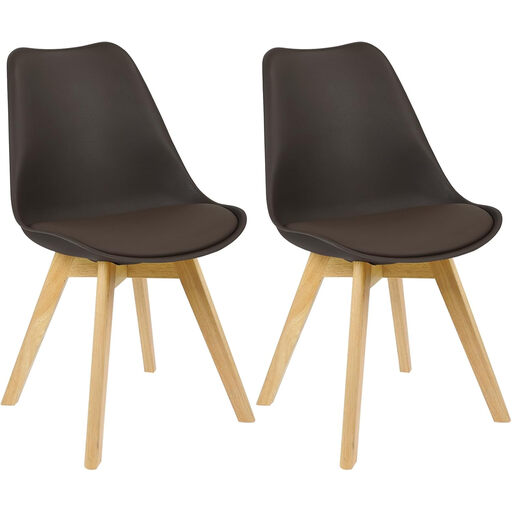
Why this model is a great fit: This set of 2 chairs combines the popular Scandinavian design with practical materials at an attractive price. It's ideal for a first apartment or a stylish dining area upgrade without breaking the bank.
The reinforced X-shaped construction under the seat ensures stability. The PU faux leather seat is easy to clean and stain-resistant, avoiding the trap of impractical materials.
The legs made of FSC-certified solid wood and a high static load capacity of up to 150 kg are testament to a robust build.

Why this model is a great fit: For anyone looking for a real statement piece. This retro chair set combines an industrial look with the comfort of a padded seat and a practical swivel function. It's more than just a chair—it's a design statement.
The base of black lacquered metal legs and a beech plywood structure provides the necessary stability often missing in purely "fashion" chairs. The suede-effect cover is made of durable microfibre.
The 360-degree swivel function increases flexibility at the dining table or in the home office. The high, curved backrest with armrests offers excellent support.
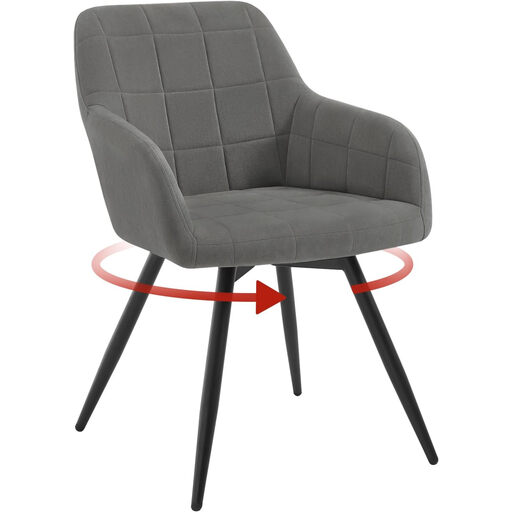
Why this model is a great fit: This chair is a hybrid of a dining chair and an armchair. It is perfect for people who not only eat at the dining table but also work, read, or spend long evenings with guests. The focus is clearly on ergonomics and comfort.
Despite the swivel function, the solid metal frame ensures high stability (up to 150 kg). The high-density foam padding prevents premature sagging, thus avoiding the trap of uncomfortable designer chairs.
The combination of an ergonomically shaped backrest, armrests, and a 360° swivel mechanism offers a high degree of functionality and comfort for versatile use cases.
We've compiled a complete, up-to-date list of products that fully meet these strict selection criteria and relevant safety regulations.
The standard seat height for a dining chair is between 45 cm and 48 cm. This ensures there is enough legroom (approx. 27-30 cm) between the seat and the underside of a typical dining tabletop (approx. 75 cm high). Be sure to measure the height of your table before buying.
For a household where meals are eaten regularly, smooth, non-porous surfaces are the most practical. Chairs made of polypropylene (PP) or with a cover of high-quality PU faux leather are a good choice here. They can be easily wiped clean with a damp cloth. Velvet or textured fabrics look elegant but require more cleaning effort.
The maximum static load capacity indicates the weight a chair can safely support in a stationary position without damaging the structure. A value of 120 kg is a common standard. A rating of 150 kg suggests a particularly robust construction and greater durability, which is a good indicator of the chair's overall quality.