
Lieferung heute & morgen

Qualitätsgarantie

Willkommens-Angebote freischalten: KOSTENLOSE Lieferung | Bis zu 80 % RABATT | Kostenlose 30-Tage-JoyPlus-Testphase
App herunterladen
A functional dish brush is an indispensable tool in any kitchen. However, finding the right model can be more complicated than you might think. Bristles that bend after a short time, handles that are uncomfortable to hold, or stubborn food residue that just won't come off—these are common problems for many. This article serves as a guide, presenting objective criteria to help you choose a durable and efficient dish brush.
To make an informed decision, you should consider a few fundamental product features. These characteristics determine how effectively and comfortably you can handle daily dishwashing.
The bristles are the core component of any dish brush. Their quality determines both cleaning power and durability.
Daily dishwashing shouldn't be a strain on your hands. An ergonomic dish brush with a well-designed handle provides a secure grip and allows for efficient power transfer without causing fatigue. Pay attention to the handle length—longer models make it easier to clean deep pots or bottles, while shorter handles offer more control for smaller dishes. A hanging loop at the end of the handle is also practical for allowing the brush to dry hygienically.
A dish brush with a scraper offers significant added value. This small, hard edge on the brush head is specifically designed to scrape away dried-on or burnt food from surfaces without causing damage. A dish brush with a scraper edge is particularly useful for cleaning pans, baking sheets, and casserole dishes, reducing the need for separate scrapers or excessive soaking.
Based on the criteria mentioned, we have curated a selection of models that stand out for their functionality and material quality.
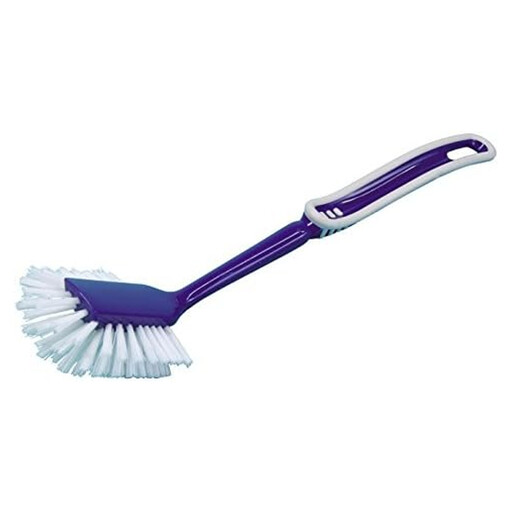
Why It Stands Out: This model from Bürstenmann combines a robust dual-component plastic handle with durable nylon bristles. The grey and orange handle not only provides a modern look but also ensures a secure and comfortable grip during use, thanks to its ergonomic shape and material combination.
Advantages:
Who It's For: This model is an excellent choice for households looking for a reliable all-around brush for daily dishwashing and who value a particularly comfortable and non-slip grip.
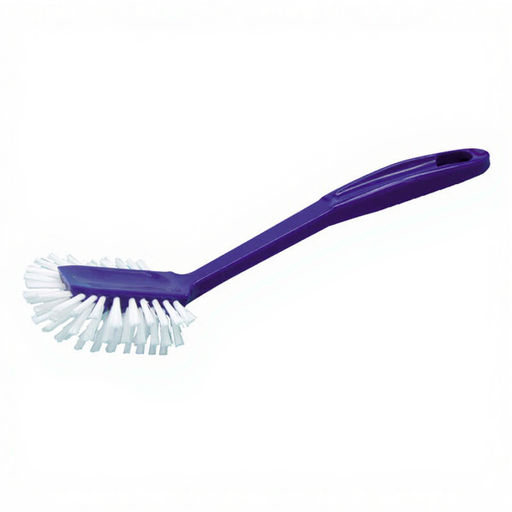
Why It Stands Out: The dish brush from ZELLER PRESENT is made from stabilised polypropylene (PP), a polymer known for its high chemical resistance and structural integrity. The non-porous material is resistant to bacteria and odours, contributing to high hygiene standards in the kitchen.
Advantages:
Who It's For: Ideal for users who place a high value on hygiene and need a brush with extra reach for cleaning tall items like carafes or cooking pots.
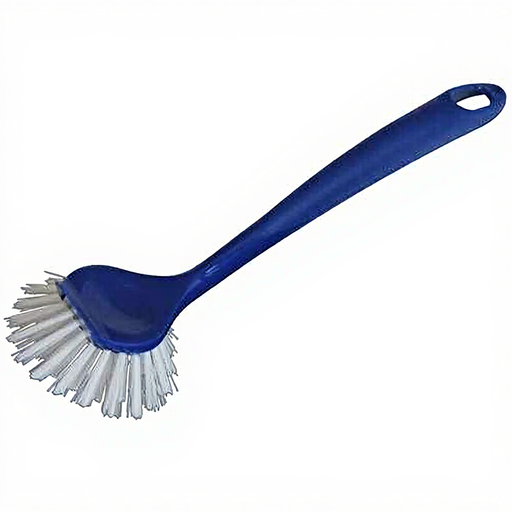
Why It Stands Out: This model from Bürstenmann is a lightweight and versatile tool for daily kitchen cleaning. Weighing only 34 grams, it is exceptionally easy to handle. The round brush head provides good surface coverage and also reaches hard-to-access corners.
Advantages:
Who It's For: A suitable option for anyone looking for a lightweight, straightforward, and cost-effective dish brush for everyday cleaning tasks around the sink.
The models presented already cover a wide range of needs. If you haven't found the right product for your specific requirements, you can find more alternatives in our kitchen tools category.
Discover our entire selection of plastic brushes and find the ideal model for your needs.
For hygienic reasons, it is recommended to replace a plastic dish brush every one to three months, depending on the frequency of use and degree of wear. As soon as the bristles are heavily bent or discoloured, it's time for a replacement, as cleaning performance diminishes and germs can accumulate.
Yes, most plastic dish brushes (like those made of polypropylene or nylon) are dishwasher-safe. Regular cleaning at a high temperature in the dishwasher helps to effectively remove bacteria and germs and extend the life of the brush. It's best to place the brush in the top rack.
A dish brush with a scraper edge combines two tools in one. The hard edge on the brush head allows you to scrape burnt-on and dried food from pots, pans, and casserole dishes without damaging the surface. This eliminates the need for additional cleaning tools and makes dishwashing more efficient.