
Lieferung heute & morgen

Qualitätsgarantie

Willkommens-Angebote freischalten: KOSTENLOSE Lieferung | Bis zu 80 % RABATT | Kostenlose 30-Tage-JoyPlus-Testphase
App herunterladen
At first glance, buying a new dishwasher seems straightforward. But the market is flooded with marketing promises, technical specs, and features that often create more confusion than clarity. Many buyers invest in appliances with expensive extra functions they never use, or which prove impractical in daily life. As your Joybuy Product Recommendation Officer, I'll help you navigate these pitfalls and make an informed decision based on facts, not advertising slogans.
Before we dive into the important parameters, let's highlight the most common marketing traps that can lead to an unsuitable choice.
To buy the right dishwasher, focus on the following objective criteria that match your needs.
The choice of design depends on your kitchen layout and the available space.
An energy-efficient dishwasher not only protects the environment but also your wallet. Compare the values on the EU energy label:
Two features have proven to be particularly useful in everyday life:
Here are some models that represent a considered choice for different user profiles, based on objective criteria.
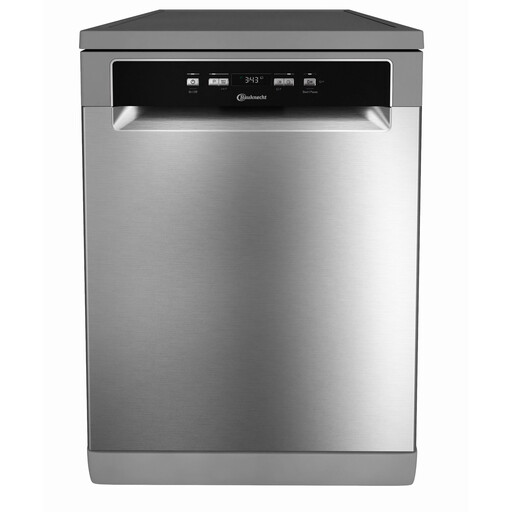
Why It's a Match: With 14 place settings, a cutlery tray, and the MultiZone half-load function, this appliance offers the flexibility needed for a dynamic family life. Its very quiet operation at 41 dB(A) won't be a disturbance, even in open-plan living areas.
The appliance focuses on efficiency (Energy Class B) and practical features like the ActiveDry automatic door opening for better drying, rather than advertising a confusing array of programs.
Excellent Energy Efficiency Class B and a very low operating noise of 41 dB(A) (Noise Emission Class B).
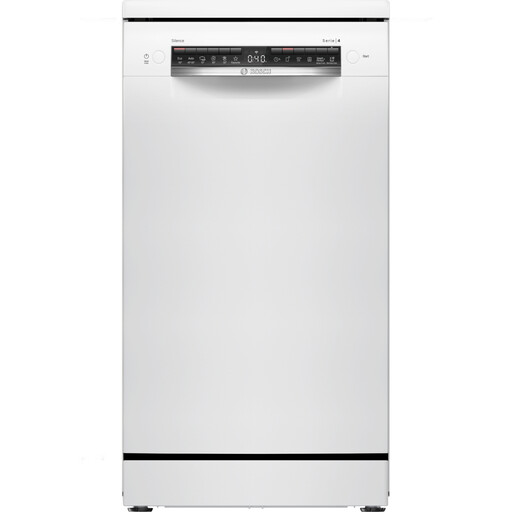
Why It's a Match: This slimline 45 cm dishwasher is perfect for smaller kitchens, couples, or single households. Despite its compact size, it offers high loading flexibility with the VarioFlex basket system and a cutlery tray.
This model avoids the noise trap with quiet operation at 44 dB(A) and a special Silence program (41 dB). The Home Connect app provides smart functions that deliver real value, instead of useless programs.
Flexible loading thanks to adjustable baskets and duoPower spray arms for thorough cleaning even with a full load.
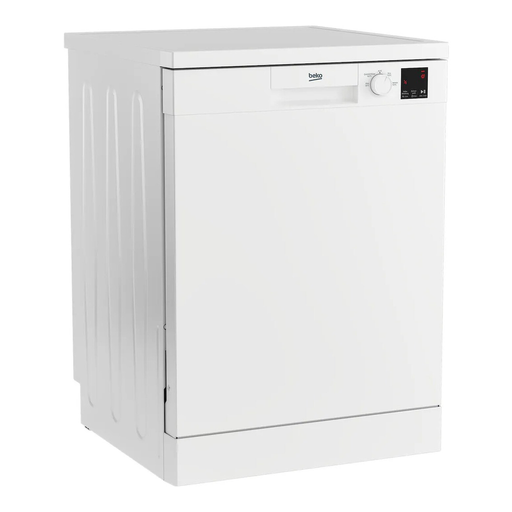
Why It's a Match: This model focuses on the essentials. With 13 place settings, a half-load function, and the WaterSafe protection system, it offers a solid set of features for daily use without breaking the bank.
The appliance forgoes expensive extras and an excessive number of programs. Instead, it offers four essential programs and a practical half-load function that actually saves water and energy.
A functional appliance with the necessary core features like half-load and water protection at an accessible price.
We have compiled a complete, up-to-date list of products that fully meet these strict selection criteria and German safety regulations.
A cutlery basket is a removable container, usually placed in the lower rack. It's flexible but takes up valuable space that could be used for plates or pots. A cutlery tray is a third, flat level at the very top of the dishwasher. It allows for the separate arrangement of cutlery, which often leads to better cleaning results and maximises space in the lower rack.
The AquaStop function is an essential safety feature. It's a system with a double-walled inlet hose and a solenoid valve located directly at the water tap. If the hose leaks or water is detected in the appliance's base pan, the valve immediately shuts off the water supply. This provides reliable protection against costly water damage in the kitchen, especially when the appliance is running unattended.
Consumption heavily depends on the energy efficiency class. For example, a modern Class C appliance uses around 74 kWh of electricity and 950 litres of water per 100 cycles in the Eco program. A Class E appliance uses about 94 kWh and 1290 litres. Investing in an energy-efficient model with a better class (e.g., B or C) can pay for itself over the appliance's lifespan through lower operating costs.