
Lieferung heute & morgen

Qualitätsgarantie

Willkommens-Angebote freischalten: KOSTENLOSE Lieferung | Bis zu 80 % RABATT | Kostenlose 30-Tage-JoyPlus-Testphase
App herunterladen
Buying a new dishwasher can quickly become overwhelming. Manufacturers advertise a multitude of features and technical specifications, but not all of them are relevant for everyday use. As your Joybuy Product Recommendation Officer, I'll help you distinguish the important features from the trivial ones and make an informed decision that fits your household and budget.
Before you decide on a model, you should be aware of three common pitfalls that can lead to dissatisfaction and unnecessary expenses:
To avoid these pitfalls, focus on the following objective criteria. These will determine how well a dishwasher fits into your kitchen and your daily habits.
The first decision concerns the construction type. There are three main options:
Two widths have become standard for size:
Since 2021, a new EU energy label with a scale from A (very efficient) to G (less efficient) has been in effect. An energy-efficient dishwasher saves on running costs in the long term. Look for two key values on the label:
Two other factors are crucial for everyday comfort:
Here are some models that represent a considered choice for different user profiles, based on objective criteria.
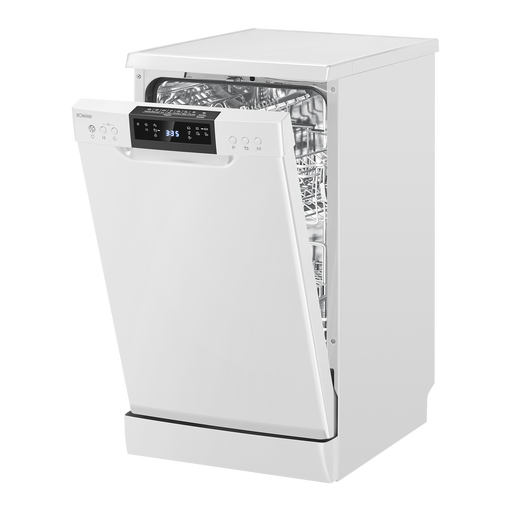
Why it's a good fit: Perfect for smaller households or kitchens that need reliable core features without costly extras. At 45 cm wide and with 10 place settings, it offers sufficient capacity for the daily needs of one to two people.
This model focuses on 7 practical programs, including ECO, Intensive, and a 90-minute cycle. You don't pay for superfluous special functions that are rarely used.
Offers useful features like a delay start and a half-load function, which are not a given in this price range and make daily life easier.
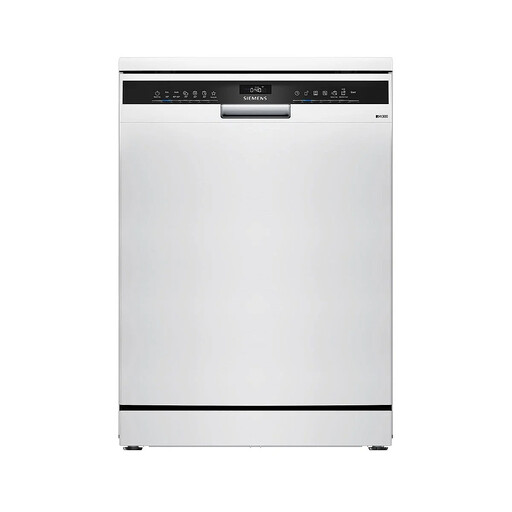
Why it's a good fit: Designed for households that value efficiency, durability, and low noise levels. With 14 place settings and a 60 cm width, it's ideal for families.
The noise emission of just 42 dB is an objectively excellent value, qualifying the appliance for open-plan kitchens. The high Energy Efficiency Class B ensures verifiably low running costs.
The combination of very quiet operation and excellent energy efficiency offers high everyday utility and long-term savings. The heat exchanger ensures gentle and hygienic drying.
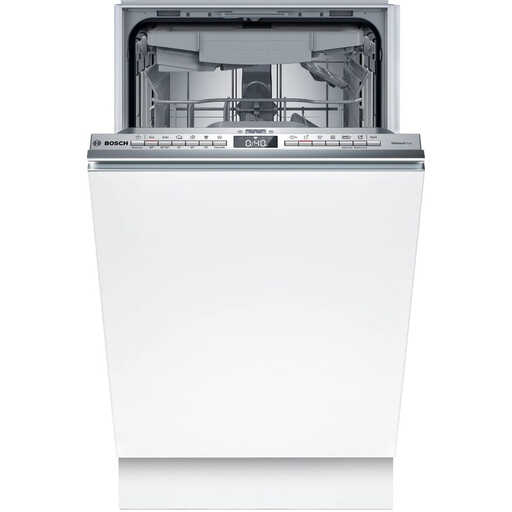
Why it's a good fit: This 45 cm slimline integrated dishwasher is designed for modern kitchens where smart features and seamless integration are desired. Ideal for tech-savvy couples or small families.
The Home Connect function offers genuine added value through remote control and program downloads, rather than just being a gimmick. The InfoLight, which projects a red dot onto the floor, solves the practical problem of not knowing if a fully integrated appliance is running.
The combination of quiet operation (44 dB), smart control, and the practical Vario cutlery tray makes this model a well-thought-out solution for demanding users with limited space.
We have compiled a comprehensive, up-to-date list of products that meet these strict selection criteria and German safety standards.
1. How long does a modern dishwasher last? The lifespan of a dishwasher heavily depends on the frequency of use and maintenance. With regular cleaning of the filters and the use of dishwasher cleaners, you can expect an average lifespan of about 10 to 15 years for brand-name appliances.
2. What does "place setting" mean for a dishwasher? A place setting is a standardised amount of dishes for one person, defined by the DIN EN 50242 standard. It includes a dinner plate, a soup bowl, a dessert plate, a saucer, a cup, a glass, as well as a knife, fork, soup spoon, teaspoon, and dessert spoon. The place setting specification serves as a standardised unit of comparison for an appliance's capacity.
3. Is a dishwasher with a cutlery tray worth it? A cutlery tray generally offers better cleaning performance because water can easily reach all sides of the cutlery. It also creates more space in the lower basket for large pots and bowls. A potential downside is that loading and unloading can take slightly longer than with a cutlery basket. The decision depends on your personal priorities.