What should you look for when buying?
First check the installation dimensions and how much you need to load, then compare consumption figures and programme duration. Noise levels may also matter if you have an open-plan kitchen.
| What matters when buying |
What to check |
Who is this particularly important to? |
| The right appliance type |
Measure the space, including its height and depth; check the installation type and the cabinet door required. |
If I need to use an existing space, I want to be sure the appliance type and dimensions will fit. Around 31% of consumers put installation and space requirements first. |
| Room for your everyday load |
Check how the racks will accommodate your plates, tall items and lunchboxes; place settings don’t guarantee space for every type of dish. |
If I have dishes and cookware to wash together every day, I want to be able to fit them in sensibly. Around 25% of consumers prioritise everyday load capacity. |
| Electricity and water consumption |
Compare kWh per 100 Eco cycles and litres per Eco cycle; these figures relate to the Eco programme. |
If the dishwasher runs regularly, I want to take its stated consumption figures into account. Around 19% of consumers focus mainly on running costs. |
| Washing time |
Check the programme table for the specific model, including durations and guidance on load size and how dirty the dishes are. |
If I need the dishes in the evening to prepare packed lunches for the next day, the right programme duration matters to me. Around 13% of consumers prioritise having their dishes ready again quickly. |
| Noise in the evening |
Check the noise emissions in dB(A) and the noise emission class for the specific model. |
If I have an open-plan kitchen, I want to plan the wash cycle around mealtimes or quiet time. Around 12% of consumers prioritise a peaceful evening. |
Joybuy product selection
This selection includes dishwashers for your packed-lunch routine, including freestanding and fully integrated 60-cm models with a range of load capacities and programme features.
 No image available
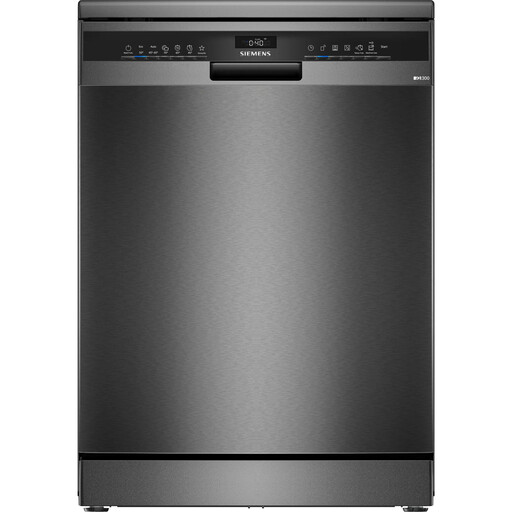
Siemens SN23EC03ME, freestanding, 60 cm, BlackInox
For larger everyday loads, the product description lists space for 14 place settings and a height-adjustable upper basket.
65 kWh per 100 cycles and 9.0 l per cycle; it also features varioSpeed Plus, varioDrawer, autoOpenDry and HomeConnect. B energy rating.
View at Joybuy
 No image available
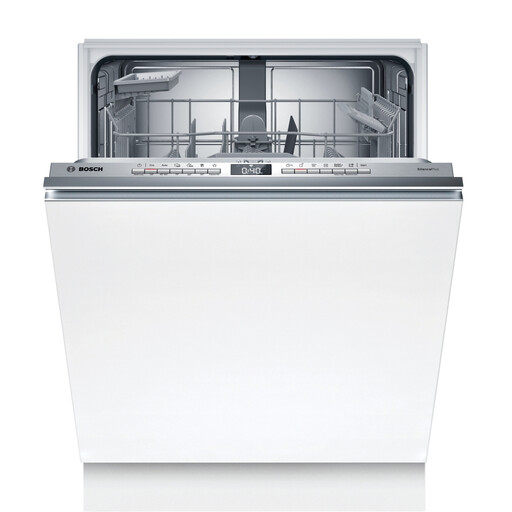
Bosch Serie 4 SMV4EAX28E, fully integrated, 13 place settings
For a full everyday load, the product description lists space for 13 place settings and a flexible basket system.
0.535 kWh and 9 l of water per Eco cycle, plus an Express programme and SpeedPerfect+. The product description states that the cabinet door isn’t included.
View at Joybuy
 No image available
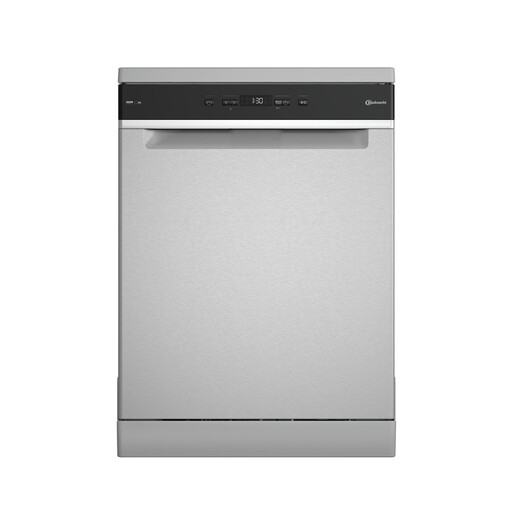
Bauknecht BKSV2FCN3X, freestanding, 60 cm, 14 place settings
For larger everyday loads, the product description lists space for 14 place settings, a height-adjustable upper basket and a cutlery drawer.
75 kWh per 100 cycles and 8.9 l per cycle; C energy rating. The “Rinse and Dry in 85 Minutes” programme is also listed.
View at Joybuy
 No image available
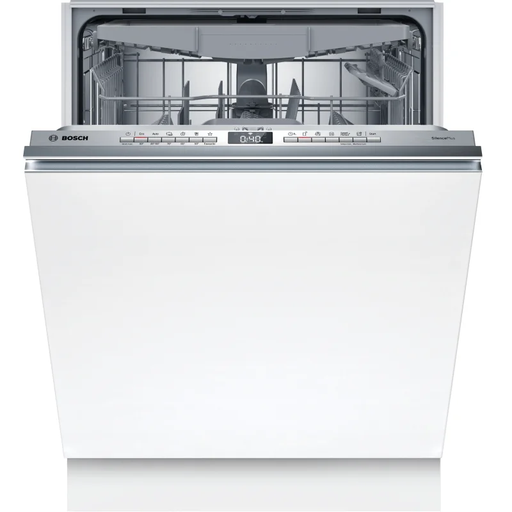
Bosch SMV4EVX08E Serie 4, fully integrated, 60 cm, 14 place settings
For larger loads, the product description lists space for 14 place settings and VarioFlex baskets with a cutlery drawer.
65 kWh per 100 Eco cycles and 9.0 l of water per Eco cycle; B energy rating. Quick and SpeedPerfect options are also listed. A cabinet door is required.
View at Joybuy
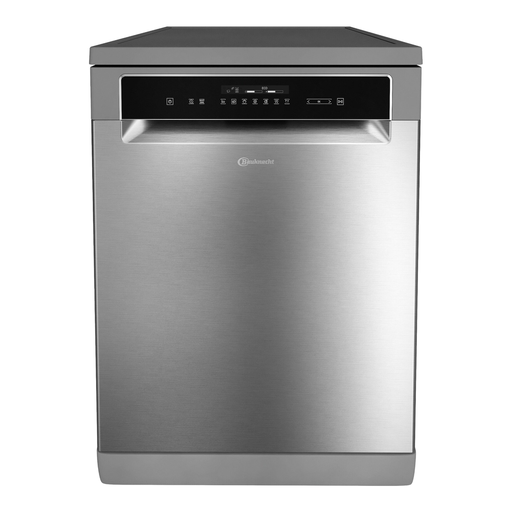 No image available
Bauknecht BFP 5041 PLT X, freestanding, 60 cm, 14 place settings
For larger everyday loads, the product description lists space for 14 place settings and a height-adjustable upper basket.
The Eco programme is listed as using 0.74 kWh and 9.5 l per cycle; a 39-minute programme is also included. C energy rating.
View at Joybuy
Frequently asked questions
Does the place-setting capacity tell me whether my lunchboxes will fit?
No. The stated capacity doesn’t tell you whether your specific lunchboxes, lids and large plates will all fit in the baskets at the same time. Check the basket layout and dimensions, and follow the dishwasher guidance from the relevant manufacturer.
Do I need to rinse everyday dishes thoroughly before putting them in the dishwasher?
No. The German Environment Agency advises against pre-rinsing, particularly with hot water. For efficient use, it recommends running a full load and using the Eco programme.
How do I compare the running costs of two dishwashers?
Start by comparing the stated electricity consumption per 100 Eco cycles on a like-for-like basis. To work out your own costs, multiply this by the number of Eco cycles you expect to run and your electricity tariff; water, detergent and other programmes may add to the total.
What are the rules in Germany for an old appliance and faults after purchase?
Electrical and electronic waste must not go in household rubbish; the German Environment Agency provides advice on how to dispose of it properly. Stiftung ear explains that retailers required to accept returns must take back an old appliance of the same type free of charge when you buy a new one, including when the appliance is handed over at your home on delivery. Your statutory rights against the retailer and a voluntary guarantee are separate forms of protection.


