What should you look for when buying?
First check the space available, the design and the capacity. Then look at programmes for dishes left out for a while, followed by comparable energy, water and convenience details.
| What matters |
What to look for when buying |
Who is it important to? |
| Dried-on food |
Check the manual for a suitable intensive programme. The German Environment Agency recommends removing large food scraps rather than routinely pre-rinsing dishes. |
If plates are left until the next wash, I want a suitable programme and would rather not have to pre-rinse. Around 33% of consumers say cleaning dried-on food is their top priority. |
| Space and load size |
Check the space available, the appliance or niche measurements, and the installation type. Check plate diameter, adjustable baskets and room for pans. The German Environment Agency lists 45 cm models as an option for small kitchens with fewer dishes. |
If dinner plates and cookware need to fit in the machine together, I need suitable baskets and enough room for each load. Around 27% of consumers say fit and capacity are their top priority. |
| Energy use and cycle time |
Compare kWh per 100 Eco cycles, litres per Eco cycle and the Eco programme duration. The consumer advice centre explains these label figures; they do not automatically apply to other programmes. |
For regular washes, I want to compare electricity and water use on a like-for-like programme basis. Around 20% of consumers say ongoing running costs are their top priority. |
| Noise and convenience |
Compare the noise rating for the specific model and check the basket layout, drying method and conditions for individual features. |
In an open-plan kitchen or when washing up in the evening, I look for low noise and easy loading and unloading. Around 20% of consumers say quietness and ease of use come first. |
Joybuy products for your washing-up routine
The models listed include freestanding 45 cm appliances as well as 60 cm integrated and built-under models. Product details include intensive programmes for more heavily soiled dishes. Check the design and details of the specific model variant to make sure it is right for you.
 No image available
Beko BDFS26040XQ, 45 cm
The freestanding 45 cm design could suit a narrow space. Check whether 10 place settings will be enough for your usual load.
10 place settings; energy efficiency class C; height-adjustable upper basket; intensive programme for heavily soiled items.
View at Joybuy
 No image available
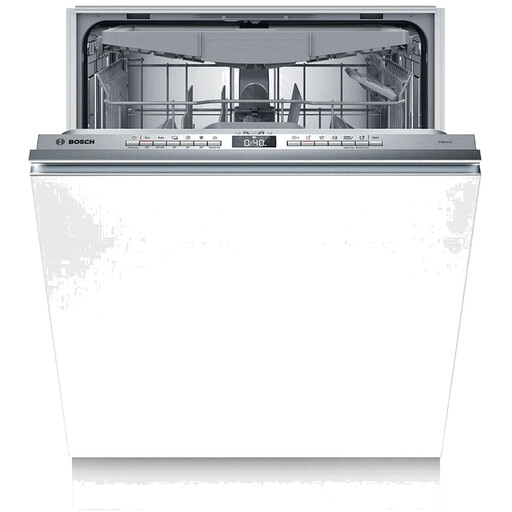
Bosch SMV4HVX03E Series 4, 60 cm
This fully integrated model is designed for a suitable built-in niche and kitchen door panel.
Energy efficiency class D; height-adjustable upper basket; 70 °C intensive programme. Check the appliance dimensions against your installation space.
View at Joybuy
 No image available
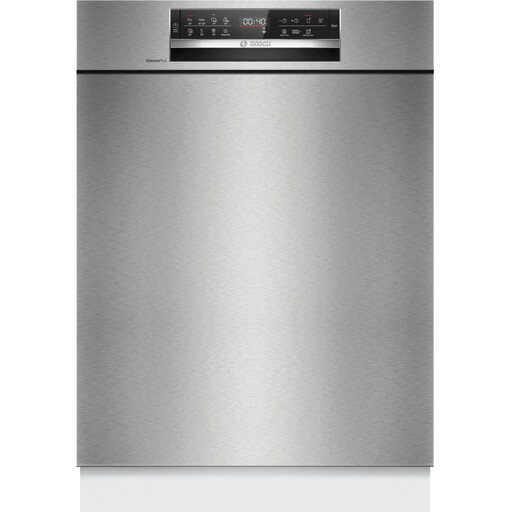
Bosch SMU6ECS12E Series 6, 60 cm
This built-under model could suit larger loads if the maximum niche height of 87,5 cm works with your kitchen.
14 place settings; 42 dB; height-adjustable upper basket; 70 °C intensive programme.
View at Joybuy
 No image available
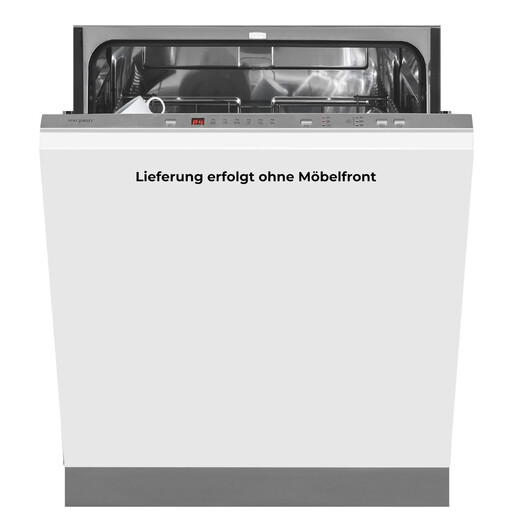
Exquisit EGSP56312-E-030E, 60 cm
This fully integrated model requires a suitable built-in niche. Check the stated width and kitchen door panel.
12 place settings; 49 dB; energy efficiency class E; height-adjustable baskets; intensive programme.
View at Joybuy
 No image available
Exquisit EGSP52109-E-030E, 45 cm
The freestanding 45 cm design could suit a smaller space or lighter loads. Check whether 9 place settings will be enough.
6 programmes; height-adjustable basket; intensive and Eco modes.
View at Joybuy
Frequently asked questions
Do I need to pre-rinse plates with food on them before loading?
No. The German Environment Agency does not recommend routinely pre-rinsing. Remove large food scraps and load the dishes so the spray jets can reach their surfaces. If food has dried on badly, check the appliance manual for a suitable programme.
What do the Eco figures on the EU energy label tell me about quick and intensive programmes?
The consumption figures refer to the Eco programme and do not automatically apply to quick or intensive programmes. Compare Eco figures on a like-for-like basis, and check the appliance documentation for details of other programmes.
Would a 45 cm or 60 cm dishwasher be a better fit?
A 45 cm model could suit a smaller space and fewer dishes. The German Environment Agency lists this design as an option for small kitchens with fewer dishes. If you regularly have larger loads, check whether a 60 cm model will fit the space and accommodate your plates and pans together.
When do I need dishwasher salt?
Set the water softening to suit the local water hardness and follow the appliance manual. The German Environment Agency notes that dishwasher salt needs to be topped up regularly, or you can use a tablet system that provides this function.
What are the rules on energy labels and returning an old dishwasher?
New household dishwashers use the EU energy label, with a scale from A to G. According to the European Commission, the label must also be visible when the appliance is sold online. The German Environment Agency explains that you can return a large old appliance free of charge when buying a new appliance of the same type, including with online purchases delivered to your home. Check the arrangements before ordering.


