A domestic dishwasher may be sufficient for a weekend cookery course if there’s time to run loads between stages and the crockery fits in the baskets. If you need to reuse plates, cutlery or glasses several times in quick succession, consider a commercial undercounter or pass-through dishwasher. Take the items to be washed, your actual workflow and the connections available at the venue into account.
Which dishwashing option is right for you?
Course leaders with peak dishwashing periods
If you need to reuse plates and cutlery several times during a course, compare the items to be washed, the actual throughput and the space available for a commercial machine. Winterhalter and HOBART describe commercial appliance ranges for different dishwashing tasks. However, manufacturers’ throughput figures are no substitute for planning the workflow at your venue.
Course leaders who can plan their wash loads
If you can collect crockery between stages, check that it fits in the baskets and consider how long the Eco programme takes. The Verbraucherzentrale and HEA explain which capacity and consumption figures can be used to compare domestic dishwashers.
Course leaders with limited kitchen space
First check which appliance type, dimensions and connections will work at your venue. For example, Siemens lists dimensions of 815 × 598 × 573 mm for the semi-integrated SN57TS00CE, while HOBART notes that connection options for the PROFI FX depend on the model.
What should you look for in a dishwasher?
Domestic dishwasher
A good fit if: there’s time for a full wash cycle between course stages and you mainly have standard loads of crockery.
Consider: Place settings are a standardised guide to capacity, but you’ll still need to check how large bowls and cooking utensils fit in the specific basket system.
Commercial dishwasher
A good fit if: you need to reuse crockery quickly during several course sessions or regular peak periods shape your workflow.
Consider: HOBART’s stated theoretical output for the PROFI FX does not guarantee the throughput you’ll achieve on your course. Remember to plan for installation and day-to-day use, too.
| What you need |
What to look for when buying |
Who it matters most to |
| Have crockery ready when you need it |
Consider the crockery needed for each course stage, the number of loads required, the programme duration and the time needed to load and unload. |
If plates and cutlery need to be ready again quickly during the course, the workflow between loads matters to me. Around 29% of consumers say wash speed is their main concern. |
| Fit course crockery into the dishwasher |
Use place settings as an initial guide to size, then compare your largest plates and bowls with the interior layout of the specific model. The Verbraucherzentrale notes that the load needs to suit the items you actually wash. |
If the course uses plates and bowls in different sizes, I want to know whether they’ll fit in the baskets without awkward stacking. Around 24% of consumers focus on loading capacity. |
| Manage hygiene during operation |
If the course is run as a food business, clarify how the business is classified and review the entire cleaning and hygiene process. The Federal Office of Consumer Protection and Food Safety (BVL) outlines food businesses’ responsibility to comply with food legislation. |
If the course requires specific hygiene procedures, I need to assess the appliance as part of the overall process. Around 18% of consumers say managing hygiene is their main concern. |
| Fit the appliance at your venue |
Check the available floor space, door clearance, water inlet and drain, and the connection specifications for the exact model variant. Confirm the installation requirements before ordering. |
If space is limited, I first need to find out which appliance type and connections will work at the venue. Around 17% of consumers focus on installation and location. |
| Understand energy and water use |
For domestic appliances, compare kWh per 100 Eco cycles, litres per Eco cycle and Eco programme duration on the same basis. These EU label figures do not show consumption for quick programmes or commercial machines. |
If I want to keep an eye on consumption for the course as I expect to run it, I need figures for the programmes I’ll actually use. Around 12% of consumers share this concern. |
Common buying misconceptions
-
Assuming place settings mean every course item will fit
The number of place settings alone won’t tell you whether large bowls or particular cooking utensils will fit in the baskets.
Check the dimensions and interior layout of the specific model against the largest items you use regularly.
If large items don’t fit properly, you may need to run an extra load during the course.
-
Applying Eco consumption figures to a quick programme
Domestic appliance label figures relate to the Eco programme; they don’t automatically apply to a quick programme.
Compare quick programmes using figures for the specific programme and model, and plan for the number of loads your course requires.
-
Treating theoretical baskets per hour as guaranteed course throughput
HOBART describes the stated output of the PROFI FX as theoretical. Loading, connections and the actual workflow will also affect how your course runs.
Plan the journey from dirty crockery to items ready for use again, and check the connection specifications for your chosen variant.
Loading, detergent, installation and maintenance are all part of planning the workflow.
-
Choosing a domestic appliance feature as the only criterion for a commercial course
If the course is run as a food business, the business is responsible for complying with food legislation. One appliance feature alone cannot confirm that the business’s hygiene procedures are suitable.
First clarify how the business is classified, then assess the appliance as part of the entire cleaning and hygiene process.
Relevant brands and appliance ranges
Bauknecht
A domestic option with freestanding dishwashers; the BK4FB14BN7A0X was listed as a freestanding option in a market review.
- CHIP included the model in its market review, and Bauknecht has a model-specific spare parts page for the BK4FB14BN7A0X.
- This does not indicate that the model is suitable for commercial use, nor does it provide a general assessment of Bauknecht appliances.
Siemens
A domestic option for a suitable built-in space; the SN57TS00CE is a semi-integrated dishwasher.
- Siemens lists a flexComfort Pro basket system, energy class A and Eco programme water consumption of 9.5 litres for this model.
- The Eco figures do not confirm consumption for a particular quick programme or suitability for commercial use.
Winterhalter
A commercial undercounter option, with the configurable UC series for crockery, glasses, cutlery or mixed bistro ware.
- Winterhalter offers UC machines in sizes S, M, L and XL, with a choice of configurations.
- The configuration you choose needs to suit the items you actually wash. The manufacturer’s water-saving figures relate to a previous model and are not an independent comparison with domestic appliances.
HOBART
A commercial pass-through option: the manufacturer describes the PROFI FX as suitable for crockery, cutlery and glasses.
- HOBART states a theoretical output of up to 40 baskets per hour for the PROFI FX, and says it can be switched from 400 V to 230 V on site.
- Check the actual throughput and required connection for the specific model and location.
Miele
A commercial fresh-water option for catering and food service businesses, with the PFD 402 [WB SpeedAir] model.
- Miele states a maximum output of 24 baskets per hour for this model, along with Dry+ drying.
- The maximum throughput is a manufacturer’s figure, not a measured result for a cookery course. Weigh up the commercial features against your actual weekend requirements.
Joybuy dishwashers for your course
These Joybuy products are domestic dishwashers for planned loads between course stages. Before choosing one, check that the appliance type, items to be washed and programme information suit your venue and workflow.
 No image available
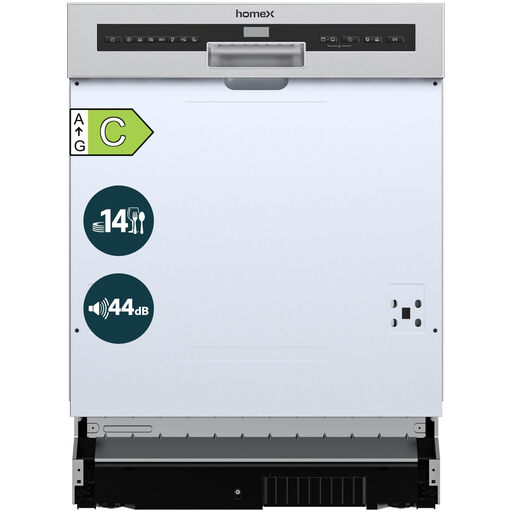
homeX DWSI601444C, semi-integrated, 60 cm, 14 place settings, energy class C
For planned loads when a semi-integrated design suits your venue.
Features include a cutlery drawer and height-adjustable upper basket. The product description states that the appliance is intended for domestic use; this does not establish its suitability for commercial use.
View at Joybuy
 No image available
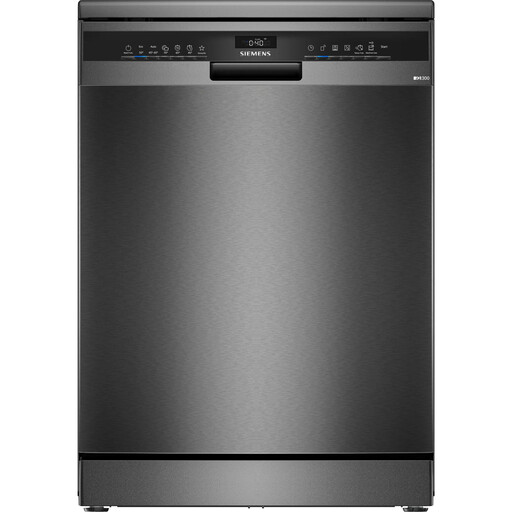
Siemens SN23EC03ME, freestanding, 60 cm, BlackInox, energy class B
A freestanding domestic option if this design suits your venue.
The product name lists autoOpenDry, HomeConnect and varioDrawer. Check the basket layout and programme duration against the loads you’ll have on your course.
View at Joybuy
 No image available
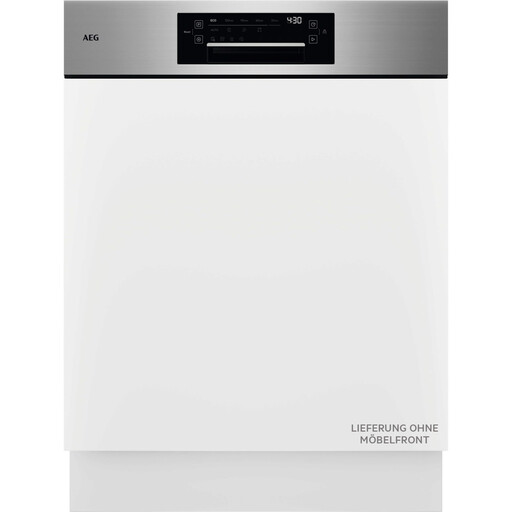
AEG GT9200X2SCM Series 9000, semi-integrated, 14 place settings, 40 dB, energy class A
For a suitable semi-integrated built-in space and planned domestic loads.
The product name lists AirDry and SatelliteClean. Check whether the basket system can accommodate the largest items of crockery you use regularly for your course.
View at Joybuy
 No image available
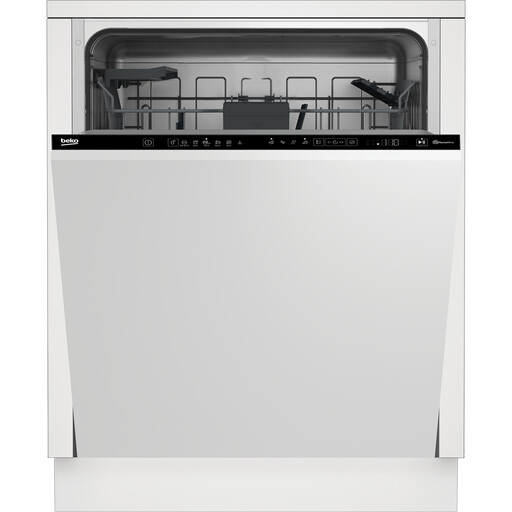
Beko BDIN16O46W, fully integrated, 14 place settings, Quick&Shine, 42 dB, energy class A
A fully integrated domestic option if this design suits the available space.
The product name lists Quick&Shine, SelfDry and HomeWhiz. Compare the stated capacity with the space your plates and bowls need.
View at Joybuy
 No image available
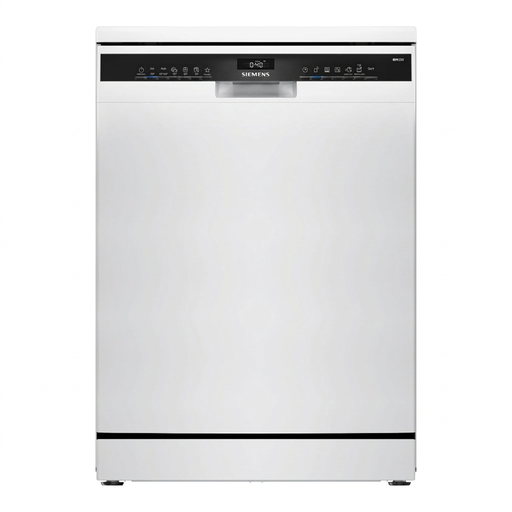
Siemens iQ300 SN23HW05ME, freestanding, 60 cm, white, 14 place settings
A freestanding domestic option, provided the design and dimensions work at your venue.
The product name lists Wi-Fi connectivity and varioDrawer. Check that the largest items you use regularly can be loaded easily.
View at Joybuy
Frequently asked questions about dishwashers for cookery courses
Is a commercial dishwasher required for a weekend cookery course?
The BVL guidance links responsibility under food legislation to how the business is classified; it does not prescribe a particular type of appliance across the board. The BVL describes food businesses as such regardless of whether they operate for profit, and highlights their responsibility to comply with food legislation. So first establish how your specific course is run. Your choice of appliance does not replace the need to organise hygiene procedures.
Can I use Eco consumption figures as a guide to quick wash cycles?
No. The EU energy label for domestic dishwashers shows electricity consumption per 100 Eco cycles and water consumption per Eco cycle. For a quick wash, you’ll need figures for the specific programme and model.
What should I check before installing a commercial pass-through dishwasher?
Compare the specifications for the exact variant with the power supply, water inlet and drain at your venue, and confirm the installation requirements. HOBART says the PROFI FX can be switched from 400 V to 230 V on site. This applies to this model range and does not confirm that your specific location is already suitable.
How should I account for water hardness and maintenance?
Ask your local water supplier about water hardness and follow the instructions for your chosen appliance on water treatment, detergents and maintenance. The Verbraucherzentrale recommends contacting your local water supplier to find out the water hardness.


