What to look for when buying
First check that the rack can hold the number of cups you need; then compare the appliance type, cycle times and consumption figures on a like-for-like programme basis.
| What matters to you |
What to check when buying |
Who will find it most important |
| Cup capacity and rack layout |
Check the height and diameter of your cups against the upper rack, cup shelves and available clearance with your intended load. |
If I want to wash lots of cups, or tall ones, together, what matters is whether they actually fit in the rack. Around 36% of consumers put this cup capacity first. |
| Drying and time until the next use |
Check the specific model’s programme duration and drying method; don’t assume Eco figures apply to other programmes. |
If I’m preparing the next batch for the freezer soon, practical programme times and dry cups matter. Around 29% of consumers prioritise quick reuse and drying. |
| Available space and appliance type |
Check the appliance or niche dimensions, rack space and required connection type together. |
If I have little worktop space or only a narrow niche in my kitchen, the appliance type needs to fit. Around 21% of consumers say the space available is the deciding factor. |
| Consumption with frequent use |
Compare electricity and water figures on the same Eco programme basis, and take into account the programmes you actually need. |
If I regularly wash several batches, I want to compare running costs on a like-for-like basis. Around 14% of consumers prioritise running costs above all else. |
Dishwashers at Joybuy
This selection includes countertop models, as well as slimline and larger dishwashers for different space and loading needs. Before you decide, check that the rack layout, installation requirements and programme options suit your cups.
 No image available
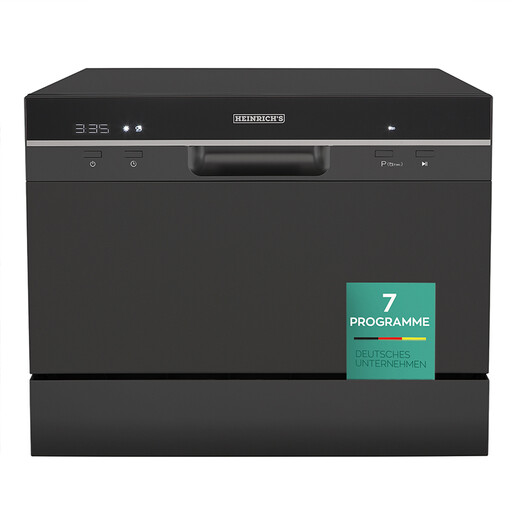
Heinrich's HTG 8840 countertop dishwasher
A countertop model is an option if you’re short on space and your cups fit in the rack.
6 place settings, 7 programmes and a 30-minute programme; automatic door opening for drying.
View at Joybuy
 No image available
Beko BDFS26040XQ freestanding 45 cm dishwasher
This slimline design may suit you if you’re looking for a freestanding appliance with a narrow width and your cups fit the load.
10 place settings and an adjustable upper rack; according to the description, the quick function cuts programme time by up to 70%. Automatic door opening is also listed.
View at Joybuy
 No image available
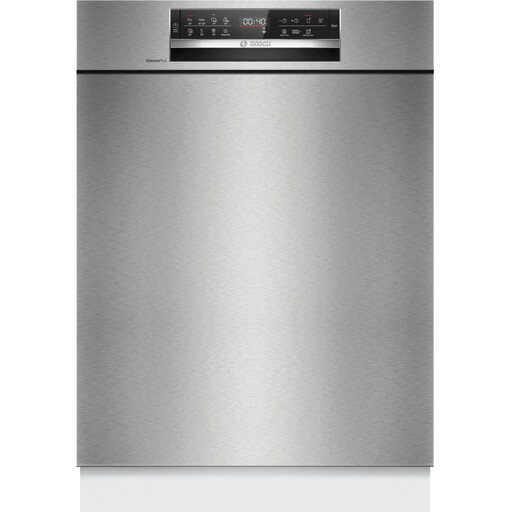
Bosch SMU6ECS12E Series 6, 60 cm
This larger integrated or built-under model may suit you if you have the space and the installation setup, and can fit several cups in the rack together.
14 place settings, flexible racks with an adjustable upper rack, automatic door opening and a Quick programme; 42 dB according to the product name.
View at Joybuy
 No image available
Beko BDFN16O46XW freestanding dishwasher
This freestanding model is designed for a suitable space and connection; check that the rack can hold your batch of cups.
14 place settings and adjustable racks; Quick&Shine takes 90 minutes. Automatic door opening and a half-load function are also listed.
View at Joybuy
 No image available
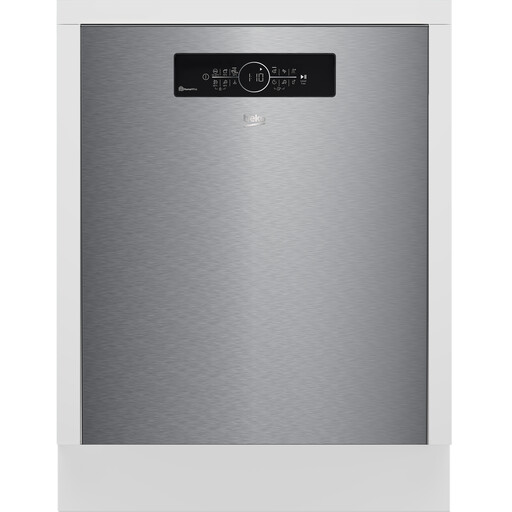
Beko BDUN16O46XW built-under dishwasher
This built-under model is suitable only if your kitchen is set up for it and there’s enough usable rack space for your cups.
14 place settings and an adjustable upper rack; Quick&Shine takes 90 minutes. Automatic door opening for drying is also listed.
View at Joybuy
Frequently asked questions
Can I freeze cups that are dishwasher-safe?
A dishwasher-safe label doesn’t tell you whether the cups are suitable for freezing. If you want to put the cups in the freezer, check the care instructions for those specific cups and, where applicable, their lids separately.
Why can’t I apply Eco consumption figures to a quick programme?
The EU energy label shows energy consumption per 100 Eco cycles, as well as water consumption and programme duration for the Eco programme. You’ll need the appliance’s figures for other programmes; the Eco figure alone doesn’t tell you how much they use.
What does the scale on the EU energy label for dishwashers show?
The European Commission describes a scale from A to G for household dishwashers, in force since 1 March 2021. The rating is a comparison measure; it doesn’t mean that only appliances in a particular class are worth considering.
What should I check before using my dishwasher for the first time and if I notice limescale?
Bosch recommends checking your local water hardness and setting the water softener according to the instructions for your appliance. The manual for your specific model also explains how to use dishwasher salt and rinse aid.
Does an online retailer have to take back an old electrical appliance?
In an FAQ dated 28 July 2022, the Federal Ministry for the Environment explained that take-back obligations also apply to online retailers. Where you can return an appliance and whether it can be collected depends on the applicable terms; check the arrangements when you make your purchase. According to the Ministry, free collection from your home for certain appliances is subject to an agreement being made when the contract is signed.


