What to look for when buying
First, work out which type of appliance will fit your kitchen and how many cups, along with other dishes, will fit in the racks. Then compare programmes and Eco consumption figures to suit the way you’ll use it.
| What matters |
What to check |
Especially important if you |
| Lots of cups alongside other dishes |
Check cup height and handles, cup shelves and rack adjustments with your plates and cutlery in mind. |
Want to wash lots of cups with the rest of your dishes after a meal. The rack layout you can actually use matters most. Around 36% of consumers put a large mixed load first. |
| Appliance type and space |
Check the appliance dimensions, installation type and door clearance, as well as the water inlet and drainage, against your kitchen. |
Have limited space and want to find an appliance that will fit in your kitchen, either freestanding or integrated. Around 29% of consumers prioritise the right appliance type and space requirements. |
| Clean, dry cups when you need them |
Check the programme list and programme times, as well as the drying function on the specific model. |
Need the cups again soon, so a suitable shorter programme and how the appliance dries them are especially important. Around 21% of consumers prioritise being able to reuse their cups quickly. |
| Consumption with regular use |
Compare kWh per 100 Eco cycles, litres per Eco cycle and the duration of the Eco programme. |
Run the dishwasher frequently and want to understand its Eco programme’s electricity and water consumption. Around 14% of consumers focus on low Eco consumption figures. |
Joybuy products for larger and smaller loads
This selection includes freestanding 60 cm models for larger mixed loads, as well as a freestanding 45 cm model and a fully integrated appliance.
 No image available
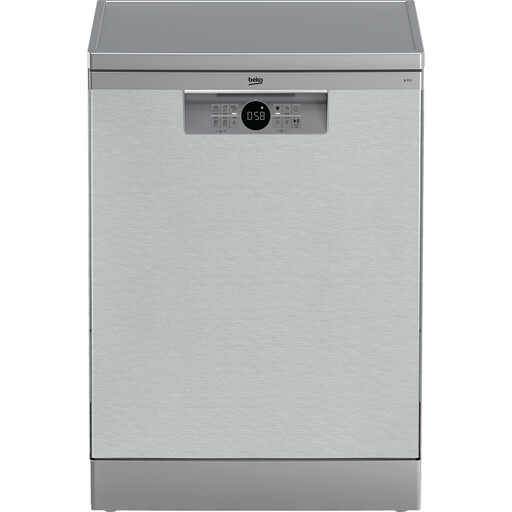
Beko BDFN16O45XW, freestanding, 14 place settings
For a larger mixed load, the adjustable upper basket is worth considering as a loading option.
Quick&Shine is listed as taking around 90 minutes; the model has energy class B. SelfDry opens the door after the programme to help with drying.
As a freestanding 60 cm appliance, it needs suitable space and connections.
View at Joybuy
 No image available
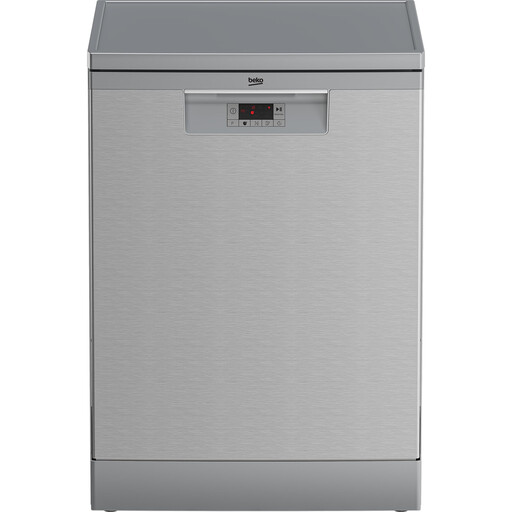
Beko BDFN16O44XW, freestanding, 14 place settings
The adjustable upper basket gives you another way to arrange cups and other dishes.
Quick & Clean is described as taking around 90 minutes; the model has a Half Load function and SelfDry.
As a freestanding 60 cm appliance, it needs suitable space and connections.
View at Joybuy
 No image available
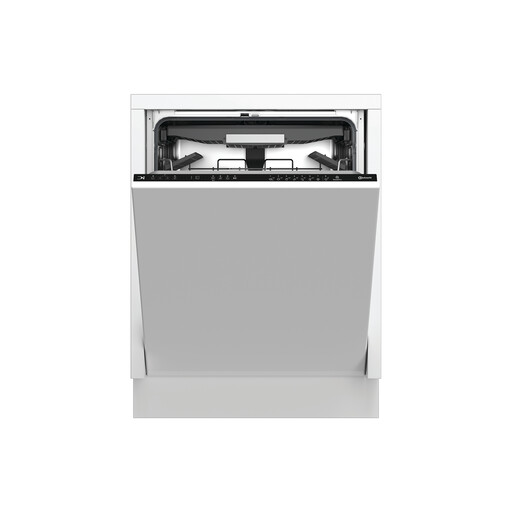
Bauknecht BKSV2IAN3C, fully integrated, 14 place settings
Four fold-down cup shelves and an adjustable upper basket give you different ways to arrange the load.
The model has energy class A. The Rinse & Dry programme is listed as taking 85 minutes; ActiveDry automatically opens the door at the end of the programme and can be switched off.
Fully integrated installation requires a suitable 60 cm space.
View at Joybuy
 No image available
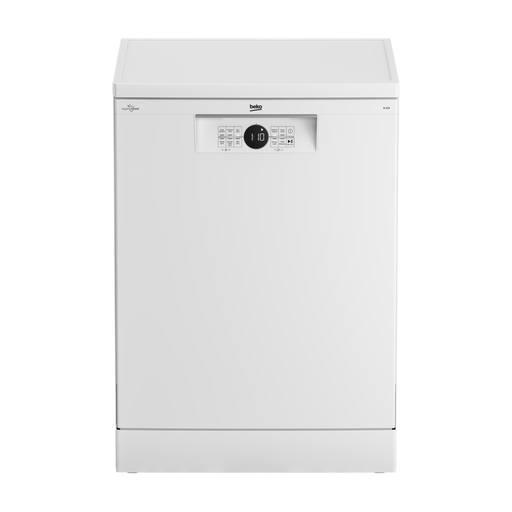
Beko BDFN26430W, freestanding, 14 place settings
Its capacity of 14 place settings is a guide to the size of larger mixed loads, but doesn’t guarantee a specific number of cups.
The model has energy class D and SelfDry, which automatically opens the door after the wash cycle.
As a freestanding 60 cm appliance, it needs suitable space and connections.
View at Joybuy
 No image available
Beko BDFS26040XQ, freestanding, 45 cm, 10 place settings
The slimmer design may be worth considering if you don’t have enough space for a 60 cm appliance.
The model has energy class C and an adjustable upper basket. With 10 place settings, it has a lower stated capacity than the selected 14-place-setting models.
Make sure the space and connections suit your kitchen.
View at Joybuy
Frequently asked questions
Can I put any cup with a glass-and-fork symbol in the dishwasher?
No. The glass-and-fork symbol indicates that an item is suitable for contact with food; it doesn’t mean it’s dishwasher-safe. The Verbraucherzentrale recommends checking the dishwasher-safe and, where relevant, temperature instructions for each cup.
What should I set before the first wash cycle?
Use your appliance manual to find out the water hardness in your area and, if your dishwasher has a water softener, set it accordingly. Bosch recommends doing this in its installation instructions, among other things, to help prevent limescale marks.
Which figures can help me compare running costs?
The EU energy label for household dishwashers shows, among other things, kWh per 100 Eco cycles and litres per Eco cycle. To estimate your own costs, you’ll also need to know how many cycles you expect to run and your electricity and water rates. Quick programmes don’t automatically have the same consumption figures.
Are a guarantee and statutory consumer rights the same thing?
No. Your statutory rights when goods are faulty are against the seller; a guarantee is an additional, voluntary offer subject to its own terms. For purchases made from 31 July 2026, the Verbraucherzentrale describes an extension of the statutory period from two to three years if, within the first two years, you choose a repair under your statutory rights instead of a replacement.
Which labels and rules are relevant in Germany?
The EU energy label for household dishwashers uses a scale from A to G; according to the European Commission, this scale has been in use since 1 March 2021. In Germany, the ElektroG regulates, among other things, the separate collection and take-back of waste electrical appliances. Before placing your order, check with your chosen retailer what conditions apply to having an old appliance taken away.


