What to look for when buying
First check the available space and appliance style, then see how your own bowls fit in the racks. After that, compare the consumption, programme duration and noise levels of the models you’re considering.
| Buying priority |
What to check |
Who it matters most to |
| Space for bowls |
Check the diameter and height of your bowls against the racks, and make sure there’s space around the spray arms. |
If I load wide bowls next to mugs in the morning, I don’t want to rearrange everything because the spray arms are blocked. Roughly 33% of consumers say fitting the family load is their top priority. |
| Style and available space |
Check the niche or installation dimensions, door clearance and connections against the specifications for the exact model. |
If my kitchen only has a narrow niche or a clear section of worktop, the appliance needs to fit the space. Roughly 27% of consumers say finding a dishwasher that fits their kitchen is their top priority. |
| Running costs |
On the same EU label, compare kWh per 100 Eco cycles, litres per Eco cycle and programme duration. |
If I run the dishwasher frequently, I want to get an idea of the electricity and water costs of regular use. Roughly 20% of consumers say running costs are their top priority. |
| Having clean dishes when you need them |
Check the Eco programme duration and short programmes separately, and follow the guidance on loading the dishwasher correctly. |
If the bowls will be needed again soon, the duration of a suitable programme matters to me. Roughly 13% of consumers say getting the timing of a wash right is their top priority. |
| Noise in an open-plan kitchen |
Compare the noise level and noise emission class on the EU label for the exact model. |
If the dishwasher is running while we’re eating together in an open-plan kitchen, I want to take its noise level into account. Roughly 7% of consumers say a quiet wash is their top priority. |
Dishwashers for family loads
This selection includes 60 cm freestanding and integrated models for larger family loads, as well as a 45 cm model for narrower kitchens. Before buying, check whether your bowls will fit and confirm the available dimensions against the specifications for each model.
 No image available
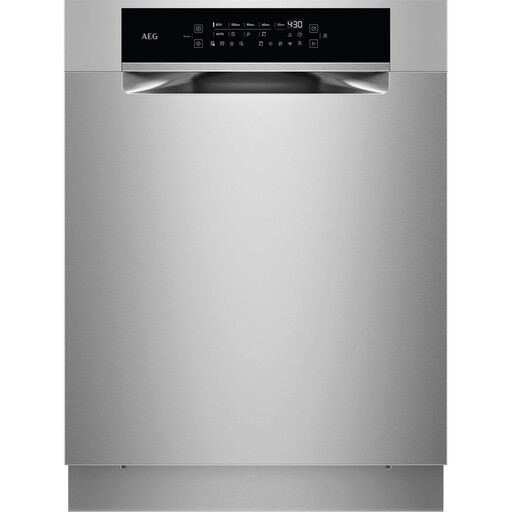
AEG GU9200X2SCM Series 9000 under-counter dishwasher, 14 place settings
This under-counter dishwasher is designed for a larger family load and fits a 60 cm space. Check that the niche suits your kitchen.
14 place settings; 49 kWh per 100 cycles and 8.4 litres per cycle according to the product description; 40 dB and energy efficiency class A according to the product name.
Joybuy
 No image available
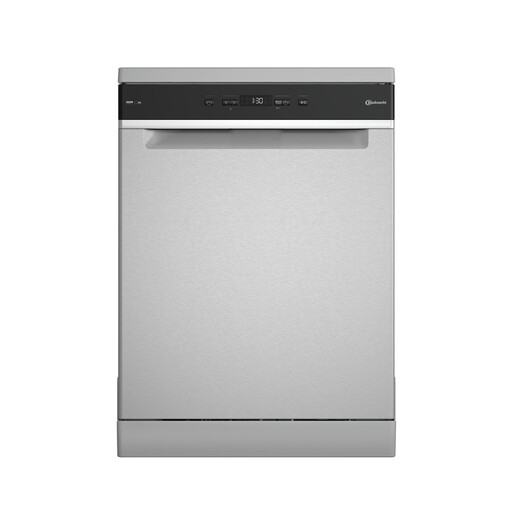
Bauknecht BKSV2FCN3X freestanding dishwasher, 60 cm, 14 place settings
This 60 cm freestanding model may suit you if you have enough floor space and don’t need an integrated installation.
14 place settings; adjustable upper basket and cutlery drawer; 75 kWh per 100 Eco cycles, 8.9 litres per Eco cycle and an Eco programme duration of 3:10 h according to the product description; energy efficiency class C and 41 dB according to the product name.
Joybuy
 No image available
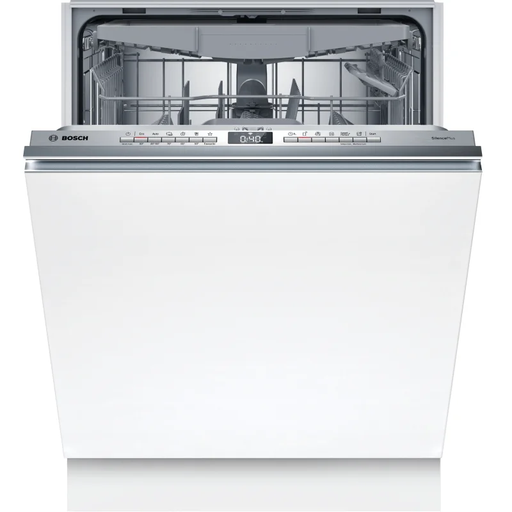
Bosch SMV4EVX08E Series 4 fully integrated dishwasher, 60 cm, 14 place settings
This fully integrated model may suit a larger family load if you have a suitable niche and furniture door.
14 place settings; 65 kWh per 100 Eco cycles and 9.0 litres per Eco cycle; adjustable VarioFlex racks, cutlery drawer and height-adjustable upper basket according to the product description; 44 dB and energy efficiency class B according to the product name.
Joybuy
 No image available
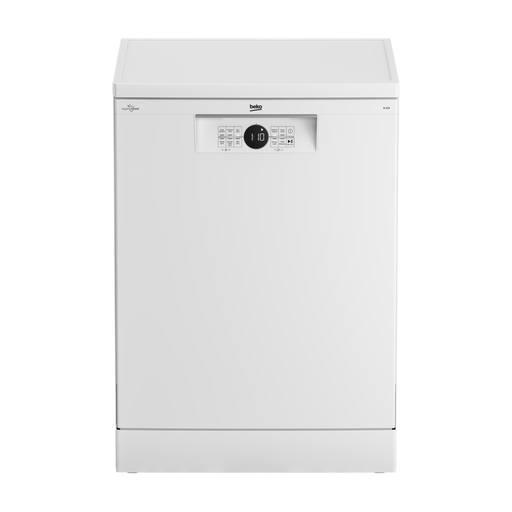
Beko BDFN26430W freestanding dishwasher, 60 cm, 14 place settings
This 60 cm freestanding model is an option for family loads, provided you have the space and the connections are suitable.
14 place settings; height-adjustable upper basket; energy efficiency class D and water consumption of 9.9 litres per Eco cycle according to the manufacturer’s specifications.
Joybuy
 No image available
Beko BDFS26040XQ freestanding dishwasher, 45 cm, 10 place settings
This 45 cm model is one option for a narrower kitchen. Check that your bowls and the rest of the family’s dishes will fit in the racks.
10 place settings; 59 kWh per 100 cycles and 8.9 litres per cycle according to the product description; height-adjustable upper basket; energy efficiency class C according to the product name.
Joybuy
Frequently asked questions
Does the place-setting capacity tell me whether our breakfast bowls will fit?
No. The place-setting capacity refers to a standardised load, not the number of bowls that will fit. Check the shape of your bowls, the rack height and the clearance around the spray arms on the specific model. Hollow items should be positioned so the water can drain away.
Do I need to rinse breakfast bowls before loading them?
No. The Umweltbundesamt advises against pre-rinsing, especially with warm water. Don’t stack dishes, and make sure the spray arms can move freely. If needed, clean the filters and spray arms according to the appliance instructions.
Which figures can help me compare running costs?
The current EU label shows electricity consumption per 100 Eco cycles, water consumption per Eco cycle and programme duration. The Verbraucherzentrale explains these figures. To estimate your own costs, take your expected usage and tariffs into account. The label figures don’t necessarily apply to short or intensive programmes.
What should I check before installing or positioning a dishwasher?
Measure the available space and check the appliance dimensions, door movement, water inlet and drain, and electrical connection against the documentation for your chosen model. A fully integrated model will also need a suitable furniture door.
How do I compare Eco and short programmes?
Compare the Eco programme duration and consumption figures separately from those of a short programme. A particular short programme is only suitable if the appliance instructions recommend it for that load. Its duration doesn’t indicate that it uses the same amount as the Eco programme figures.


