What to look for when buying
| What matters to you |
What to check before buying |
Who is it important to? |
| Family load |
Check the basket layout and see whether open lunchboxes and lids fit alongside plates. |
If I want to load lunchboxes and dishes together after a family meal, the usable space is what counts. Around 31% of consumers put fitting a family load in one wash first. |
| Drying plastic |
Check the drying method on the specific model, as well as the guidance on lids, seals and wash programmes. |
If you often wash plastic lunchboxes and need them again soon, pay particular attention to how dry they are when they come out of the appliance. Around 25% of consumers prioritise drying plastic containers. |
| Kitchen fit |
Measure the width, height and depth of the space, and check the existing built-in or freestanding setup. |
If your kitchen only has a narrow space available, the appliance must fit its width and installation requirements. Around 25% of consumers put kitchen fit first. |
| Eco consumption |
For appliances of a similar size, compare kWh per 100 Eco cycles, litres per Eco cycle and the Eco programme duration. |
If you use your dishwasher regularly and want to keep an eye on electricity and water use, compare the Eco programme figures. Around 19% of consumers prioritise running costs. |
Place settings do not tell you how many of your lunchboxes will actually fit inside the appliance. Germany’s Federal Environment Agency recommends washing dishes using the Eco programme and only running the dishwasher when it is full. Eco programme consumption figures do not apply generally to other programmes.
Joybuy products for family dishes and lunchboxes
The products below include 60 cm models for family loads, models with a stated plastic-drying feature and a slimline 45 cm option. The right choice for you will depend on your kitchen, load and the care instructions for your lunchboxes.
 No product image available
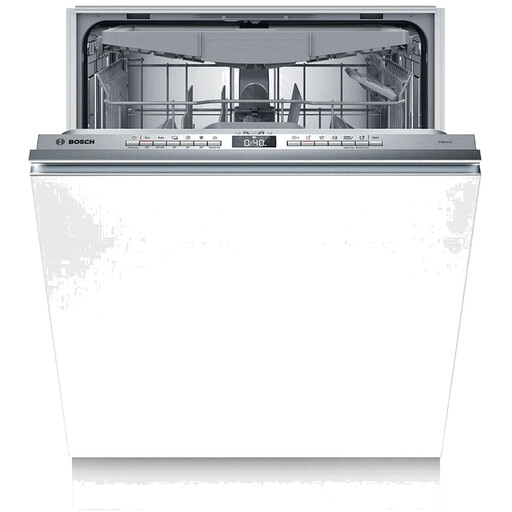
Bosch SMV4HVX03E Series 4, fully integrated
An option if you are looking for a model with a stated plastic-drying feature and your kitchen is suitable for a fully integrated 60 cm appliance.
60 cm, 13 place settings, PerfectDry, Home Connect, D energy rating.
Joybuy
 No product image available
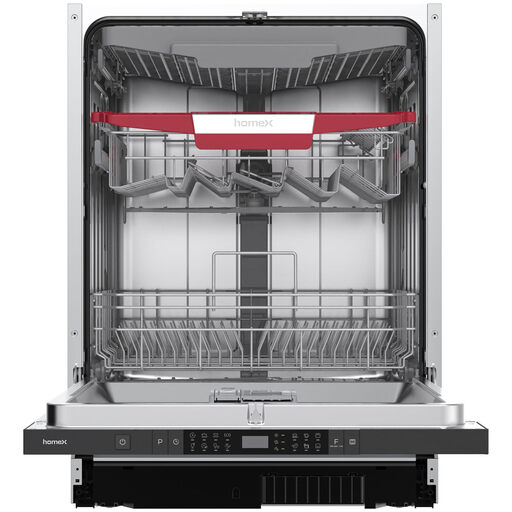
homeX DWFI601444C, fully integrated
A possible choice if your kitchen has space for a fully integrated 60 cm appliance and you are planning to wash a family load together.
60 cm, 14 place settings, 8 programmes, C energy rating, cutlery drawer, AutoDoor.
Joybuy
 No product image available
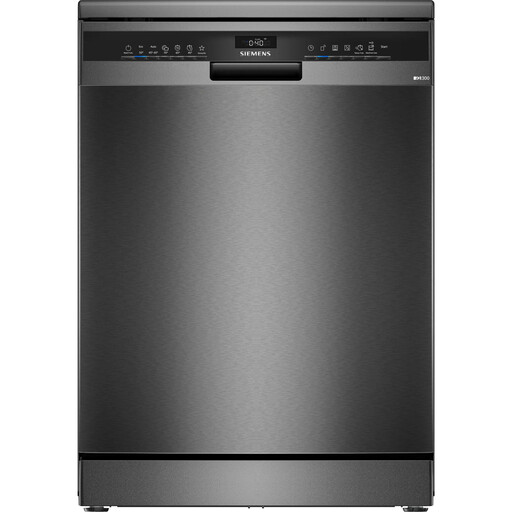
Siemens SN23EC03ME, freestanding
An option if you are considering a freestanding 60 cm model for washing dishes and lunchboxes together.
60 cm, BlackInox, autoOpen dry, Home Connect, varioDrawer, B energy rating.
Joybuy
 No product image available
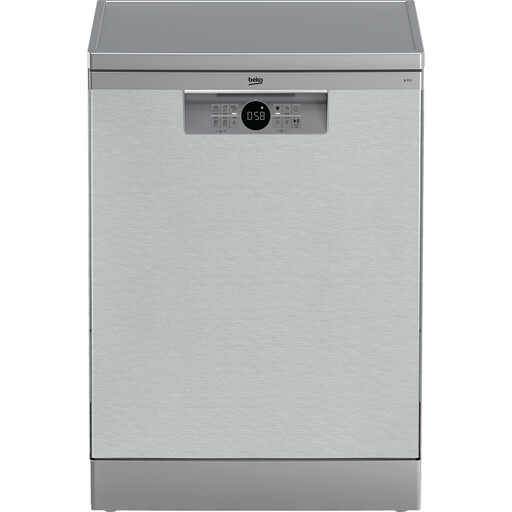
Beko BDFN16O45XW, freestanding
An option for a larger combined load, provided a freestanding appliance suits your kitchen layout.
14 place settings, SelfDry, height-adjustable upper basket, HomeWhiz, 44 dB, B energy rating.
Joybuy
 No product image available
Beko BDFS26040XQ, freestanding, 45 cm
A slimline option if kitchen width is limited and the smaller basket capacity is enough for your usual load.
10 place settings, height-adjustable upper basket, C energy rating.
Joybuy
Frequently asked questions
Can I simply use a hot intensive programme for lunchboxes?
Only if the care instructions for every relevant part allow you to use that programme. Check the container, lid and seals individually rather than assuming that guidance for one part applies to all of them.
What does the EU energy label show for a dishwasher?
Among other things, the label shows energy consumption per 100 Eco cycles, water consumption per Eco cycle, capacity, Eco programme duration and noise levels. These figures relate to the Eco programme and do not apply generally to every programme you choose.
Does an online listing in Germany have to show the energy label?
According to information from Your Europe – the European Union, the energy label must be clearly visible for covered new appliances sold online too. Depending on how it is displayed, you may see the full label or an arrow showing the efficiency class that links to the label and product information sheet. The EU information notes an exception for used products.
Should I rinse lunchboxes thoroughly before putting them in the dishwasher?
Germany’s Federal Environment Agency advises against pre-rinsing dishes, particularly with warm water. Load suitable parts of your lunchboxes so they can be washed, and follow the relevant care instructions.
Does the glass-and-fork symbol mean a lunchbox is dishwasher-safe?
No. According to Germany’s Verbraucherzentrale consumer advice centre, the glass-and-fork symbol indicates that an item is suitable for food contact. Follow the item’s separate care instructions for cleaning.


