Households with lots of mugs
If you wash mugs with other dishes, look for a rack that holds them securely and lets water reach them. Cup shelves and adjustable upper baskets vary by model. For example, AEG lists these features for the FFB73527ZM.


First, check that your usual mugs fit securely in the rack, and that the appliance and connections will work in your kitchen. For smaller loads, a countertop or 45 cm model could be suitable. If you regularly wash mugs with other dishes, a 60 cm model may make sense, provided you can usually run it full. Then compare the specific Eco label figures and programme duration, rather than looking at the energy efficiency rating alone.
If you wash mugs with other dishes, look for a rack that holds them securely and lets water reach them. Cup shelves and adjustable upper baskets vary by model. For example, AEG lists these features for the FFB73527ZM.
First decide whether you have space on the worktop, a narrow gap for a freestanding model or a suitable built-in niche. You can then compare the appliance design and rack layout with the loads you usually wash.
If you can save your mugs and wash them with other dishes in a suitable load, compare the Eco figures for the specific appliance. The Federal Environment Agency notes that its guidance on efficient operation in the Eco programme assumes a full load.
A good fit if: you don’t have a suitable floor-level space and your mugs, along with other dishes, fit the rack layout. Midea lists adjustable cup holders and capacity for six place settings for the ST 3.6F wi.
Things to consider: it takes up worktop space. Also check the connections, dimensions and usable height for your mugs.
A good fit if: your kitchen is narrow or you regularly wash smaller loads. For the freestanding AEG FFB73527ZM, AEG lists two foldable cup shelves and an adjustable upper basket.
Things to consider: with built-in models, the niche and cabinet door must fit. Rack features and Eco consumption also vary between appliances of the same width.
A good fit if: you regularly have plates, bowls and cutlery to wash alongside your mugs, and can usually run the dishwasher full. The Federal Environment Agency recommends a 60 cm model as an efficient choice for households of two or more, provided these conditions are met.
Things to consider: a larger dishwasher isn’t automatically a cost-saving choice if you only have a few mugs to wash. Check the dimensions of the specific model before installation.
| What matters to you | What to check before buying | Who it matters to most |
|---|---|---|
| Fitting your mugs in | Measure your mugs, including their handles, and check the rack, cup shelves and height adjustment on the specific model. Place settings don’t tell you how many mugs will fit. | If you want your mugs to stand securely and check they’ll fit before buying, this is your main priority. Around 36% of consumers put mug fit first. |
| Space and appliance design | Check the available width, depth and height, door clearance and connections. For built-in models, check the niche and kitchen cabinet door too. | If you’re choosing between a worktop, a narrow freestanding space and a built-in niche, the available space comes first. Around 29% of consumers prioritise finding the right appliance design. |
| Consumption with regular use | Compare kWh per 100 Eco cycles, litres per Eco cycle, programme duration and capacity on the EU label. Consider whether you can usually fill the appliance efficiently. | If you want to weigh up the consumption of regular washes, the load size should suit your routine. Around 21% of consumers prioritise consumption with regular use. |
| Using your mugs again soon | Check the Eco programme duration and any short programmes available on the specific model. Don’t assume Eco consumption figures apply to other programmes. | If you’ll need your mugs again soon after the shop, the available programme duration matters. Around 14% of consumers prioritise how long a wash takes. |
The place setting capacity doesn’t tell you how many of your handled mugs will fit securely in the rack.
Measure the mugs you use and check the rack layout and cup shelves on the specific model.
If your mugs and their handles don’t fit as planned, you may need to run an extra load.
The figures on the energy label refer to the Eco programme and don’t automatically describe the consumption of other programmes.
If you need your dishes again quickly, check the programme details for the specific model. Don’t assume the Eco and quick programmes use the same amount.
The Federal Environment Agency’s guidance on full loads applies both to efficient operation in the Eco programme and to its recommendation of a 60 cm model for certain types of household.
Consider the other dishes you wash during the week and choose an appliance design that you can usually fill effectively.
AEG offers slimline freestanding dishwashers; the FFB73527ZM is one specific 45 cm model.
The BDIS38040Q is a fully integrated 45 cm option for a suitable fitted kitchen.
Midea offers countertop and slimline freestanding dishwashers. The countertop ST 3.6F wi is worth considering for smaller loads of mugs.
The SN87TX00CE iQ700 is a fully integrated 60 cm option for a suitable built-in space.
Bosch offers freestanding 45 cm dishwashers across several series, making them an option for narrower kitchens.
This selection includes freestanding 45 cm models and fully integrated dishwashers for suitable built-in spaces. The key things to consider are whether your mugs will fit and the dimensions of your kitchen.
 No image available
The freestanding 45 cm design could suit a narrow kitchen. Check that your mugs will fit in the rack.
10 place settings; energy class C; stainless steel look.
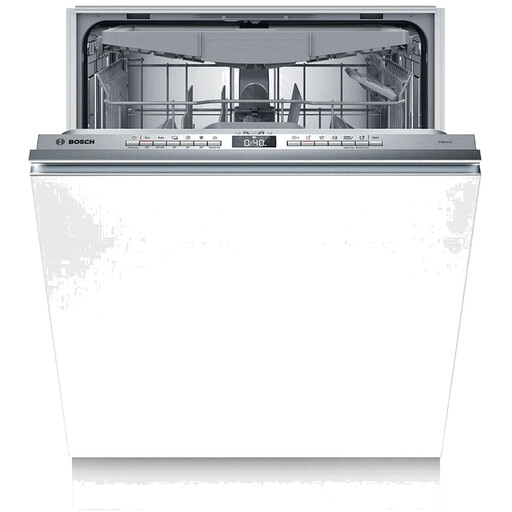 No image available
Could suit a load of mugs alongside other dishes, if you have a suitable built-in niche and cabinet door.
13 place settings; PerfectDry; Home Connect; energy class D.
 No image available
The slimline freestanding design could suit a narrow kitchen. Check the rack layout with your mugs.
9 place settings; 6 programmes.
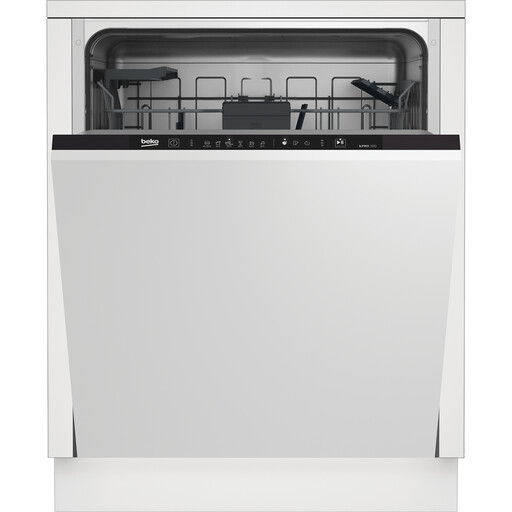 No image available
Could suit a load of mugs alongside other dishes, if you have a suitable built-in niche and cabinet door.
14 place settings; Quick&Shine; SelfDry; 44 dB; energy class B.
 No image available
The freestanding 45 cm design could suit a narrow kitchen. Check that your mugs will fit in the rack.
Energy class E.
No. According to the consumer advice centre, it indicates that an item is suitable for contact with food, not that it is dishwasher-safe. Check the care instructions for your mug too.
On the EU label, compare energy consumption in kWh per 100 Eco cycles and water consumption per Eco cycle. The Eco figures shown don’t automatically apply to other programmes, so check the programme duration too.
Divide the stated consumption in kWh per 100 Eco cycles by 100, then multiply it by the number of cycles you expect to run and your own electricity price per kWh. You’ll need the relevant consumption figures for other programmes.
The Federal Environment Agency explains that water softening requires regeneration salt, or you can use suitable all-in-one tablets. Follow the care instructions for your water hardness and appliance; limescale can affect efficiency and lifespan.