Hosts with large loads
You want to wash lots of dishwasher-safe cutlery alongside plates after a meal together, so you need plenty of usable space.


If you regularly need to wash a lot of cutlery and crockery together after a meal, a suitable 60 cm dishwasher is an obvious choice, provided you have the space or the right-sized built-in niche. If space is limited, consider a 45 cm or tabletop model, as long as its smaller capacity suits your everyday needs. Choose a cutlery basket or drawer to suit the way you load the machine, and if you need everything by a set time, allow for the duration of the programme you actually plan to use.
You want to wash lots of dishwasher-safe cutlery alongside plates after a meal together, so you need plenty of usable space.
Your available floor space or built-in niche limits your options. You’re weighing up a 45 cm or tabletop model against the possibility of needing extra wash cycles.
You need the cutlery back by a certain time, so you’re considering the duration of the programme you plan to use as well as the dishwasher’s capacity.
First, check that the load and appliance dimensions suit your kitchen. Then compare the cutlery layout, programme duration and Eco figures on a like-for-like basis.
| What matters | What to check before buying | Who it matters most to |
|---|---|---|
| Room for the whole load | Place settings and appliance type; check the rack layout against your usual mix of cutlery, plates and bowls. | If the cutlery and everyday crockery need to go in together after a meal, the usable space is what matters to me. Around 28% of consumers put capacity first in this situation. |
| Loading the cutlery | Compare the cutlery basket or drawer and its layout on the specific model. | If lots of cutlery needs to be loaded quickly or sorted individually, ease of use matters to me. Around 22% of consumers focus on cutlery organisation. |
| The right appliance type | Check the appliance dimensions against the available space or built-in niche, and make sure the required connections are in place. | If the kitchen only has a narrow niche or limited floor space, the appliance has to fit. Smaller models may mean extra cycles for a large post-dinner load. Around 22% of consumers prioritise finding an appliance that fits their kitchen. |
| Cutlery back in time | Check the duration and permitted load for the programme you plan to use in the manual. | If I need the cutlery back by a certain time, I plan around the duration of the right programme. Around 17% of consumers prioritise wash time. |
| Energy use and care | Compare kWh per 100 Eco cycles and litres per Eco cycle within a suitable size class; check the water hardness and care instructions. | If the appliance runs frequently, I want to take its ongoing electricity and water use into account. Around 11% of consumers focus on running costs and care. |
The Verbraucherzentrale recommends comparing factors such as Eco consumption figures and programme duration when choosing a dishwasher. These figures relate to the Eco programme; they do not show the duration or consumption of a different programme. The Umweltbundesamt points out that slimline models use more electricity and water per unit than full-size models.
The capacity figure doesn’t tell you how well your bowls and a particularly cutlery-heavy load will fit in the racks.
Check the rack layout using a typical load after a meal together.
If serving dishes and cutlery don’t fit together, you may need extra wash cycles.
The published Eco figures apply to the Eco programme. A shorter programme doesn’t mean it uses the same amount of electricity and water.
Compare programme data on a like-for-like basis and plan around the duration of the programme you actually intend to use.
The Umweltbundesamt says slimline models use more electricity and water per unit than full-size models. Depending on the model, a tabletop dishwasher may have even less capacity.
Choose a size that suits your kitchen and usual load, then compare the specific Eco figures.
If capacity is too low, you may need to run extra cycles.
The symbol indicates that an item is suitable for contact with food; it doesn’t automatically mean it can be cleaned in a dishwasher.
Only put cutlery in the dishwasher if its care instructions say it’s suitable.
Machine-washing cutlery that isn’t approved for it may cause damage.
Worth considering if you’re choosing between a cutlery basket and drawer, or comparing different installation options.
A 45 cm built-in option for a narrow niche, with flexible cutlery storage.
A 60 cm built-in option with a cutlery drawer and published Eco figures for the specific model.
A slimline built-in option if kitchen space is limited.
A tabletop model may be an option if your kitchen doesn’t have room for a larger appliance.
The following Joybuy offers include 60 cm dishwashers with a cutlery drawer or tray, suitable for shared loads.
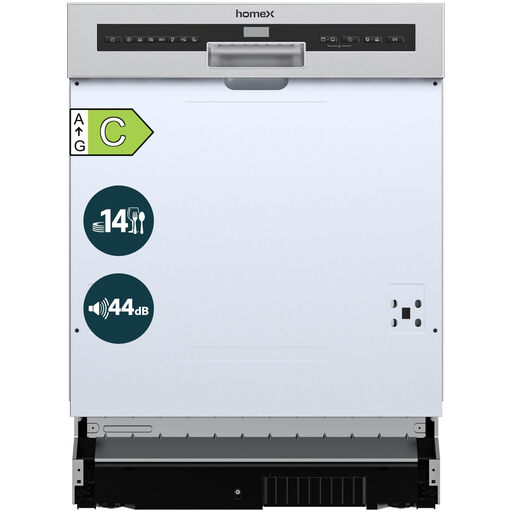 No image available
For a shared load, if 14 place settings and a cutlery drawer suit your kitchen layout.
60 cm wide; semi-integrated design. The product description lists eight programmes.
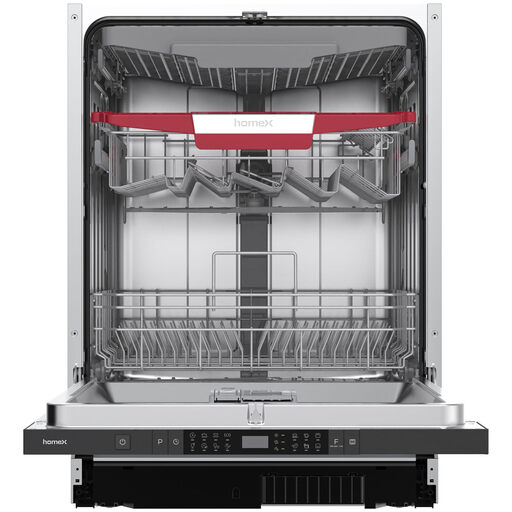 No image available
The cutlery drawer and 14 place settings are designed for a shared load, provided the niche and cabinet door fit.
60 cm wide; fully integrated design. The description lists an Auto Sensor programme, MultiZone and an ECO programme.
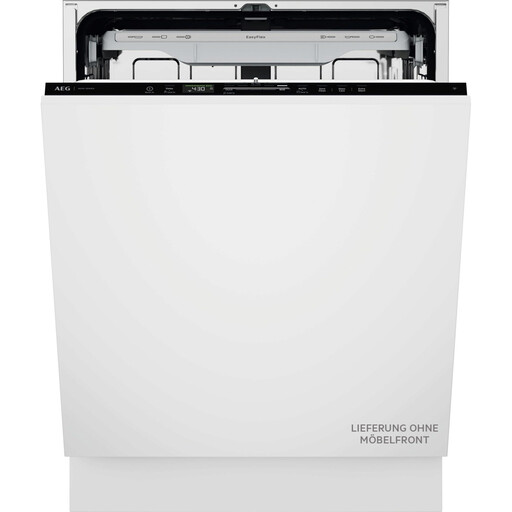 No image available
For a shared load of cutlery and crockery, if 14 place settings and a cutlery drawer suit your needs.
The description lists water consumption of 8.4 l per cycle and an ECO programme. Before buying, check that the specified installation type suits your niche and cabinet door.
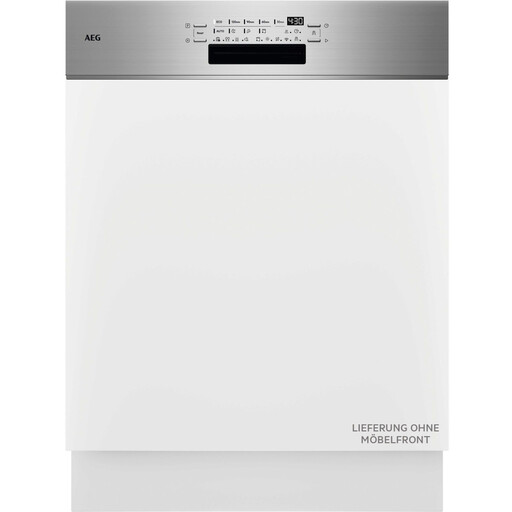 No image available
14 place settings and a cutlery drawer may suit a shared load; check that the installation type works in your kitchen.
The description lists water consumption of 8.4 l per cycle, as well as Quick 30 min and Eco 50°C programmes. Check the model manual for programme duration and suitability for your load.
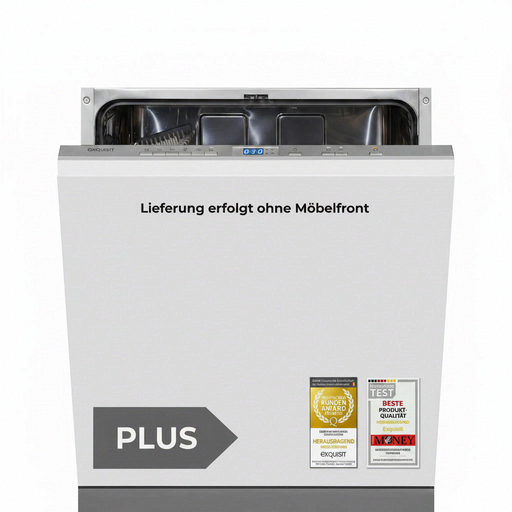 No image available
For a shared load, if 13 place settings and a cutlery tray in the upper rack suit the way you load the dishwasher.
60 cm design. The description lists ECO, a short programme and a 90-minute programme; check the load capacity and duration for the programme you plan to use.
No. According to the Verbraucherzentrale, the symbol indicates that an item is suitable for contact with food. Check the item’s care instructions to find out whether it can go in the dishwasher.
No. The kWh per 100 cycles, water consumption and programme duration shown on the EU energy label relate to the Eco programme. For another programme, check the figures for that specific model and programme. For a personal cost calculation, use your own electricity and water rates.
Set up the appliance according to its manual and make sure it’s suitable for your existing connections, or have it installed accordingly. Follow the manufacturer’s instructions for detergent, dishwasher salt and rinse aid, and take your water hardness into account. The Umweltbundesamt recommends not rinsing dishes with warm water before loading them.
No. The Verbraucherzentrale distinguishes between the statutory warranty you have with the seller and a voluntary guarantee with its own terms and conditions. If an installation or service package is offered, also check what it includes.