What should you look for when buying?
Freestanding or integrated dishwasher
A good fit if: you have enough space for a freestanding or integrated model, suitable connections and regularly wash lunch boxes along with other dishes.
Consider: space and connection requirements are more important than they are with a tabletop model. Measure your boxes and check the baskets of the specific model.
Tabletop dishwasher with a permanent water connection
A good fit if: you have worktop space, water connections and a drain, and your boxes fit in the basket.
Consider: there’s less room inside. A model that holds six place settings offers a different loading option from a mini model that holds three.
Tabletop dishwasher with a water tank
A good fit if: you don’t have a usable permanent water supply and mainly need to wash smaller loads.
Consider: you’ll need to fill the tank, and you’ll still need a safe way to drain the wastewater.
Measure your boxes and check the connections, drying features and loading capacity of the specific model before deciding which type is right for you.
| What matters |
What to check when buying |
Who is it most important for? |
| Cleaning without damaging materials |
Check the care instructions for the containers, lids and seals, and make sure the programmes are suitable. The spray arms must be able to move freely. |
If I want to clean different lunch box parts safely according to their individual care instructions, the material is my priority. Around 33% of consumers focus on cleaning that’s suitable for the materials when choosing a dishwasher. |
| Space for lunch boxes and dishes |
Compare the internal dimensions, basket layout and door clearance with the boxes you use. Check Eco consumption figures for a comparable load. |
When washing several boxes and shared dishes, I want to know whether everything will fit comfortably in the basket. Around 27% of consumers prioritise capacity for shared loads when choosing a dishwasher. |
| Space and connections |
Check the dishwasher’s dimensions and compare the water supply, electricity and drain connections with the intended location. |
If space is limited or there’s no permanent water supply, I need a dishwasher that can be installed safely in the available space. Around 20% of consumers base their choice mainly on space and connection options. |
| Drying and operation |
Check the drying method, programme duration and stated noise emissions for the specific model. Check for residual water on the boxes before putting them away. |
If I want to put the boxes away soon after the cycle, or the dishwasher is in a shared area, drying performance and noise matter to me. Around 20% of consumers focus on these operating features. |
Dishwashers at Joybuy
The Joybuy products below include freestanding dishwashers and tabletop models with water tanks, to suit different space and connection requirements.
 No image available
Beko BDFS26040XQ, 45 cm, 10 place settings, energy rating C, stainless steel effect
A freestanding option for shared loads, provided you have a suitable water connection and drain.
10 place settings; six programmes, including Eco and Intensive; height-adjustable upper basket; automatic door opening; water softener and cutlery drawer.
View at Joybuy
 No image available
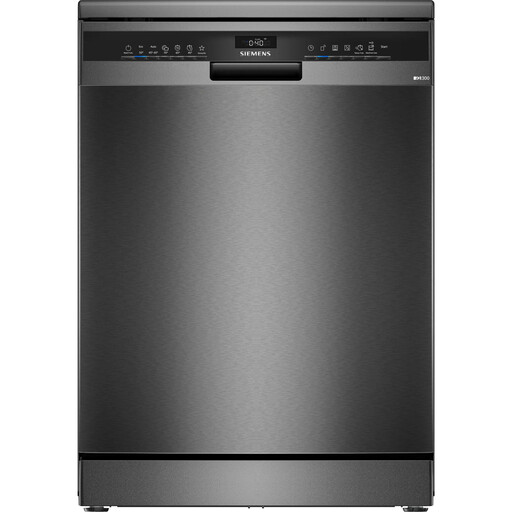
Siemens SN23EC03ME, 60 cm, 14 place settings, energy rating B
An option for regularly washing lunch boxes and other dishes, provided the space and connections are suitable.
14 place settings; Eco and Intensive programmes; varioFlex basket and varioDrawer. Siemens lists water consumption of 9.0 l per Eco cycle and autoOpen dry for this model.
As a freestanding 60 cm model, it needs suitable water and electrical connections.
View at Joybuy
 No image available
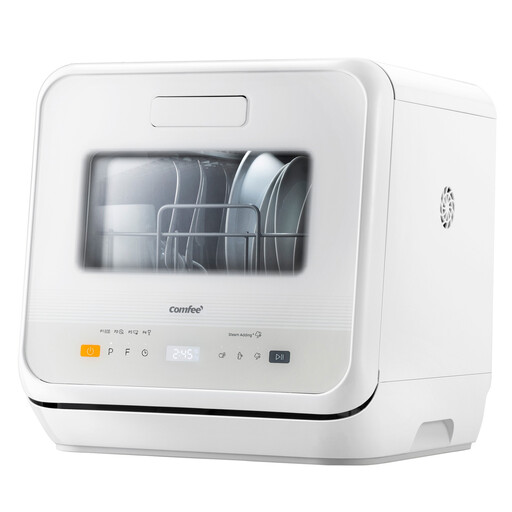
Comfee' CDWMTO201D(W), tabletop dishwasher with 5-l water tank
Tank operation is an option if there’s no permanent water supply. You’ll still need electricity and a safe way to drain the wastewater.
Built-in 5-l water tank; Eco, Rapid and Baby-Care programmes; Extra Dry and a ventilated storage function for up to 72 hours.
The tank needs to be filled by hand, so plan for drainage at the installation site.
View at Joybuy
 No image available
AIRMSEN tabletop dishwasher, 5-l water tank, 4 place settings, energy rating D
A compact tank model for smaller loads and spaces without a permanent water supply. If you have several lunch boxes, you may need to run additional cycles.
4 place settings; 9 programmes, including Eco; stated dimensions of 37 × 50 cm; 60-minute drying and 72-hour ventilation.
The tank doesn’t replace the need for electricity or a safe way to drain the wastewater.
View at Joybuy
 No image available
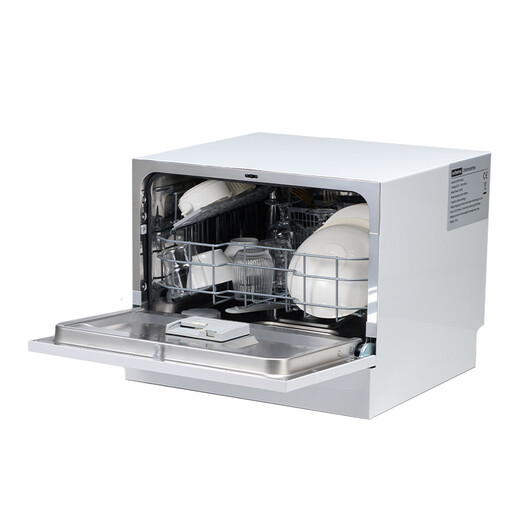
Ochama tabletop dishwasher, 6 place settings, 8 functions
A tabletop option for smaller shared loads, provided you have a suitable space and a permanent water connection.
6 place settings; eight functions; 30-minute quick wash and built-in water softener.
The stated number of place settings doesn’t guarantee that a particular number of lunch boxes will fit. Check the fit in the dishwasher.
View at Joybuy
Frequently asked questions
Is the glass-and-fork symbol enough to show that a lunch box can go in the dishwasher?
No. The symbol indicates that an item is suitable for contact with food, not that it’s dishwasher-safe. Check the instructions for the container, lid and seal separately.
Does a tabletop dishwasher with a water tank need to be connected?
A tank model doesn’t need a permanent water supply, but it still needs electricity and a safe way to drain the wastewater. Follow the installation and drainage instructions for the specific model.
Which programme should I use for lunch boxes in a shared kitchen?
Choose a programme that suits both the level of soiling and the care instructions for every part of the lunch box. The German Federal Institute for Risk Assessment recommends washing plastic chopping boards at over 60 °C. This isn’t a general temperature recommendation for lunch boxes, nor does it confirm that every container can withstand that temperature.
How do I compare energy use and noise levels?
Compare kWh per 100 Eco cycles, litres per Eco cycle, programme duration and dB(A) on the same label. The EU energy label shows these figures. Estimate electricity use based on how many cycles you expect to run. Eco figures don’t automatically reflect the consumption of other programmes.
Which energy label applies to new dishwashers in Germany?
New household dishwashers are covered by the EU energy label, which, according to “Your Europe”, must also be visible when buying online. The current efficiency scale runs from A to G; older ratings such as A++ no longer apply.


