First, choose a format and capacity that suit your kitchen and the size of your typical weekly load, then check that your boxes and lids fit securely in the racks. If you want to unload plastic containers as dry as possible, the drying method used by the specific model matters. For occasional full loads, Eco consumption figures are more important. Manufacturers’ claims about drying plastic are not independent comparative tests.
Which features suit which needs?
If you prepare plastic containers
If you wash several reusable containers after your weekly shop and want to unload them as dry as possible, check the care instructions for your containers, make sure they sit securely in the rack and look at the drying method used by the specific model.
If you build up a larger weekly load
If you have lots of other dishes to wash as well as lunchboxes, consider how much usable rack space there is and whether the appliance will regularly be run with a full load.
If you’re planning for a small kitchen
If you have a narrow space or a particular installation to work around, check the appliance dimensions against your kitchen and make sure your largest boxes and lids fit in the rack system.
What should you look for when buying?
Start by deciding on the format and capacity you need. Then compare the rack layout, drying method and Eco consumption figures with the way you plan to use it.
| Priority |
What to check when buying |
Who is this especially relevant to? |
| Unloading dry plastic containers |
The drying method specified for the particular model and a layout that lets water drain away. |
If I want to unload plastic containers as dry as possible straight after a wash, drying is my priority. Around 26% of consumers put this first. |
| Space for the weekly load |
Compare the appliance dimensions, usable rack space and height adjustment with your largest boxes and the rest of your dishes. |
If the boxes, lids and other dishes all need to fit in together, the actual rack layout is what matters to me. Around 21% of consumers prioritise space for the whole load. |
| Cleaning containers properly every day |
Check the care instructions for the boxes and lids, and make sure the rack layout and programmes are suitable. |
If I regularly wash different boxes and lids, I want to follow their care instructions and arrange them sensibly in the dishwasher. Around 21% of consumers pay particular attention to everyday cleaning. |
| Electricity, water and running costs |
Compare kWh per 100 Eco cycles and litres per Eco cycle. For an estimate of costs, also take your usage and electricity tariff into account. |
If I want to weigh up the ongoing costs, I compare consumption figures on the same Eco basis. Around 16% of consumers put purchase and running costs first. |
| Noise and installation convenience |
Check the noise level in dB(A), the appliance dimensions and, for built-in models, the door front and installation requirements. |
If the appliance needs to fit my kitchen and cause as little disruption as possible when running, I check its dimensions and noise rating. Around 16% of consumers prioritise noise and installation convenience. |
Common mistakes when choosing
-
Assuming place settings mean there’s room for tall boxes
The capacity rating and usable rack dimensions answer different questions. A box may still be awkward to position, even if the place-setting capacity seems sufficient.
Measure your largest containers and lids, then check the rack heights, available spaces and adjustment options for the specific model.
A poorly suited layout could mean extra wash cycles or more effort when loading the dishwasher.
-
Treating drying claims as a guarantee
Claims about Zeolith or automatic door opening relate to specific models or manufacturer test conditions. They don’t automatically tell you how dry your own plastic load will be.
Check the drying method used by the specific model and read manufacturer comparisons alongside the conditions they specify.
Depending on the results, you may need to leave items to air-dry for a while after the cycle.
-
Comparing only the energy rating and purchase price
Eco consumption figures and how often you run the dishwasher also affect its running costs.
Compare kWh per 100 Eco cycles and litres per cycle on the same basis. Take your usage and electricity tariff into account when making your own assessment.
Key brands to consider
Bosch
The models featured range from freestanding 60 cm appliances to fully integrated dishwashers. The format and rack features vary from model to model.
- Bosch says that PerfectDry delivers better drying results for plastic under the specific comparison conditions it sets out.
- This manufacturer claim does not automatically apply to every Bosch model or every lunchbox. Check the model, format and rack features individually.
Siemens
According to Siemens Home Appliances, the fully integrated 60 cm SN65ZX17CE model features Zeolith drying.
- The manufacturer’s website lists plastic drying as a feature of this model.
- The details are specific to this model. A fully integrated appliance also requires a suitable kitchen setup.
AEG
The FSE32407Z built-in model is a 45 cm example with AirDry. AEG Germany lists it as having 9 place settings and an energy efficiency class of E.
- The product details describe automatic door opening to help with drying.
- The place-setting capacity alone doesn’t tell you whether bulky lunchboxes will fit in the specific rack system.
Miele
The integrated G 5811 SCi Active Plus model is listed on the German product page with AutoOpen, a cutlery tray and an energy efficiency class of A.
- Miele describes automatic door opening as a drying aid.
- The product details are not independent evidence of how dry your particular plastic containers will be. Check the installation type too.
Beko
For the BDIN16440 built-in model, Beko lists 14 place settings, energy efficiency class C and SelfDry.
- The manufacturer says the model features automatic door opening.
- According to Beko, the upper rack is not height-adjustable. This is important if you have tall lunchboxes; the drying claim is still a manufacturer statement.
Joybuy products
The Joybuy models below include fully integrated, built-under and freestanding options, with a range of rack and drying features. Check that each model’s installation requirements and dimensions work for your kitchen and your largest boxes.
 No image available
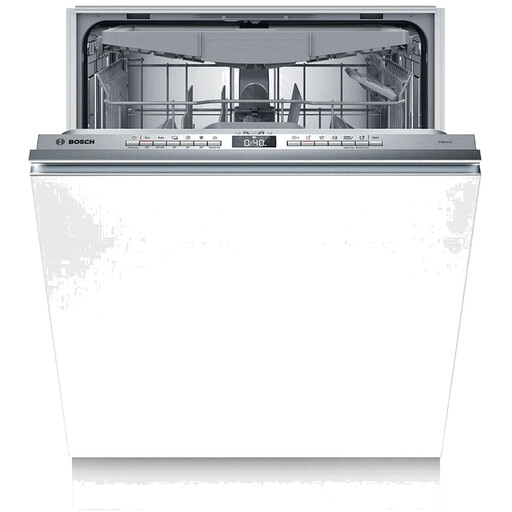
Bosch SMV4HVX03E Series 4, fully integrated
For a fully integrated kitchen, if you want to consider a drying function designed for plastic.
The product description lists a 60 cm width, 13 place settings, PerfectDry, Home Connect and an energy efficiency class of D. The description says the furniture door is not included.
View at Joybuy
 No image available
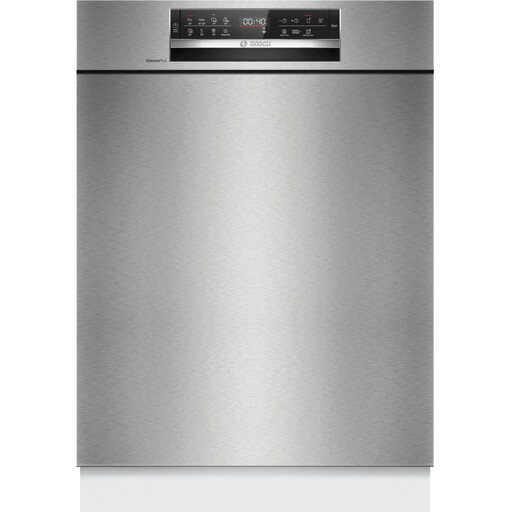
Bosch SMU6ECS12E Series 6, built-under
For a suitable built-under kitchen setup, if you’re looking for a flexible rack layout to fit items of different sizes.
The product description lists a 60 cm width, 14 place settings, automatic door opening, a height-adjustable upper rack, fold-down rack elements, Max-Flex racks and VarioDrawer. The recess dimensions and connections need to suit your kitchen.
View at Joybuy
 No image available
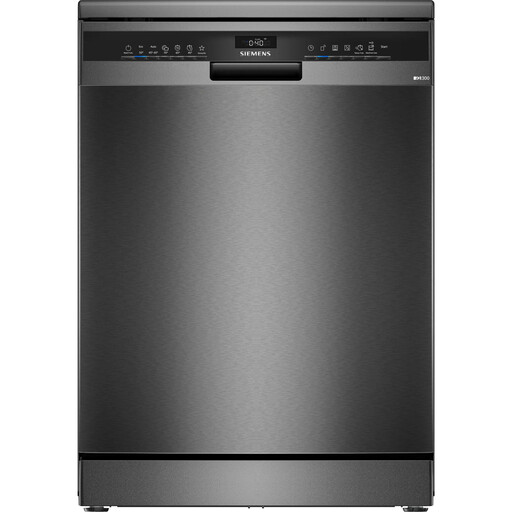
Siemens SN23EC03ME, freestanding
For a kitchen designed for a freestanding appliance, if automatic door opening to help with drying is an option you’re considering.
The product name lists a 60 cm width, 14 place settings, autoOpen dry, Home Connect, varioDrawer and an energy efficiency class of B. The product description also mentions a height-adjustable upper rack.
View at Joybuy
 No image available
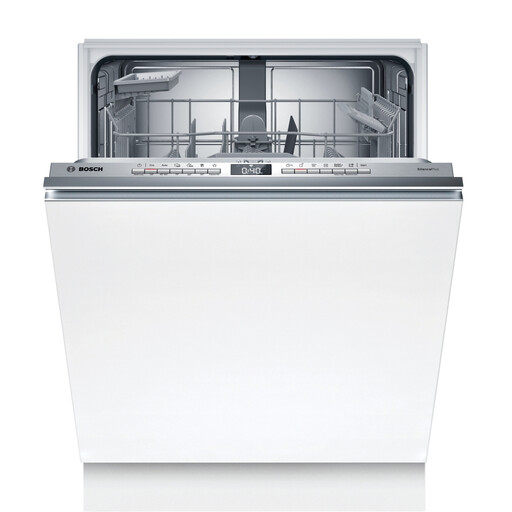
Bosch Series 4 SMV4EAX28E, fully integrated
For a fully integrated kitchen, if you want to consider automatic door opening and a height-adjustable upper rack.
The product description lists 13 place settings, 42 dB(A), automatic door opening, Home Connect, AquaStop and an energy efficiency class of A, along with an upper rack that adjusts to three different heights. The description says the furniture door is not included.
View at Joybuy
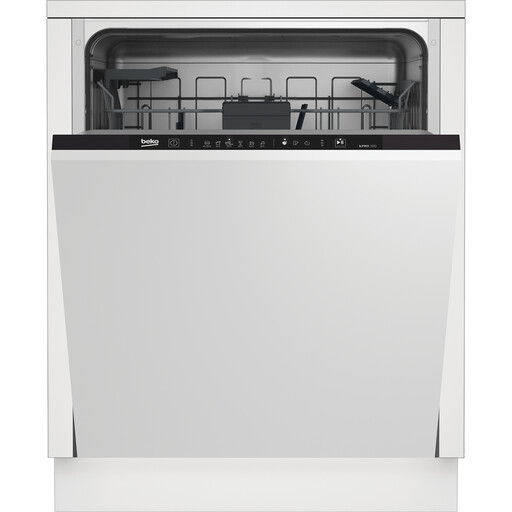 No image available
Beko BDIN16O45W, fully integrated
For a suitable fully integrated kitchen, if adjustable rack elements and automatic door opening might work for your load.
The product name lists 14 place settings, SelfDry, 44 dB and an energy efficiency class of B. The description mentions a height-adjustable upper rack and fold-down supports; the door front and installation dimensions need to suit your kitchen.
View at Joybuy
Frequently asked questions
Does the glass-and-fork symbol confirm that my lunchbox is dishwasher-safe?
No. According to the Verbraucherzentrale, the symbol indicates that an item is suitable for contact with food; it does not automatically mean it is dishwasher-safe. Follow the care instructions for the box and lid.
How dry do plastic containers get with automatic door opening?
You can’t tell from this feature alone. Manufacturers’ details describe the technology used, but they don’t independently prove how it will perform on your particular load of containers. Check the model information and how the items are positioned.
What do the energy rating and consumption figures mean for the way I use it?
The EU energy label shows, among other things, electricity consumption per 100 Eco cycles, water consumption per Eco cycle, programme duration, capacity and noise emissions. To estimate your own costs, you’ll also need to consider how you use the appliance and your electricity tariff.
Should I rinse lunchboxes with warm water before running the dishwasher?
The German Environment Agency advises against pre-rinsing, particularly with warm water, and recommends running full loads on the Eco programme. Also follow the care instructions for each container.
Is the place-setting capacity enough to tell me whether my lunchboxes will fit?
No. Measure your largest boxes and lids, then compare their dimensions with the rack layout and adjustment options of the specific model. The place-setting capacity alone doesn’t describe the usable space and shape.


