What should you consider when choosing one?
First compare the amount of crockery you share with the space available, then check that the programme duration and consumption suit the times you use it.
60 cm model
A good fit if: you regularly have plates and other dishes belonging to several people to wash, and there’s enough space for a freestanding or built-in model.
Things to weigh up: It needs more space, and efficient use of the Eco programme depends on having a suitable, preferably full load. The German Environment Agency highlights the importance of running a full machine.
45 cm model
A good fit if: floor space is limited or you regularly have a smaller load of dishes to wash.
Things to weigh up: The smaller capacity may mean that a large shared load won’t all fit at once. The German Environment Agency notes that 45 cm models use more electricity and water per unit than larger models.
Tabletop dishwasher
A good fit if: there’s no suitable space on the floor and you only have a small shared load to wash.
Things to weigh up: Check that the worktop, open door and water connections will all work in the space you have in mind. If the tabletop model has a tank, you’ll also need to work out how the wastewater will drain away.
| What matters |
What to check before buying |
Who should consider this? |
| Space for all your plates |
Measure your largest plate and check that the adjustable baskets and spray arm leave enough clearance. |
If I want to load plates belonging to several housemates together, they need to fit properly. Around 29% of consumers put capacity for shared loads of plates first. |
| Positioning and connections |
Check the appliance dimensions, clearance for the door and the water inlet and outlet at the intended location. |
If the kitchen has limited space or the connections aren’t where you want to put the dishwasher, you’ll need a model that suits the layout. Around 23% of consumers prioritise positioning and connections. |
| Having clean dishes ready in time |
Check the Eco programme duration and any shorter programmes; don’t assume different programmes have the same settings. |
If I need the plates again before the next meal, the programme duration needs to fit around our mealtimes. Around 18% of consumers prioritise having their dishes ready again quickly. |
| Electricity and water consumption |
Consider kWh per 100 Eco cycles, litres per Eco cycle and capacity together. |
If we run the dishwasher often, I want to understand the consumption of our regular Eco cycles. Around 18% of consumers look first at electricity and water consumption. |
| Operating noise |
Compare the noise level of the specific model with the times you plan to run it. |
If the dishwasher will be running while others are using the kitchen or nearby rooms, its noise level should suit the times when people need peace and quiet. Around 12% of consumers consider operating noise the most important factor. |
Joybuy products for shared loads of dishes
The Joybuy products below are suited to shared loads of dishes and are mostly 60 cm freestanding or built-in models.
 No image available
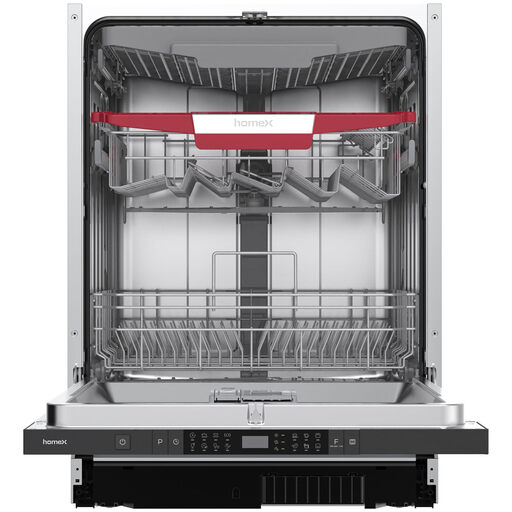
homeX DWFI601444C, fully integrated, 60 cm
For shared loads of dishes, provided you have a suitable space for a built-in model and a compatible kitchen door panel.
14 place settings, 8 programmes, energy efficiency rating C, AquaStop and a cutlery tray; the product name also lists 44 dB and automatic door opening.
View at Joybuy
 No image available
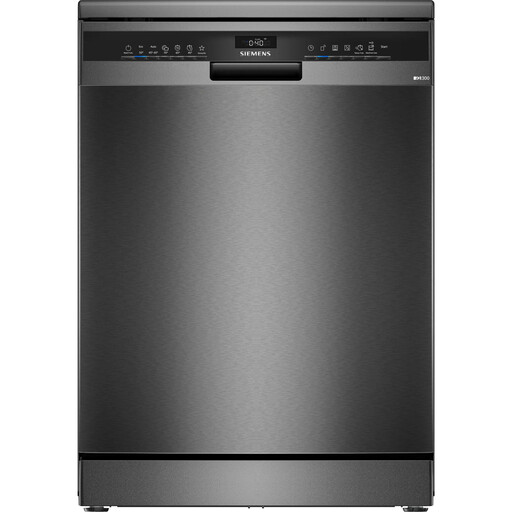
Siemens SN23EC03ME, freestanding, 60 cm
A freestanding model for shared loads of dishes, if the available space and connections are suitable.
14 place settings, energy efficiency rating B, varioSpeed Plus and a varioDrawer cutlery tray; HomeConnect and autoOpenDry are listed in the product name.
View at Joybuy
 No image available
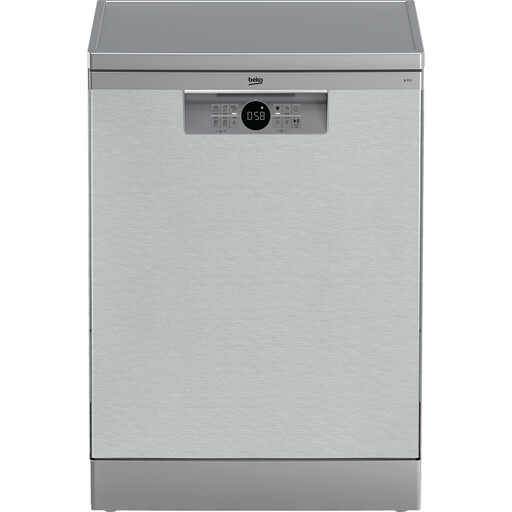
Beko BDFN16O45XW, 14 place settings
For several people’s plates in a shared load, provided your plates fit in the baskets.
14 place settings, Quick&Shine, SelfDry, HomeWhiz and energy efficiency rating B; the product name also lists 44 dB.
View at Joybuy
 No image available
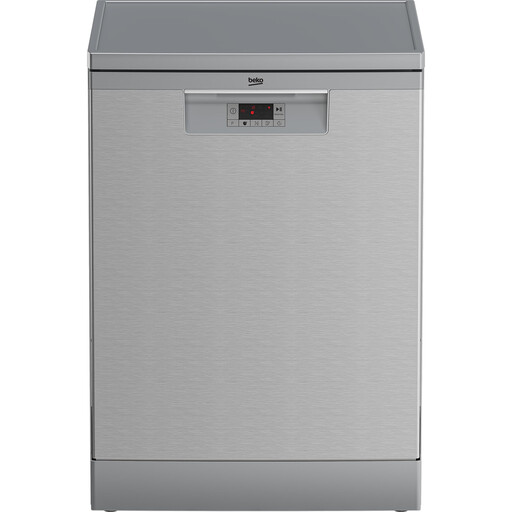
Beko BDFN16O44XW, freestanding, 60 cm
The stated capacity is designed for shared loads of dishes; check there’s room for your largest plates.
14 place settings, 5 programmes, half-load option, Quick & Clean, SelfDry and a height-adjustable upper basket; the product name also lists 44 dB and energy efficiency rating B.
View at Joybuy
 No image available
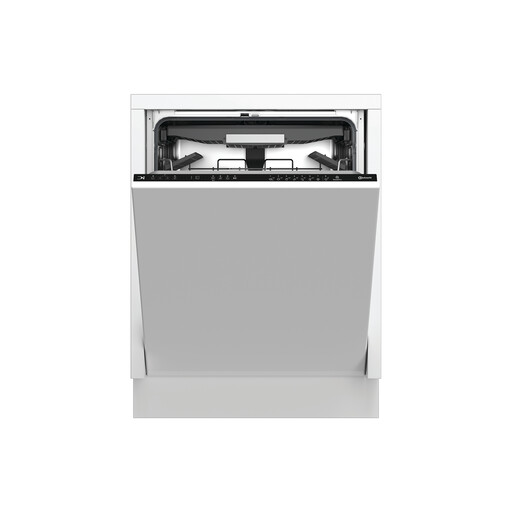
Bauknecht BKSV2IAN3C, fully integrated, 60 cm
For shared loads of dishes, if you have a suitable built-in space and kitchen door panel.
14 place settings, energy efficiency rating A, ActiveDry, MultiZone and a sensor programme; the product name also lists 41 dB.
View at Joybuy
Frequently asked questions
Will a tabletop dishwasher fit everyone’s plates?
Only if it can fit the shared load and your largest plates. Exquisit gives the tabletop GSP206-030D a capacity of six place settings, but you’ll still need to check the usable space inside the baskets.
What should I check before installing a dishwasher in a shared kitchen?
Measure the space and the clearance needed for the open door, and check how the water will flow in and drain away. According to the manufacturer, the Exquisit GSP206-030D is 81 cm deep with the door open. If you’re making changes to shared connections, check with the people responsible first.
How can I wash dishes as economically as possible?
The German Environment Agency recommends running a full load on the Eco programme and not rinsing dishes with hot water beforehand. Scrape off large food scraps and use detergent, salt and rinse aid according to the appliance instructions and your local water hardness.
What should a house share consider when it comes to running costs and warranty cover?
Compare electricity and water consumption using the Eco label, and check before ordering which connection or old-appliance services are available. If your purchase is faulty, statutory consumer rights against the seller are separate from a voluntary guarantee, as explained by the consumer advice centre.
What does the EU energy label show for dishwashers?
The European Commission explains that household dishwashers have used the A to G scale since 1 March 2021. The figures for electricity consumption, water consumption, programme duration and noise level are also relevant when choosing a model.


