Which buying criteria matter for breakfast bowls?
First decide what size load will fit in the space you have. Then you can make a useful comparison of Eco figures and your washing routine.
| What matters to you? |
What should you check before buying? |
Who is this especially important for? |
| Capacity for a full load of dishes |
Use place settings as a guide and check that your bowls and taller items will fit in the racks. |
If I want to collect bowls with plates and other dishes, the machine should only run once there’s a suitable full load. Around 36% of consumers put capacity for washing a full load first. |
| Space and appliance design |
Measure the width, height and depth; distinguish between freestanding, built-in and countertop models, and check the connections required. |
If I only have a narrow gap or worktop space free in my kitchen, the appliance needs to fit exactly there. Around 29% of consumers focus mainly on available space and appliance design. |
| Eco consumption |
Compare electricity use per 100 Eco cycles and water use per Eco cycle on the same label basis. |
If I can collect dishes for full Eco loads, I want to take comparable electricity and water figures into account. Around 21% of consumers prioritise Eco consumption. |
| Having the bowls ready again |
Check the programmes and cycle time for the specific model; don’t assume Eco figures apply to quick programmes. |
If I need the same bowls again soon, I want to know which programmes the specific appliance offers. Around 14% of consumers prioritise having their bowls available again quickly. |
The European Commission explains that the EU energy label includes information such as electricity consumption per 100 Eco cycles, water consumption per Eco cycle, Eco programme duration and capacity. Compare the figures for the exact model variant and an appliance size that suits your usual load.
Dishwashers at Joybuy for different kitchen spaces
This selection includes slimline and 60 cm appliances, as well as undercounter and countertop models for different kitchen spaces and load sizes.
 No image available
Beko BDFS26040XQ, freestanding, 45 cm
A slimline freestanding option if a 60 cm appliance won’t fit in the space you have; check that its capacity suits the amount of washing-up you actually produce.
- 10 place settings
- Energy class C
- Stainless steel look
View at Joybuy
 No image available
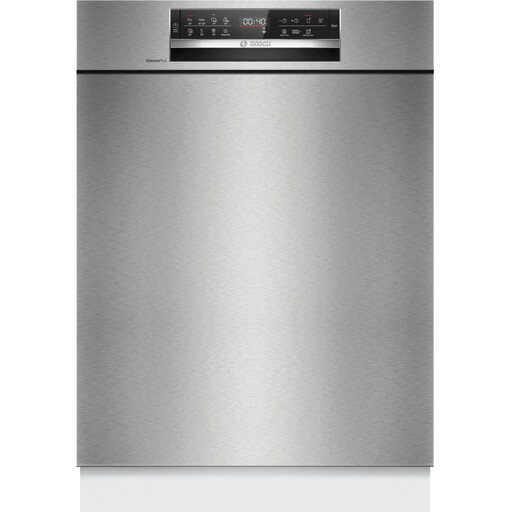
Bosch SMU6ECS12E Series 6, built-in, 60 cm
Could suit larger, combined loads if you have a suitable built-in space; check the dimensions of the recess and the connections.
- 14 place settings
- Energy class A
- Brushed stainless steel
- 42 dB
View at Joybuy
 No image available
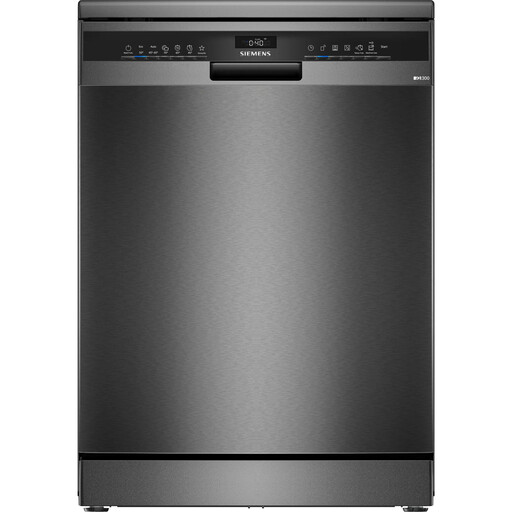
Siemens SN23EC03ME, freestanding, 60 cm
A freestanding option for kitchens with enough space and households that collect a full load; compare the interior layout with your bowls.
- BlackInox
- Energy class B
- Home Connect
View at Joybuy
 No image available
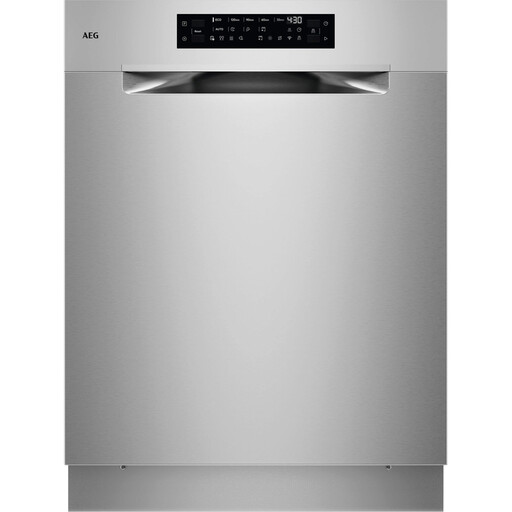
AEG GU8200A2SCM Series 8000, undercounter
Suitable for larger, combined loads if you have a suitable space beneath your worktop. If you need individual bowls again soon, note that the stated 30-minute programme is for lightly soiled dishes.
- 14 place settings
- Energy class A
- 40 dB
View at Joybuy
 No image available
Comfee CDWMTO201D(W), countertop dishwasher
An option for small loads if you have a suitable spot on your worktop; check that the interior space and water supply work for your kitchen.
- Built-in 5-l water tank
- 6+3 programmes
- Energy class D
View at Joybuy
Frequently asked questions about buying a dishwasher
Which consumption figures should I compare when buying?
On the EU energy label, compare details such as electricity consumption per 100 Eco cycles, water consumption per Eco cycle, Eco programme duration and capacity. The European Commission lists these figures for dishwashers; don’t assume the Eco figures apply to a quick programme.
Do I need to rinse breakfast bowls before loading them?
Load the bowls so they don’t touch or shield one another from the water during the wash. The German Environment Agency recommends running the machine as full as possible and using the Eco programme.
What should I know about hard water?
The German Environment Agency points out that limescale deposits can reduce efficiency and shorten the appliance’s lifespan. Follow the manufacturer’s instructions for your specific model on water-softener settings and regenerating salt.
Who should I contact if there’s a fault?
For consumer purchases in Germany, statutory rights relating to faulty goods generally apply against the seller. The Verbraucherzentrale outlines a two-year period and, for sales contracts from 31 July 2026, a one-off 12-month extension in certain circumstances if you choose a repair when a fault occurs. This is separate from any voluntary manufacturer’s guarantee.
What can I do with my old dishwasher?
Ask the retailer about options for returning your old appliance. The German Federal Ministry for the Environment explains that online retailers are also required to take back old electrical appliances; whether free home collection is available depends on the conditions in force and the arrangements made at the time of purchase.


