What should you look for when buying?
If you can collect the bowls until it’s time to wash them, a domestic dishwasher could be a good solution, provided the load and available kitchen space are right. If crockery needs to be washed and put back into use throughout the class, look separately at the workflow and any commercial requirements.
60 cm domestic dishwasher
Suitable if: you can collect the bowls and wash them after class, and have a suitable space for a freestanding or built-in appliance.
Consider: place settings and Eco figures don’t tell you how many deep bowls will fit, or what the throughput will be across repeated rounds of a class.
45 cm domestic dishwasher
Suitable if: your space is narrow and the bowls you need to wash fit in the racks.
Consider: the narrower design solves a space problem, but doesn’t automatically meet the need to wash lots of bowls in a short time. You may need to plan for several loads.
Commercial undercounter dishwasher
Suitable if: crockery needs to be washed regularly during the class, or the class is part of a food business.
Consider: the right model needs to suit the items being washed, the batch sizes and the business’s workflow. The label “commercial” alone doesn’t tell you that.
| Buying priority |
What to look for |
Who is it most relevant to? |
| Have bowls ready to use again in good time |
Bowls per round and time until they can be reused; check the programmes and batch capacity. |
If I need the bowls again during the class, the time until the next usable load matters. Around 36% of consumers prioritise a quick turnaround of crockery. |
| Fit deep breakfast bowls in the dishwasher |
Compare the diameter and depth of your bowls with the rack spacing and adjustable elements. |
I want the bowls I actually use to fit the racks as well as possible, rather than having to plan for unnecessary extra loads. Around 29% of consumers have this as their main priority. |
| Choose the right design and connections |
Check the available floor space or niche dimensions, door clearance and the water, drainage and electrical connections for the model. |
If my kitchen has little room for a freestanding or built-in appliance, the machine needs to fit the space without compromising the load I need to wash. Around 21% of consumers prioritise limited kitchen space. |
| Estimate consumption and running costs |
For domestic appliances, compare electricity use per 100 Eco cycles, water use per Eco cycle and the duration of the Eco programme. |
I want to match consumption to how often I expect to use the machine, without assuming that Eco figures apply to every class programme. Around 14% of consumers prioritise running costs. |
Domestic dishwashers for washing up after class
The Joybuy products below include freestanding and integrated domestic dishwashers for collecting and washing bowls after class. Check that your bowls fit regardless of the stated place-setting capacity.
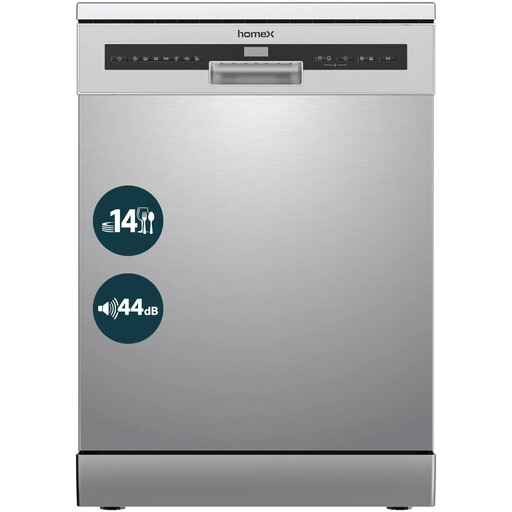 Image unavailable
homeX DWFS601444C-S
This freestanding model is worth considering if you collect the bowls after class. Check that they fit in the racks alongside your other crockery.
60 cm, 14 place settings, suitable for undercounter installation, AquaStop, energy efficiency class C.
View at Joybuy
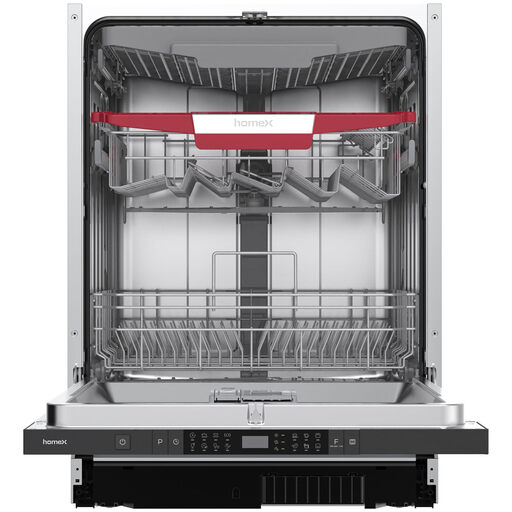 Image unavailable
homeX DWFI601444C
This fully integrated design is worth considering if your kitchen is set up for it and you want to collect the bowls before washing them.
60 cm, 14 place settings, 8 programmes, energy efficiency class C; Rapid and Intensive programmes, cutlery drawer, 44 dB.
View at Joybuy
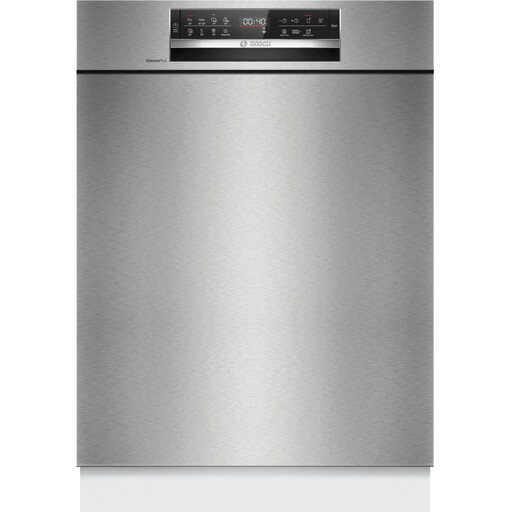 Image unavailable
Bosch SMU6ECS12E Series 6
This built-in option could work if your kitchen dimensions are suitable. Check how your bowls fit in the rack layout of this specific model.
60 cm, 14 place settings, Home Connect, 42 dB.
View at Joybuy
 Image unavailable
Exquisit EGSP52109-E-030E
This slim freestanding design is worth considering if floor space is limited and the bowls you need to wash fit in the racks.
45 cm, 9 place settings, 6 programmes, silver; Intensive and Eco modes.
View at Joybuy
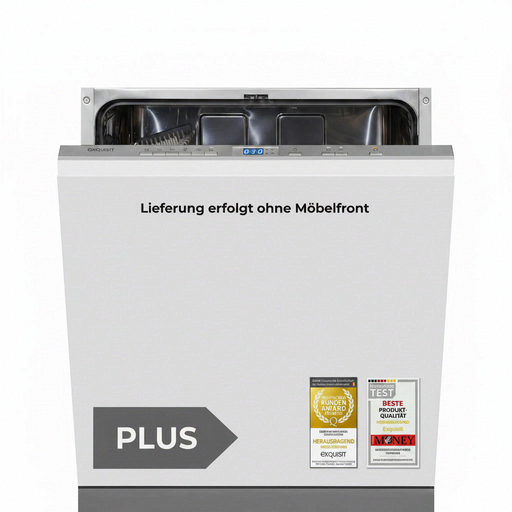 Image unavailable
Exquisit EGSP52113-E-030E
This fully integrated option is designed for a suitable fitted kitchen. Check the rack layout and appliance dimensions before choosing.
60 cm, 13 place settings, 6 programmes, including ECO, Intensive, Short and 90 minutes.
View at Joybuy
Frequently asked questions
Are 14 place settings enough for 14 breakfast bowls?
No, you can’t work out how many bowls will fit from that figure. Place settings are a standard measure of capacity, so compare the dimensions and number of your bowls with the racks of the specific appliance.
Can I wash any breakfast bowl on the Intensive or Quick programme?
No, not simply because it’s a breakfast bowl. Check the dishwasher-suitability information on the crockery and the appliance’s programme instructions. The consumer advice centre explains how to tell whether kitchen items are dishwasher-safe.
What should I check before installing and using the dishwasher?
For the specific model, check the appliance and available-space dimensions, including door clearance, as well as the water, drainage and electrical connections. Then follow the manufacturer’s instructions for loading and care, and make sure the bowls don’t block the water flow.
How can I compare running costs?
For domestic appliances, the EU energy label shows electricity use per 100 Eco cycles and water use per Eco cycle. To estimate your own electricity costs, multiply the label figure by the number of comparable Eco cycles you expect to run each year, then divide by 100. Take your electricity tariff, detergent and other programmes into account separately. The consumer advice centre explains the relevant label information.
What are my rights if the appliance is faulty?
For a consumer purchase in the EU, you have a minimum legal guarantee of two years from the date you receive the goods, and an additional manufacturer’s warranty doesn’t replace it. Whether a purchase for running a cookery class counts as a consumer purchase depends on the specific contract. Your Europe provides information on guarantees across the EU.
Is a commercial dishwasher always required for a cookery class in Germany?
The words “cookery class” alone don’t establish a general requirement to use a particular type of machine. If the class is run as a food business, you need to check the applicable hygiene requirements and the business’s cleaning procedures. Regulation (EC) No 852/2004 and information from the German Federal Institute for Risk Assessment cover the relevant hygiene framework.


