What to look for when buying
First decide whether you’ll need your cutlery again soon. Then look at the design and capacity that suit your needs. Consider Eco figures separately from the figures for other programmes.
| What matters |
What to check when buying |
Who it matters most to |
| Using your cutlery again soon |
Check the duration and permitted load for the specific quick programme in the model’s manual; read the Eco figures separately. |
If I need my cutlery again soon after a meal, the chosen programme needs to finish in time and suit the load. Around 28% of consumers put having their cutlery available again soon first. |
| Fitting your cutlery in comfortably |
Check the drawer or basket on the model, the space for the amount of cutlery you use and whether the spray arm can move freely. |
If I have lots of individual pieces, I want to arrange them so there’s still room for other dishes. Around 22% of consumers prioritise a flexible cutlery arrangement. |
| Design and size |
Check the width, height and depth, whether it is freestanding or integrated, and the connections against the dimension drawing. |
In a small kitchen, the dishwasher needs to fit the available space before its capacity becomes a consideration. Around 22% of consumers put available space first. |
| Running costs |
Compare kWh per 100 Eco cycles and litres per Eco cycle on the same basis; consider the use of other programmes separately. |
If I run several cycles, I want to be able to compare electricity and water figures for the same programme. Around 17% of consumers prioritise predictable running costs. |
| Noise while you eat |
Check the dB(A) rating and noise emission class for the specific model; consider programme choice and duration separately. |
If the dishwasher is running while others are eating or sitting in the kitchen, the noise rating for the specific model matters to me. Around 11% of consumers are particularly mindful of noise during a wash. |
Dishwashers at Joybuy
The models below suit different everyday needs: a tabletop dishwasher, a 45-cm model and 60-cm models with different cutlery arrangements and designs.
 No image available
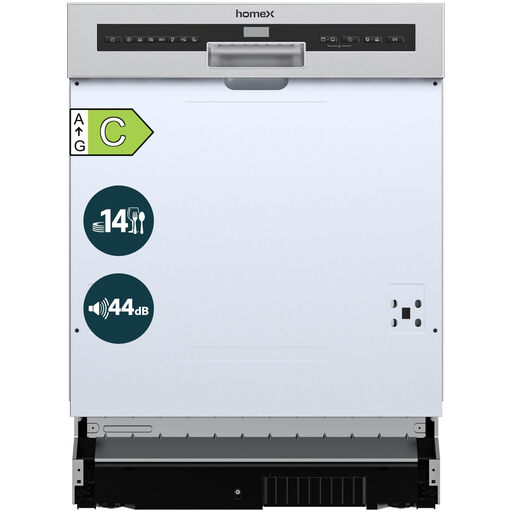
homeX DWSI601444C, semi-integrated, 60 cm, 14 place settings
The cutlery drawer gives you a separate level; the description also lists a Short programme and a 58-minute programme.
Energy class C. Make sure the semi-integrated design suits your kitchen.
View at Joybuy
 No image available
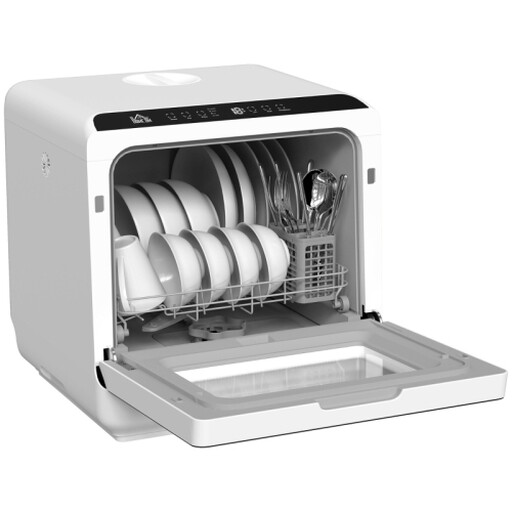
Tabletop dishwasher with a 6-litre tank
Described as a tabletop model with space for 4 place settings, its 29-minute quick programme could be useful for small loads if the programme conditions are right.
The description lists five programmes and a drying function. Check the available space and connections beforehand.
View at Joybuy
 No image available
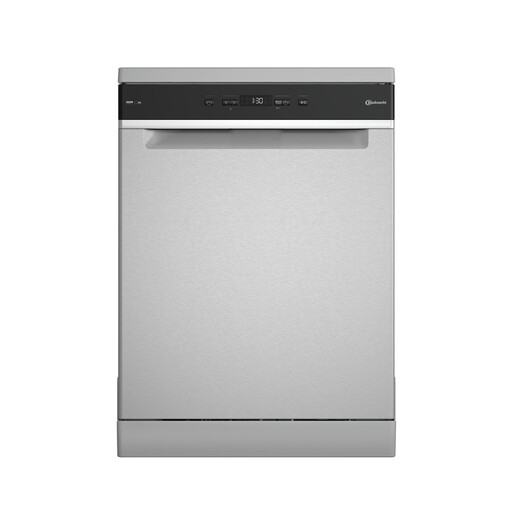
Bauknecht BKSV2FCN3X, freestanding, 60 cm, 14 place settings
For larger loads, it has a cutlery drawer and space for 14 place settings; the description says MultiZone can be used for either the upper or lower basket.
The product details list energy class C, 41 dB and an 85-minute programme.
View at Joybuy
 No image available
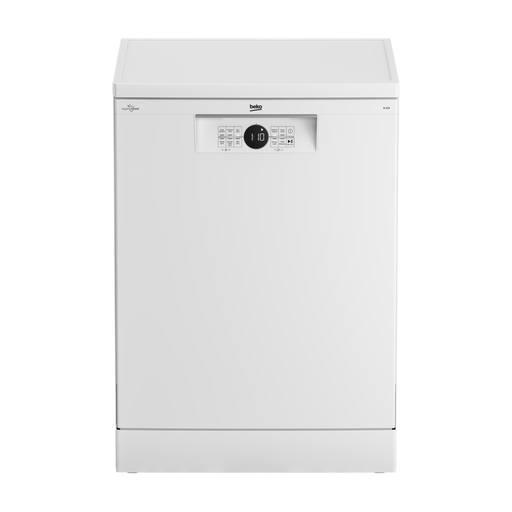
Beko BDFN26430W, freestanding, 60 cm, 14 place settings
You can adjust the sliding cutlery basket to make room for other dishes alongside your cutlery.
Energy class D, 44 dB(A) and 9,9 l of water per Eco cycle. The consumption figure applies to the Eco programme.
View at Joybuy
 No image available
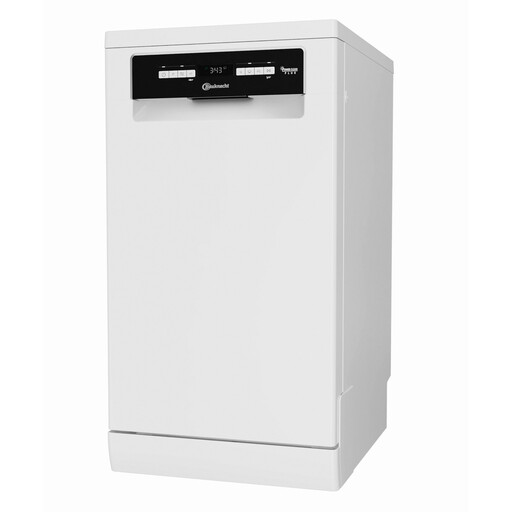
Bauknecht BSFO 3035 PF, freestanding, 45 cm, 10 place settings
The cutlery drawer and MultiZone for a single basket are useful for smaller or mixed loads.
According to the product description, the Express option is designed to shorten the programme; no exact duration is given. Energy class D.
View at Joybuy
Frequently asked questions
Does the glass-and-fork symbol mean cutlery is dishwasher-safe?
No. The symbol indicates that an item is suitable for contact with food. For washing it in a dishwasher, follow the manufacturer’s guidance for the specific cutlery. The Verbraucherzentrale explains the difference.
What should I compare between quick and Eco programmes?
The EU energy label includes figures such as kWh per 100 Eco cycles, litres per Eco cycle and the Eco programme duration. For a quick programme, you’ll need the separate figures for the specific model, as the label figures do not show its consumption. The Verbraucherzentrale lists these comparison figures.
What can I check if my cutlery is still dirty after washing?
Check the appliance manual to see whether the spray arm can rotate freely, the filter is clean, the detergent has dissolved, and the load and programme are suitable. Siemens lists these as possible causes of cleaning problems with its appliances.
Do I need salt or rinse aid?
Set the water softener according to your local water hardness and the instructions for your model. Siemens recommends using special salt with its appliances in hard water and describes rinse aid as helping with drying. This is not a blanket recommendation for every appliance or water hardness.
How do I dispose of an old dishwasher in Germany?
Take the old electrical appliance to an authorised collection point, manufacturer or retailer. Retailers’ take-back obligations apply under certain conditions. Without buying a new appliance, the general retailer obligation applies only to small old appliances, not dishwashers as a rule. The German Federal Ministry for the Environment explains these limits. Check collection arrangements and any additional services before ordering.


