
Lieferung heute & morgen

Qualitätsgarantie

Willkommens-Angebote freischalten: KOSTENLOSE Lieferung | Bis zu 80 % RABATT | Kostenlose 30-Tage-JoyPlus-Testphase
App herunterladen
A dispenser can help keep things tidy and make measuring out liquids easier. But models vary considerably: a soap dispenser for the bathroom needs different features from a drinks dispenser for a party, an oil dispenser for the kitchen or a tape dispenser for your desk.
If you focus only on design or a low price, it’s easy to overlook important details. Here are three common buying mistakes:
Choose a capacity that suits how you’ll use the dispenser. For liquid soap, 250 ml is often enough for a household bathroom. A drinks dispenser for guests, on the other hand, can hold 3.8 to 6 litres. Don’t just check the capacity in litres: consider the space it takes up and its height, too.
A glass drinks dispenser with a tap should be placed on a stable, level surface. Also check that there’s enough room beneath the spout to fit your glasses. For dry foods, storage containers with sliding lids or hinged lids are useful if you want to dispense rice, muesli, flour or pet food in portions.
For kitchen products, check what they’re designed to be used for. A transparent glass dispenser lets you see what’s inside, but that doesn’t automatically mean it’s suitable for hot liquids. The glass drinks dispensers described here are designed for cold or room-temperature drinks and are not dishwasher-safe.
Plastic containers can be lighter and stackable. Look for information such as BPA-free, dishwasher-safe or suitable for use in the freezer. For stainless steel models, check that the specific grade of steel is listed. For example, the Maxcook container is described as being made from 304 stainless steel; the wooden handle should not be left in water for long periods.
A pump dispenser should be easy to operate and shouldn’t continue to drip after use. For an oil dispenser or vinegar dispenser, a controlled pour, a suitable closure and a wide enough opening for refilling are useful features. A dosing pump can be used with 500 or 1,000 ml bottles, as long as the tube and bottle neck are compatible.
For office use, you’ll need to think about different features: a tape dispenser should be stable, have an easy-to-reach cutting edge and be suitable for the tape you use. Check the width and length of the roll before you buy.
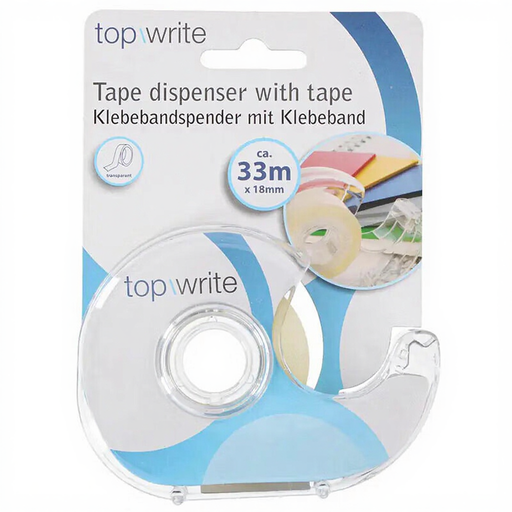
Why it suits this type of buyer: This set is designed for households, school pupils and occasional crafters looking for a tape dispenser with a roll of clear tape included. It’s suitable for paper, envelopes, parcels and craft projects.
The tape roll’s width of 18 mm and length of 33 m are clearly specified. The built-in metal cutter helps you make neat cuts.
One-handed operation and a roll of clear tape included.
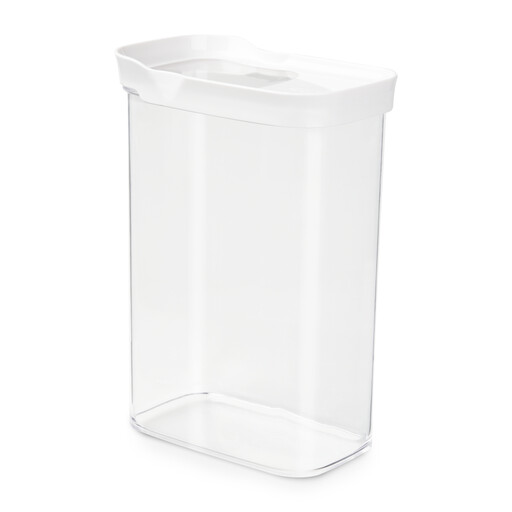
Why it suits this type of buyer: This container is ideal for organised kitchens where you want to store dry foods in a visible, stackable container and dispense them in portions.
The sliding lid lets you dispense contents in a controlled way. The transparent plastic makes it easy to see how much is left, while the lid is said to protect against moisture and pests.
2.2-litre capacity, stackable design and dishwasher-safe material, according to the product description.
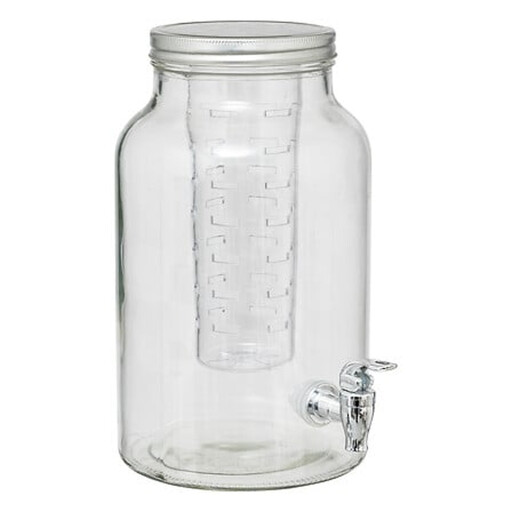
Why it suits this type of buyer: With its large capacity and tap, this drinks dispenser is a practical choice for hosts, families and events. You can serve drinks without having to lift the container.
The 6-litre capacity and dimensions of 17,5 × 17,5 × 31 cm are clearly stated. This model is designed for cold or room-temperature drinks and must be cleaned by hand.
Clear glass, a 6-litre capacity and a dispensing tap.
For the bathroom, compact options include a ceramic soap dispenser weighing 247 g or a 250 ml model from the Cocoon range. If you have delicate surfaces, look for a stable base and an easy-to-wipe exterior.
For the kitchen, you can also choose a 100 ml oil and vinegar spray dispenser, a 1,000 ml stainless steel oil dispenser or a 5-litre storage container with a hinged lid. The key things to consider are pouring accuracy, the refill opening, the seal and the cleaning instructions.
We’ve put together a complete, regularly updated list of products that meet these strict selection criteria and fully comply with the safety regulations in force in the EU.
Its lifespan depends on the material, how often it’s used and how well it’s cared for. Pumps, taps and seals are parts that can wear out. Clean liquid dispensers regularly, and don’t expose glass containers to sudden changes in temperature.
Manual models don’t usually have any ongoing energy costs. You’ll only need to budget for consumables such as soap, oil, vinegar, drinks or tape. Choosing a capacity that suits your needs can reduce how often you need to refill it.
That depends on its design and how it’s cleaned. A closed container can help protect its contents from dust, but it still needs regular cleaning. Follow the manufacturer’s care instructions, paying particular attention to the pump head, tap, lid seal and spout.